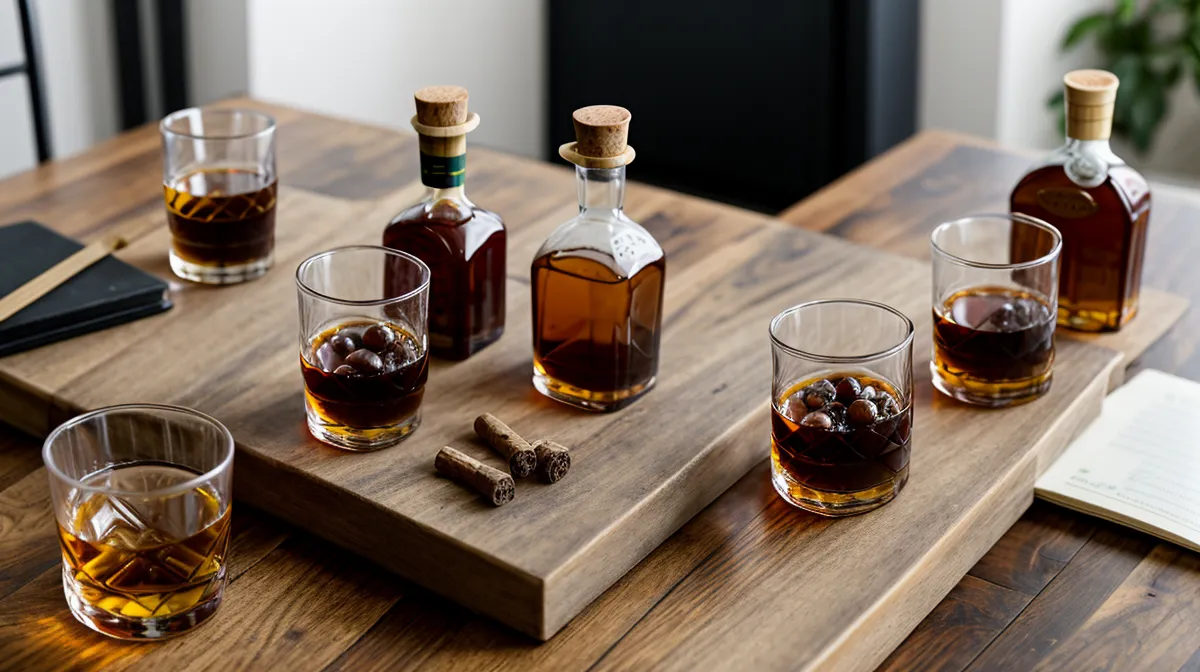
Fourteen bottles live on the shelf over the kitchen pass-through now. It started with three. Somewhere around bottle eight, neighbors stopped just admiring the lineup through the window and started asking to sit down and taste through it properly, which puts hosting a casual bourbon tasting for neighbors into two real options: pull everyone into the kitchen, or walk the group down to the bar strip off East Market in NuLu and let someone else do the pouring. Both work. They don’t work the same way, and depending on the crowd, the home version wins more often than people expect.
Home Kitchen or the NuLu Bar Strip?
On a fall Saturday when bourbon trail traffic backs the NuLu strip up past the crosswalk, getting a table anywhere near East Market takes longer than the actual tasting would at home. That’s the practical case for the kitchen: no wait, no tab creeping up round after round, and a pouring surface — the laminate counter next to the fridge — that doesn’t flinch at a spill the way a bar top with a coaster policy might. The bar strip earns its keep somewhere else, though. It’s already stocked with things I don’t own, so a neighbor chasing something rare or allocated has better odds standing at a bar than staring at my shelf, and nobody has to wash a single glass afterward.
What Plastic Cups Get Right at the Home Bar
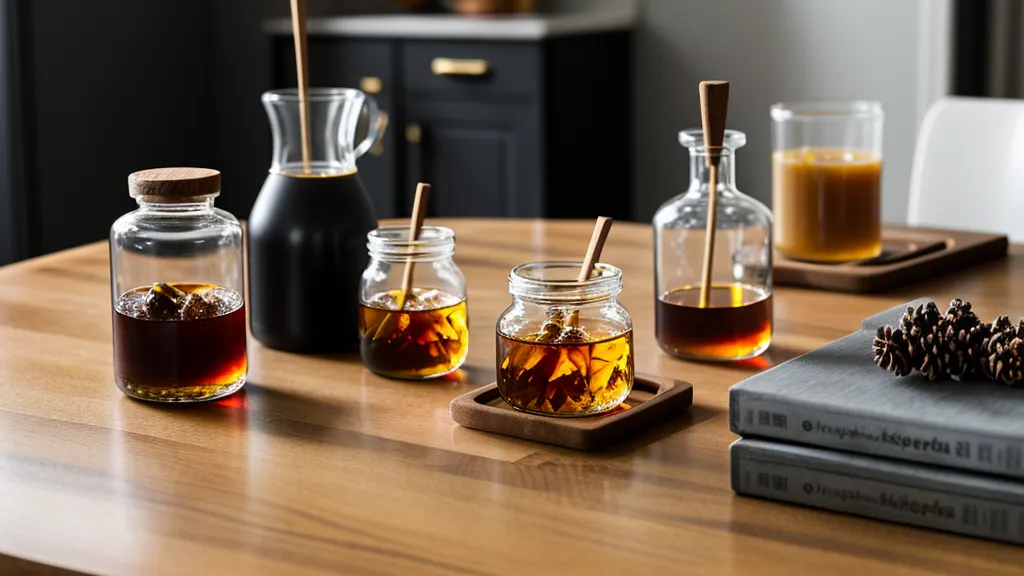
Glassware is where I lose the purists. A sleeve of identical plastic tumblers costs about what one round runs at a bar, and it does something a bar can’t: nobody’s judging the pour by the weight of the glass or a brand etched into the side, so the spirit has to do the talking. It also means nobody’s white-knuckling a coaster all night worrying about a twenty-dollar glass going over on the patio.
Not every bottle earns its spot this way. A wine picked up because the shelf tag at the store called it approachable sat there untouched after one Tuesday pour — nobody went back for a second glass, and it went home with somebody else before the next gathering. That’s roughly where my re-gift threshold sits: if a bottle doesn’t get poured twice in one night, it’s not staying on the counter.
Ordering the Flight So Nobody’s Palate Gives Out
Four mid-shelf pours work well for a group this size — I don’t reach for anything rare or allocated on a casual night like this — built to show range across what actually counts as Bourbon whiskey without turning the evening into a lecture. The order matters more than the selection. Start with the wheated bottle, softer and rounder, easy on a palate that hasn’t had anything yet. Move into the high-rye pour next, which brings enough spice to numb things if it goes first — and that bottle still isn’t the same animal as an actual rye whiskey, which is a different conversation entirely. The bottled-in-bond pour goes third, not last, because it’s the one most likely to shut a nose down early, and putting it mid-flight leaves a fourth pour to reset on.
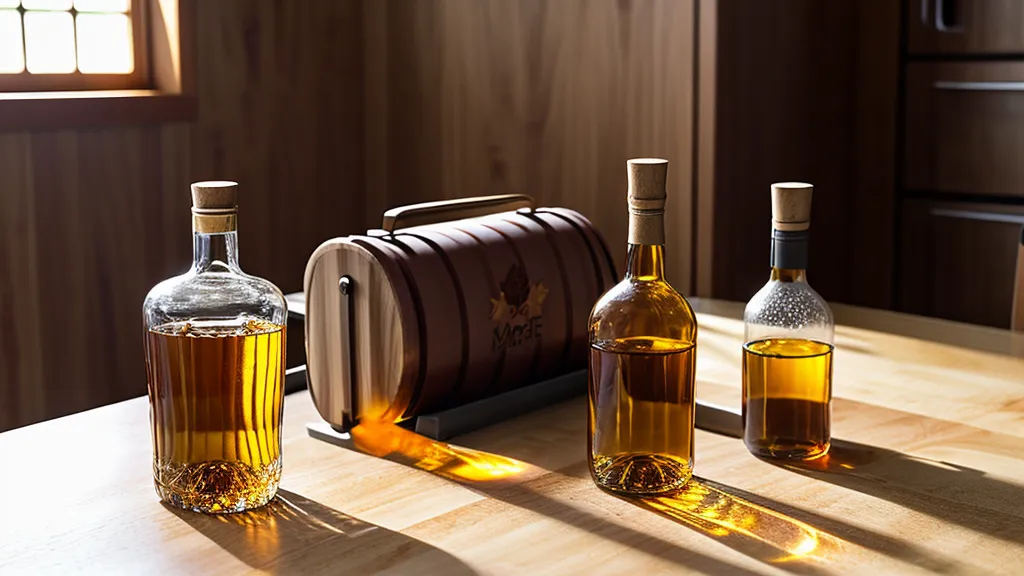
That fourth pour is usually the non-alcoholic bottle, and it doesn’t get slotted in as an afterthought at the end — it sits in reach the whole night so whoever isn’t drinking isn’t waiting for some designated moment to be handed a cup. For neighbors who skip the pour entirely, finding a non alcoholic beer that tastes like real beer after work does the same job as a good non-alcoholic bourbon analog — it keeps someone in the conversation without singling them out. I rotate which bottle shows up so it’s not the same one every time, and there’s a flat, sealed-can smell right as the tab cracks that usually gets a laugh before anyone’s tasted a drop. Sybil usually ends up in the wheated lane before anything else — she leans toward lighter, easier pours in wine and bourbon both, so I pour hers first and let her decide from there whether she wants the spice.
I’ve tried some of the best wine tasting kits for beginners too, and while they’re organized, a backyard flight doesn’t need that much structure — a few drops of water to open the glass and release an ester or two does most of the work those kits are selling, and I mostly just notice the difference in the nose, not the mechanism behind it.
How Much Is Actually in the Glass
Pour size matters more than people think once four bottles are open on a counter. A standard drink, per the National Institute on Alcohol Abuse and Alcoholism, comes out to 14 grams of pure alcohol — about 1.5 ounces of an 80-proof spirit, or 5 ounces of 12 percent wine if somebody’s mixing in Noreen’s side of the shelf. Measuring the bourbon pours against that instead of eyeballing a generous splash keeps four tastings from turning into two drinks by the second bottle, and it’s a number worth keeping in your head if you’re hosting rather than just pouring on instinct.
Where the Two Approaches Actually Split
Sourcing the lineup ahead of time is its own decision, separate from where you host. Ordering a bottle for the shelf runs into state shipping restrictions fast — what a retailer can legally send to a Kentucky address isn’t what shows up on a site built for somebody in Ohio, and that’s worth checking before planning a flight around a bottle that might not arrive in time.
So the split comes down to who’s showing up and why. Host at home when the group already knows each other, when you want control over the pour size and the order, and when half the fun is watching someone talk themselves into liking a spice bomb they swore they’d hate. Take the group to the bar strip off East Market when it’s a one-off with people you don’t know well, when someone’s chasing an allocated bottle your shelf will never have, or when a fall Saturday’s bourbon trail crowd means you’d rather let somebody else handle the pours and the cleanup. Neither one is the better host — they’re just built for different nights, and it’s your call which one fits the group standing in your kitchen or on your porch right now.
A wine-leaning neighbor will occasionally ask about the bourbon-to-wine crossover, which is a real rabbit hole and not one I’m solving in a single paragraph. Building a flight around tannin structure is a different puzzle than ordering bourbon by proof, and decoding a wine label runs by its own rules, ones that have nothing to do with squinting at a distillery code on a bourbon bottle. I only worked out why you should decant wine before serving to your guests after skipping the step more than once and wondering why a bottle tasted tighter than it should have — a lesson bourbon never had to teach me, since nobody’s decanting a pour that’s already sitting in a plastic cup.
Three days after that Tuesday pour, Noreen texted asking what the wine had been called again — she could describe exactly how it tasted, the way she always can, she just never writes anything down. That’s the real test of whether a night worked, home or bar strip: not whether anyone remembers the name, but whether they remember reaching for the glass again.