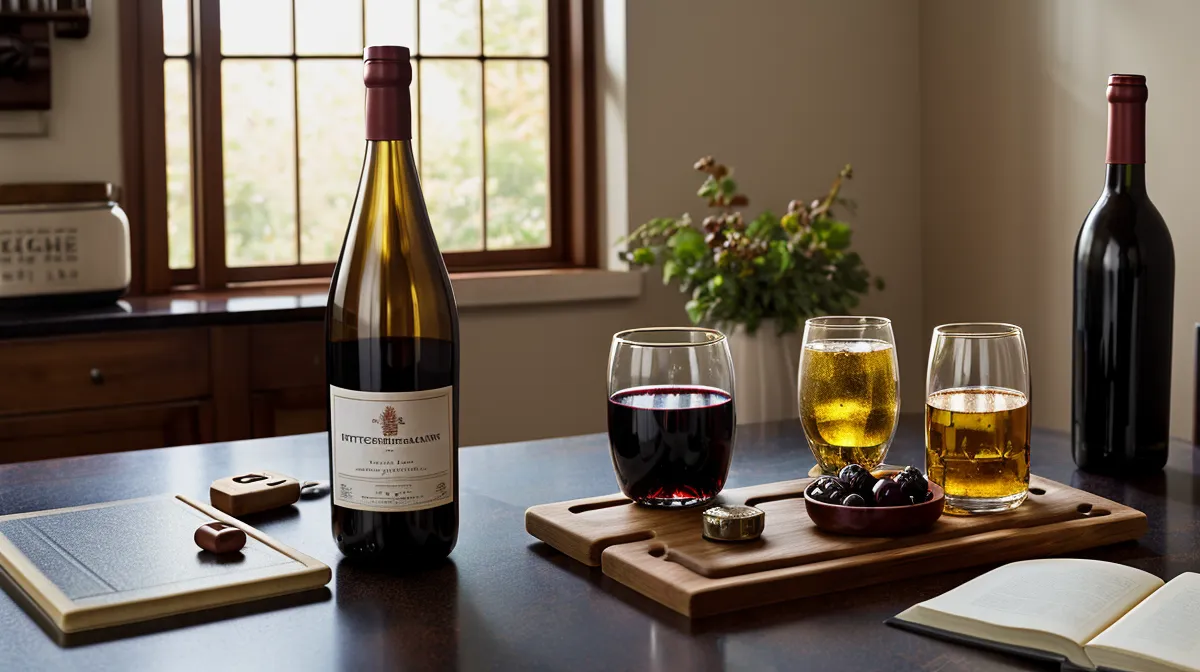
Standing in the kitchen on a cold Tuesday evening last mid-November, I found myself staring at the shelf over my kitchen pass-through. It started back in 2018 with just a couple of bottles, but it has since spread like a slow-moving ivy across the whole maple plank. Usually, my hand goes straight for a heavy glass bottle of bourbon, something with that familiar Kentucky warmth. But that night, I realized I wanted something different—I just didn't want to commit to a whole 750ml bottle of an unknown wine that might end up as expensive vinegar in my fridge.
Heads up before we get into the weeds: a few of the bourbon retailers, wine tasting calendars, and non-alcoholic brands I mention below send me a commission if you order through my links. Your price stays exactly the same. This shelf of mine came together over eight years of regular-person spending, and I only keep the bottles that earn their spot. If something didn't survive a Tuesday tasting with the neighbors, I’ll tell you straight. I’m a logistics manager, not a doctor or a sommelier, so drink reasonably and check your state’s shipping laws before you hit buy. Always talk to a professional if you’re looking for health advice; I’m just here to talk about what’s in the glass.
The Transition from Mash Bills to Vineyards
For twenty years, I’ve had the mental bandwidth to memorize Kentucky mash bills—knowing exactly how much corn, rye, and malted barley makes a bottle sing. But lately, my wife’s book club has been leaving behind bottles of wine I’ve never heard of. I started wondering if I really had the space in my head to learn about French soil types and high-altitude irrigation after all that time focusing on the rickhouse. It felt like starting a new job in a different industry where everyone speaks a slightly different dialect.
The problem with wine, for a guy like me, is the commitment. With bourbon, I know that even if a bottle is a bit of a 'miss,' it’ll sit on the shelf just fine for a year. Wine feels like a ticking clock. I once made the mistake of buying a full case of what I thought was a 'crowd-pleaser' for a book club night, only to realize it was far too sweet for my neighbors' palates. It sat in the pantry until I eventually used it for a beef stew that tasted vaguely like grape jam. That was a tank of gas worth of money down the drain.
The 24-Bottle Experiment
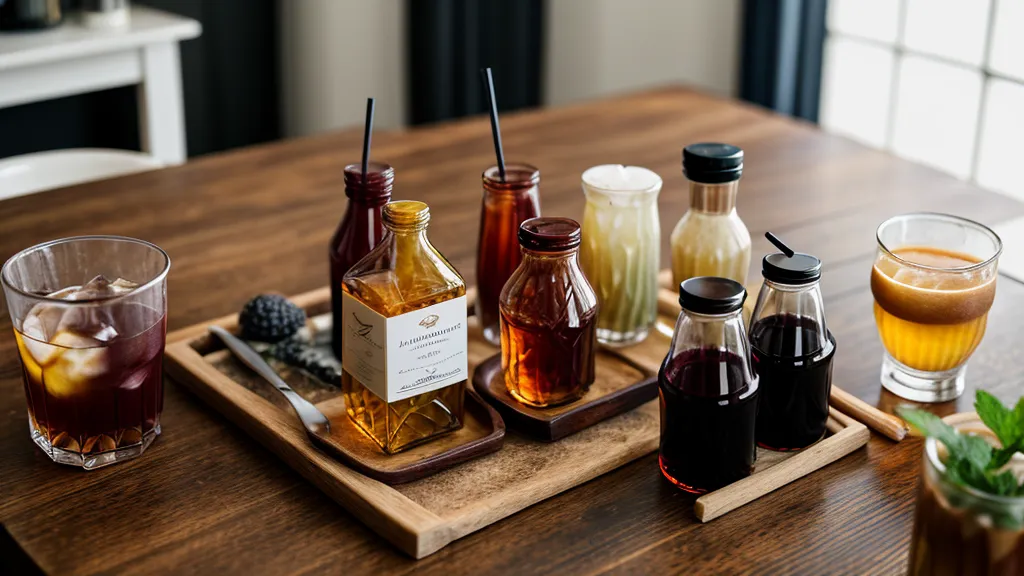
The week before Christmas, I decided to lower the stakes. I picked up a tasting calendar from In Good Taste Wines. It’s an advent-style box that holds 24 individual bottles. The math actually makes sense for a beginner: each bottle is a standard mini wine bottle volume of 187ml, which is just enough for a healthy glass for me and a sip for my wife. It’s a lot less intimidating than cracking open a standard 750ml bottle when you aren't sure if you even like Malbec yet.
I noticed something immediately during those December pours. There is a specific sensory moment when you open these—the sound of the tiny screw cap on a 187ml bottle clicking open sounds like a toy compared to the heavy, satisfying thud of a bourbon cork. It felt like I was playing at a tasting rather than 'doing' one. But the wine inside was real. I spent those weeks comparing what I tasted to the discovery sets I’d read about, trying to find that bridge between the charred oak I love in bourbon and the structure of a good red.
One thing I learned is that tannins in wine—those compounds that give you a drying sensation in your mouth—remind me a bit of the finish on a high-proof bourbon that’s been sitting in a new, charred oak footer-f146ee for a decade. Federal standards are strict about that new oak for bourbon, and while wine barrels can be used over and over, that 'oakiness' is the common language I used to find my footing. By the time I hit the halfway point in the 24-bottle count, I wasn't just guessing anymore.
A Pivot on a Snowy Tuesday
By a snowy Tuesday in February, the neighborhood tasting group was back in the garage. One of my buddies had been talking about cutting back—his doctor gave him the 'look' during a physical—and he wasn't the only one. My neighbor from two doors down was also pregnant and missing the ritual of having a glass in her hand while we all argued about the Ohio River fog or the latest logistics snarl at the airport.
This is where the standard tasting advice usually fails. Most people tell you to just drink sparkling water, but for someone used to complex flavors, that’s boring. My pregnant neighbor still wanted that sensory engagement—the aromatics and the texture—without the alcohol. I’m no health professional, so I won't tell you what's 'safe,' but I will say that finding a complex non-alcoholic option made her feel like part of the group again. We cracked open some Sober Carpenter, specifically the Blonde Ale. It has this specific clean, crisp feeling after a long day of spreadsheets, providing a refreshment that doesn't come with the immediate heavy warmth of a 100-proof bourbon pour.
I was surprised that it held its own against the craft beers the other guys brought. It wasn't just 'juice cosplay.' It actually tasted like someone cared about the brewing process. If you’re curious about how it stacks up, I wrote more about swapping my Tuesday bourbon for Sober Carpenter a while back. It’s become a permanent fixture on the lower shelf.
The Rare Finds and the Everyday Pours
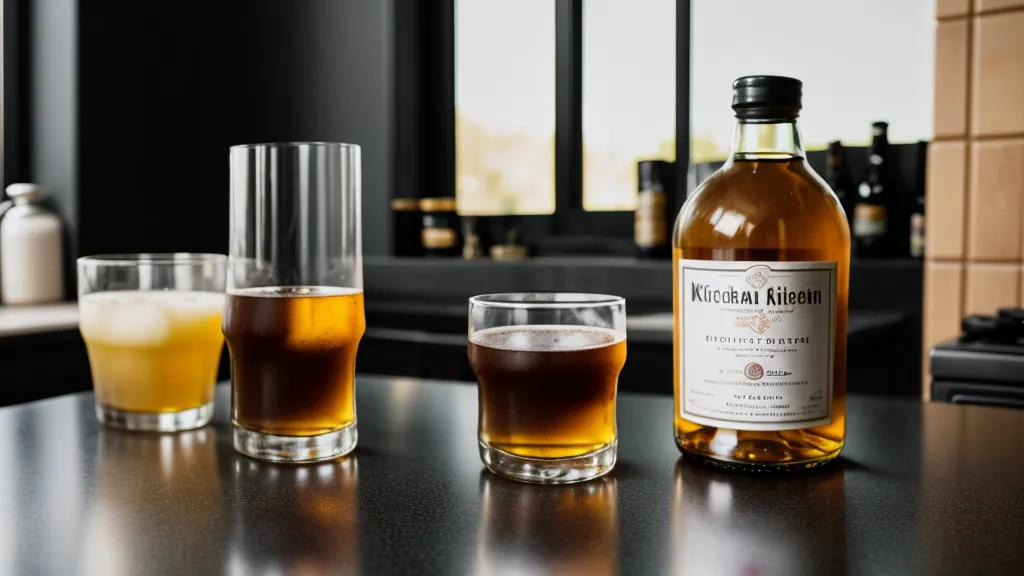
By early April, the shelf had reached a sort of equilibrium. I still use the Bourbon Concierge when I want to find those bottles that just don't show up in Louisville liquor stores—the kind of rare allocations that cost about an anniversary-dinner-for-two worth of money. There’s something to be said for the 'Angel's Share'—that portion of bourbon lost to evaporation in a 53-gallon barrel—that makes those rare bottles feel special. But for the everyday, the kitchen pass-through now holds a mix.
I’ve realized that the 'discovery tool' approach beats the 'guess and check' method every time. Whether it’s a tiny bottle of Syrah or a crisp NA beer, I’d rather try twenty-four small things than be stuck with one big mistake. I even kept a couple of custom-labeled bottles from Mano’s Wine that we got for a friend's retirement; the wine was a solid 'mid-shelf' experience, but the etched glass looks better than any trophy on the shelf.
If you're stuck in a rut with your own collection, I'd suggest looking at something like the In Good Taste calendar. It’s about a steakhouse appetizer worth of an investment to basically get a semester's worth of wine education without the hangover or the wasted 750ml bottles. It helped me realize I don't need to be a sommelier to know what I like; I just need to pay attention to which bottles my neighbors actually finish.
At the end of the day, my shelf is a map of where I’ve been—from the heavy hitters found via the Bourbon Concierge to the quiet Tuesday nights with an NA Blonde Ale. It’s not about being an expert; it’s about making sure that whatever you’re pouring is worth the space it takes up in your kitchen. Your call on where you start, but I’d start small.