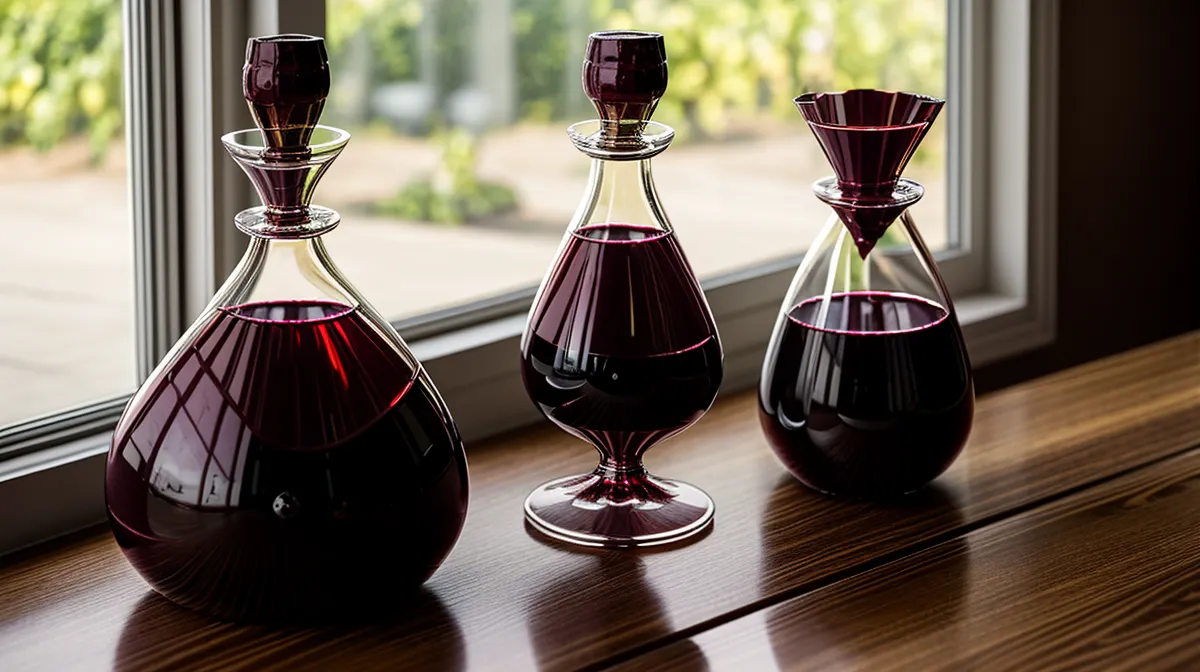
Five people got through an entire bottle of red before anyone reached for a second pour at the last tasting on my counter — first round, gone, and it wasn't even the priciest wine in the lineup. Noreen from two doors down had come straight from a walk along the lawn at Waterfront Park and barely gotten her shoes off before she noticed the gap between that bottle and the flat, closed-up pour I'd served the same group the week before. That's the one wine-hosting tip that actually holds up every time: same bottle, same price range, a completely different reaction depending on whether it got air before it hit the glass.
A few of the bourbon retailers, wine calendars, and gift-basket sites that come up below send me a small commission if you order through my links, at no extra cost to you. The shelf over my kitchen pass-through didn't get built by chasing free bottles — I buy what I drink, and if something didn't survive a Tuesday tasting, you'll hear about that too. Drink reasonably, double check your own state's shipping rules before you order anything with alcohol in it, and talk to an actual doctor before making any health decision based on something you read from a guy with a wine rack.
What Decanting Actually Does When You're Hosting
Bourbon doesn't work this way, and that contrast is the whole point. Crack the seal on a good bottle and it's basically ready — maybe a splash of water or five minutes in a Glencairn to open up a high-proof pour. Wine, especially anything young and bold, comes out of the bottle tight and a little sullen, like it's been asleep in a sealed, air-free space for years and resents being woken up. Nobody ever explained to me what tannin is supposed to taste like in any official sense, but I know the feeling: that dry, fuzzy grip on the back of your tongue that makes a big red feel like it's arguing with you. Decanting just gives the wine somewhere wide and open to sit so the air can soften that edge and let the actual fruit and earth come through instead of just the fight.
Which reds actually make sense to someone who started on bourbon is a longer list than I expected, and I'll leave that argument for another time. What matters here is simpler: pour a young, tannic red straight from the bottle and you're tasting it at its most defensive. Give it room and time, and the same liquid turns into something almost unrelated — looser, rounder, more like fruit than like a wet stone. That's the whole mechanism, and it's the reason this is one of the few habits from my shelf I don't skip anymore.
The Tuesday Regulars Have Opinions Now
Noreen isn't the only one with opinions about this now. My Tuesday group has stretched past bourbon over the past year, and one of the regulars keeps a case of Sober Carpenter in the rotation since he started cutting back — how he decides which can stays in the fridge from week to week has turned into a whole system I won't unpack here, but the short version is decanting doesn't care whether the glass next to yours has alcohol in it. Even the guys who only trust brown water notice when a red has had an hour to breathe versus when it's poured straight from the cork.
Not every bottle earns the wait, though, and that's really the judgment call at the center of all this. A coworker's Wine Country Gift Baskets malbec showed up as a thank-you after a project wrapped, and it lasted exactly one Tuesday — it went into the pitcher for an hour along with everything else, came out no better than it went in, and nobody asked for a second glass. That's useful information, not a failure: a wine that's thin or already soft doesn't have the structure to reward the wait, and there's a point where a bottle is better off re-gifted than decanted again, a call I've walked through in more detail elsewhere. The bourbon side of my shelf has the same problem in reverse — I grabbed a bottle a listicle swore was unmissable, and it turned out too sweet to sip neat. No amount of patience was going to fix that one either.
Testing This Without Wasting a Whole Bottle
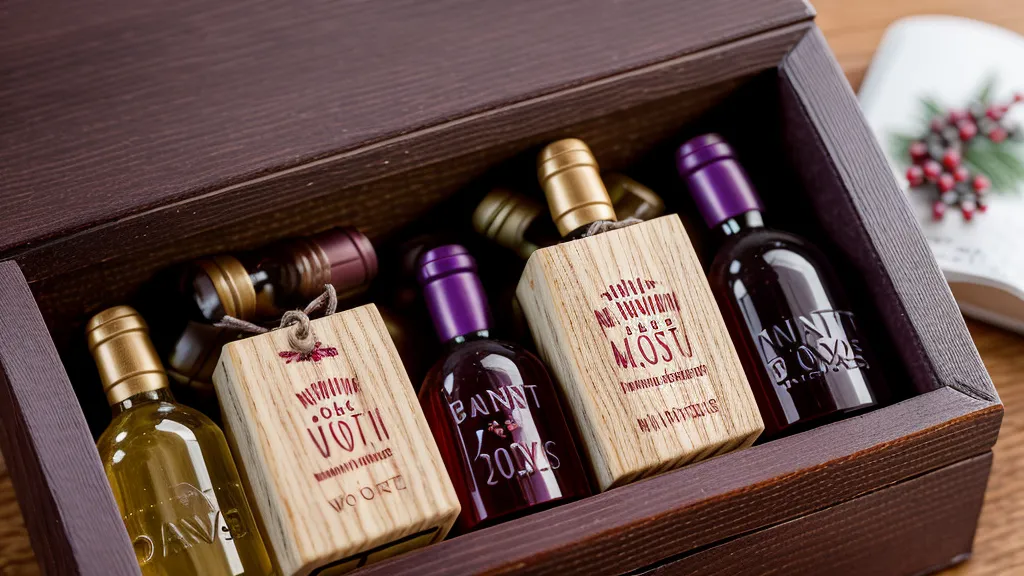
In Good Taste Wines' tasting calendar turned out to be a decent way to test this without opening a full bottle every time. Their mini bottles run about a glass each, so pouring one straight and letting the other sit in a small jar for an hour makes the comparison obvious inside of ten minutes. Side by side, the difference stops being subtle — one glass tastes like bitter purple juice and the other tastes like something you'd order at a steakhouse. Reading the label first can help you guess which mini bottle is worth the wait before you even pour, though picking apart what a label actually tells you is a skill I'm still working on myself.
Do You Need an Actual Decanter?
Search for a decanter online and you'll find these enormous glass swans that look like they belong in a museum gift shop. They're striking, sure, but they're a liability in a kitchen where people gesture with their hands mid-story. Noreen's take on this is blunt: she cares which glass you're drinking out of a lot more than she cares what you decanted it in, and she's not wrong.
A plain glass pitcher or a wide-mouthed jar does the same job — surface area is the whole point, not the shape of the container. If the bottle needs to stay on the table for appearances, decant into the pitcher an hour ahead, then funnel it back into the original bottle before anyone arrives. You get the aeration without explaining why there's a swan-necked vessel on the counter. I've folded this into my practical ideas for how to organize a home bar for beginners, since one pitcher takes up a lot less space than a museum piece.
A Bottle Worth Two Hours of Waiting
The clearest case for all of this came from a bottle I picked up through Bourbon Concierge, which most people know for allocated bourbon but which also carries a wine selection worth asking about. Getting your hands on genuinely hard-to-find bottles is a different rabbit hole, and allocation access works about the same for wine as it does for bourbon. This particular red cost about a tank of gas — noticeable, not an argument-with-my-wife kind of number — and I gave it two full hours before Noreen knocked on the door.
By the time we sat down, the wine had opened up completely — fuller, rounder, nothing like the tight, closed pour it would've been straight from the cork. A wine that's still fighting you gets one polite sip and then sits in the glass for the rest of the night; a wine that's had its two hours gets finished, and people reach for more without thinking about it. We ended up deep in comparing bourbon and red wine pairings for a backyard steak dinner instead of talking about the wine itself, which is the actual goal of decanting — it should disappear into the evening, not become the topic.
Decant It, Skip It, or Re-Gift It
So here's the actual call, not the theory: decant a young, tannic red you're serving within the hour — anything bold enough to make your tongue feel like it's wearing a wool sweater is a candidate, and an hour to two hours of air will change the whole evening. Skip it for anything already soft, older, or delicate — a light pinot or an aged bottle doesn't need the fight, and giving it two hours in a pitcher can flatten it instead of helping. And if a bottle still tastes thin or off after an hour of air, that's not a decanting problem — that's a bottle to hand off to whoever won't mind, the same way I'd pass along an allocation I didn't love instead of forcing it onto the Tuesday table.
Sybil three blocks over texts me before most of her dinner parties asking whether a bottle is safe to serve as-is or needs help first, and the honest answer depends more on the wine's age and grape than on what it cost. The order you pour bottles in during a group tasting shapes how any of this lands too, though that's a separate question from whether one glass needed air in the first place. None of this requires a specialty tool or a subscription — it requires a pitcher, a spare hour, and the willingness to admit a bottle just isn't going to get better no matter how long you wait on it.
If red wine still isn't winning over everyone at your table, my notes on best bourbon gift sets for men who already have everything cover the other side of that shelf. Either way, give the bottle its hour first.