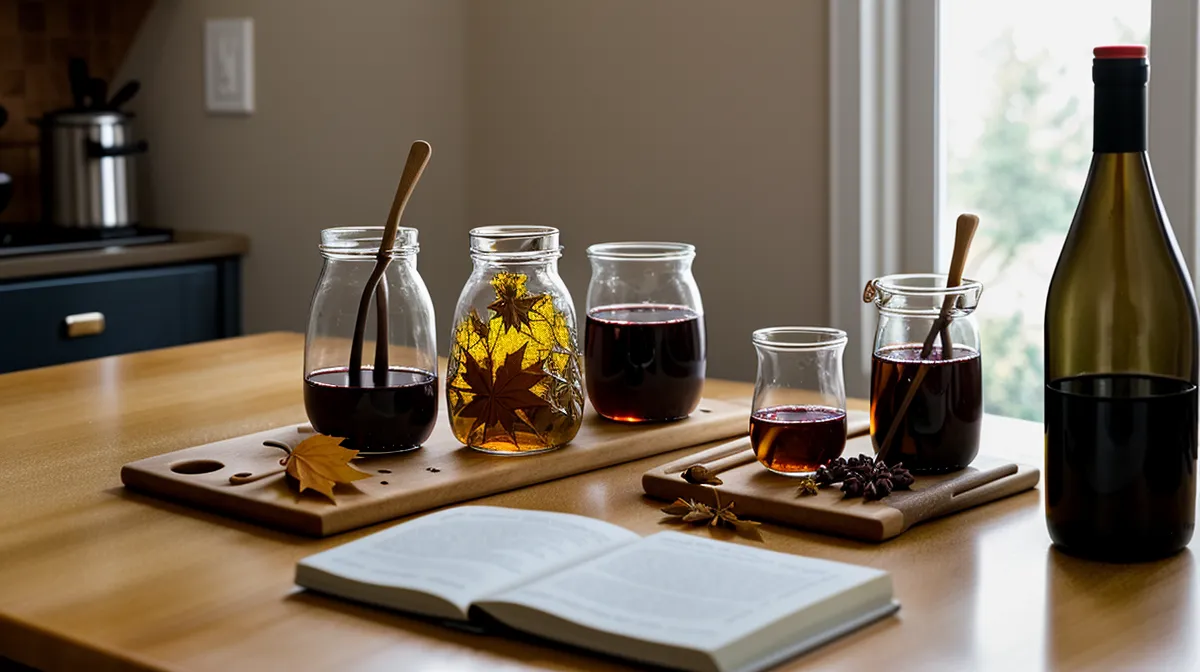
The same bottle of Eagle Rare can sit at the suggested price three states over while a shop a few minutes from Paristown Pointe wants steakhouse-appetizer money for it, sometimes more. I don't have a tidy answer for that one. What I do have, after a year spent buying bourbon online instead of arguing with a shelf tag in person, is a logistics guy's map of where the markup actually comes from and how to route around most of it.
Living close to the trail was supposed to be an advantage. It mostly isn't, at least not for buying — shops here seem to price allocated bottles assuming you'll pay whatever's on the sticker just because you're local and everyone knows you're looking. My day job has me moving freight from one point to another without wasting steps, and it bugged me that I could track a pallet from a port to a warehouse three states away but couldn't figure out why a bottle of bourbon sitting on a shelf in Ohio was somehow harder to locate than a shipping container.
The Allocation Game Nobody Explains
Allocation just means a distillery decides how many cases go to which state and which store, and it has almost nothing to do with how badly people in that town want the bottle. A shop in a small town that mostly sells vodka and domestic beer might still get a case of something that would start a fight in a Louisville parking lot, and because their regulars aren't asking for it, it sits there at MSRP instead of whatever number a Louisville shop thinks it can get away with. That's the whole trick behind buying hard to find bourbon online — you're not beating anyone to the bottle, you're just looking somewhere the demand hasn't caught up yet. Concierge and membership platforms exist mostly to do that searching for you, aggregating inventory from stores that don't have the marketing budget to show up on the first page of a search. I spent a few weeks testing a handful of them before I trusted any of it, mostly by ordering small and seeing what actually showed up versus what got canceled after the fact.
State shipping rules complicate all of this more than I expected, and I'm not going to pretend I've got every state's permit and tax quirks memorized — check your own state before you get attached to a listing, because that part changes without much warning.

Hunting Rural Online Retailers Instead of the Big Ones
Skip the sites throwing money at search ads. Those are the same markups you'd find walking into a Louisville shop, just with a shopping cart icon attached. The better move is hunting down the small liquor stores that finally put their inventory online over the last few years but never bothered chasing search rankings for it. These are the shops getting allocation through the ordinary three-tier system like everyone else, just in towns where nobody's fighting over the case.
Gareth Kinlaw, a work acquaintance who turned into a regular at our Tuesday tastings, was the one who first mentioned trying this instead of driving to three counties chasing rumors. He shows up most weeks with a backup bottle tucked under his arm in case the main pick falls flat, and that instinct — always have a second option ready — turned out to translate pretty well to online hunting too. Never assume the first listing you find is the only shot.
Five weeks into checking these lists most mornings before work, a box showed up that actually made me stop what I was doing. Nothing rare about the bottle itself, honestly, but I was still thinking about the finish on the drive home from picking up my nephew that evening, replaying it instead of the radio. That's usually the sign a bottle is staying on the shelf instead of getting traded off or handed to a neighbor who won't notice the difference.
Is the Shipping Cost Actually Worth It?
Usually, yes. Shipping tends to run about a steakhouse appetizer's worth of money per order, which still beats the local markup on a single rare bottle by a wide margin. It hasn't been flawless — I had one box get flagged and rerouted last winter because the delivery route ran through a dry county and the manifest tripped some rule nobody warned me about, which turned a simple delivery into a week of tracking-number refreshing. Timing matters too. Prices and availability shift around seasonal releases, and hunting right before the holidays or just after a big fall release tends to turn up better listings than hunting during the rush itself.
Not every find online is worth keeping, and that's worth saying plainly. Early on I joined a wine club on a whim, mostly curious after my wife's book club kept passing around bottles I didn't recognize. Three bottles showed up before I remembered to cancel, and I never got through all of them — one sat on the counter long enough that it stopped feeling like a treat and started feeling like a chore I owed somebody. I canceled after that and went back to buying what I actually intended to drink, which sounds obvious written down but wasn't obvious at the time. There's a specific point where a bottle crosses over from something worth finishing to something better handed to a neighbor who won't notice the difference, and I've gotten faster at recognizing exactly where that line sits, usually around the second pour, not the first.
The Rotation Keeps Changing
None of this hunting matters much if the shelf itself doesn't earn its keep. Fenton Burley, who's been part of the Tuesday group for a few years now, never made an announcement about cutting back — he just started asking, pretty casually, whether I had anything non-alcoholic on hand. That's what got a Low Calorie Non Alcoholic IPA into the regular lineup next to the heavy hitters, and rotating it in alongside the bourbon turned out to matter more for keeping the group together than any rare bottle ever has.
Mid-shelf bottles get more of the actual pours around here than anything I'd call a trophy, which took longer to sink in than it should have — the rarest bottle in the house isn't always the one getting reached for on a random Tuesday. Somebody usually asks whether bourbon and rye are the same thing, and the short version is no, they're made differently enough that it's its own conversation, not a footnote here. I've also gotten asked more than once whether a bottle needs to be decanted before pouring, and my honest answer depends less on the bottle and more on whether I remembered to set a glass out in time.
Wine crept into the rotation the same way the bourbon did, slowly and mostly by accident, and I've noticed a fair number of bourbon drinkers end up curious about red wine once they've spent enough evenings comparing what grips the back of the tongue versus what just goes down easy — I still don't have the vocabulary for tannin the way a wine person would explain it, only what a particular glass reminded me of that night. Reading a label well enough to know what you're actually buying is a skill of its own too, one I'm still better at with a whiskey shelf than a wine rack, and I host a casual bourbon tasting for neighbors often enough that the order bottles get poured in has started to matter as much as which bottles make the cut.
My kitchen pass-through holds bottles now that I didn't have to grovel for, and the lesson that stuck with me isn't about any specific bottle — it's that patience beats proximity. Being close to the trail never got me a better price; checking rural inventory lists on an ordinary weekday morning did. Keep an eye on your own state's shipping rules before you order anything, and don't be afraid to let a bad find go instead of finishing it out of guilt. Your call on how far to take it, but that's the version that's worked for me.