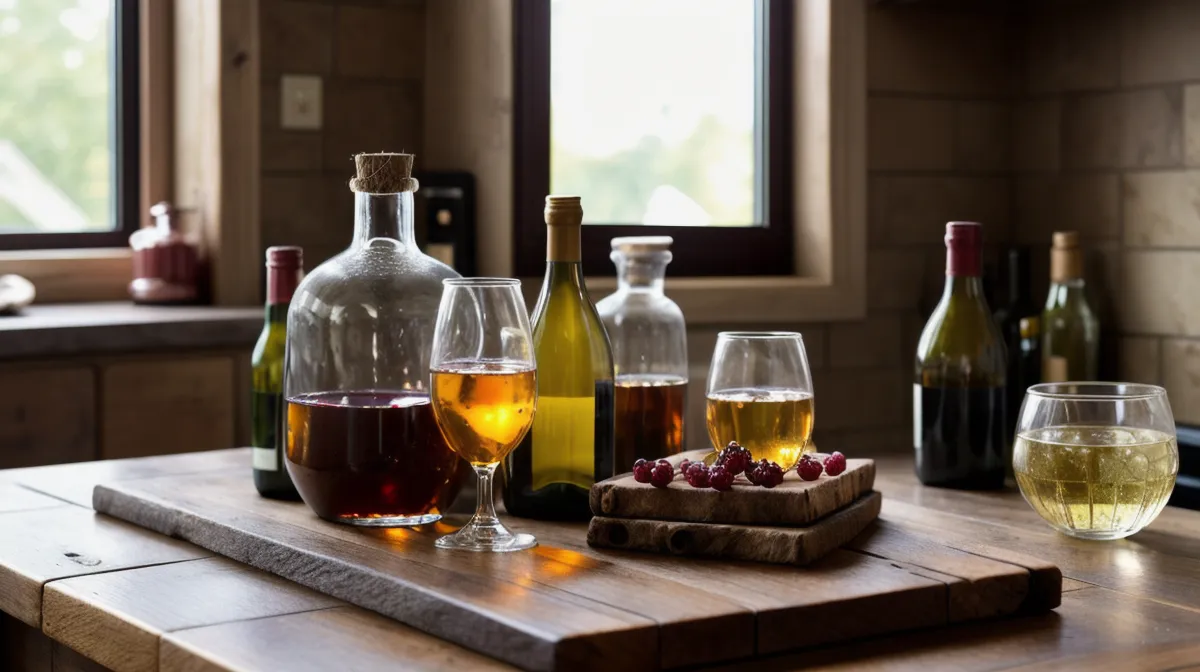
Twenty-four miniature bottles came in one cardboard flat, and working through half of them taught me more about tannin than a full case of any single red ever has. Eight years into keeping a bourbon shelf at home, I was still more comfortable talking proof and mash bill than anything with a cork, until my wife's book club started leaving bottles behind that tasted like nothing I'd had before — dry in a way that reminded me more of a heavy bourbon pour than of grape juice. Beginners who gravitate toward dry reds usually land in that same spot: dry doesn't mean flavorless, and the pucker on your gums isn't a flaw.
Before you get further into this: a few of the shops and calendars named below toss me a small commission if you buy after clicking through, at no extra cost to you. This shelf came together the regular way, a paycheck at a time, and I only keep what earns its spot — if a bottle didn't survive a Tuesday, I'll say so. None of this is medical guidance, so drink within reason and check your own state's shipping rules before ordering anything.
The Grip Tannin Leaves Behind
Dry, it turns out, has nothing to do with flavor and everything to do with sugar. Yeast eats it during fermentation, and what's left over is dry wine. That part's simple enough for a logistics brain like mine. What actually grabs your attention is tannin, the polyphenol compound sitting in grape skins, seeds, and stems that leaves your gums feeling chalky after a sip. Chew on a grape skin sometime, or let a tea bag steep too long, and you already know the feeling. Oak barrels add their own layer of it too, which is part of why a heavy bourbon pour and a young Cabernet can feel like cousins even though nothing about them tastes the same.
I keep an eye on rare allocation drops through Bourbon Concierge for bottles a Louisville liquor store just doesn't carry, and getting on that kind of list is its own hassle, worth a separate conversation entirely. None of that changes what I reach for most weeks, though — the interesting pours rarely sit at the top of the price ladder, in bourbon or in wine, and that's held up every time I've gone looking for something new.
Full Bottle or Tasting Calendar First?
Buying a full 750ml bottle of something you've never tried is a real commitment, and I've been burned by it before. A gift-basket Malbec from a coworker sat open for exactly one Tuesday before everyone quietly stopped pouring it — it drank like liquid velvet, and that turned out not to be my thing at all, even though nothing was wrong with the bottle itself. The other way in is smaller pours: Nebbiolo is one of the big-structure grapes worth sampling this way before you commit to a full bottle, right alongside Cabernet Sauvignon and Tannat. I ended up going with a calendar from In Good Taste Wines — two dozen bottles in one box is basically a tasting party in a box, and it let me sort out what I actually liked without another Malbec situation on my hands.
Here's the actual trade-off: if you already know you like a specific grape and you're pouring for a full Tuesday crew, a single full bottle stretches further and costs less per glass. If you don't know your own tannin tolerance yet, the calendar route is worth the higher price per ounce, because guessing wrong on a full bottle is how you end up with a Malbec nobody finishes.
American Char and French Oak Pull in Different Directions
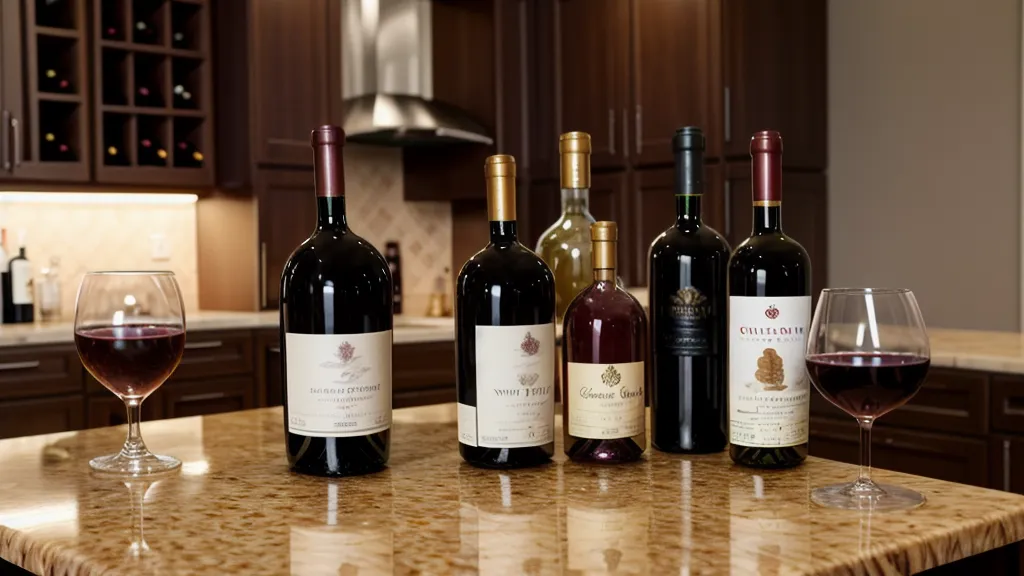
Char barrels are where Kentucky bourbon gets its vanilla-forward sweetness, and French oak — the wood a lot of high-tannin reds lean on — runs closer to cedar or a cigar box than anything sweet. Dryness in wine, once you notice this, is less about alcohol burn and more about the grape's own grip, a different sensation than what you're chasing in a glass of bourbon. My rec-league buddy Blaine Musgrove drifted into the Tuesday rotation a few years back, and he's the one who'll order something none of the rest of us have heard of — last time it was a Tannat none of us could pronounce.
One of the regulars has been cutting back, so Sober Carpenter stays stocked for him now, and I like that it works as a rotation rather than an all-or-nothing swap — more a matter of pacing ourselves through a full evening than treating the non-alcoholic can as a consolation prize. There's a flat, sealed-plastic smell that hits right before the tab on one of those cans cracks open, gone the second the fizz starts — small thing, but it's how you know it's cold enough to pour. A reader named Wade Ingold wrote in a while back asking about exactly this kind of swap, and he still sends me updates on what he's tried since.
I gave a fully dry month a shot once — sparkling water, nothing else — and I was back to real pours by day eleven, which is roughly when I gave up on the all-or-nothing approach for good. These days, when a bottle's down to its last inch, I pour that inch for myself instead of topping off four glasses that don't need it, a habit that took longer to notice than I'd like to admit.
The line outside Old Forester Distillery on Whiskey Row on a Saturday afternoon is about the closest thing Louisville has to bourbon tourists and wine tourists standing in the same spot, and it's not a bad way to picture what a Tuesday tasting is doing at a much smaller scale, with the same grip and different barrels.
Chill the Big Reds Before You Blame the Grape
Room temperature is bad advice for a heavy red in a humid Kentucky kitchen, full stop. A bottle of Tannat I once served straight off the shelf tasted metallic, almost like sucking on a coin, and it was my wife who suggested twenty minutes in the fridge instead. Most pairing advice says throw a fatty steak at these wines to cut the tannin, and that works, but a balsamic glaze over grilled portobellos has done better in my kitchen — the acidity softens the grip into something closer to chocolate than metal, which runs opposite to the standard advice but has held up every time I've tried it.
If you're transitioning from bourbon to wine, that crossover is worth knowing — the dryness you're chasing isn't about proof or burn at all, it comes entirely from the grape and the barrel. Whether to decant one of these before pouring is its own decision I won't fully get into here, though a few extra minutes of air rarely hurts a young, tight red. The line between what makes a bourbon a bourbon and a rye a rye is a separate rabbit hole too, and the short version is that it comes down to what's in the mash and the barrel, not just what's in the glass.
There's also a right order to pour a flight so your palate isn't shot by the third glass, which deserves its own write-up rather than a quick aside here. A wine label almost never uses the word tannic outright, either, so you end up reading grape and region as the stand-in — Nebbiolo and Cabernet Sauvignon on a label tell you more about what's coming than any tasting note printed on the back. Same as with bourbon, shipping rules on wine shift enough by state that I check before I click order, every single time, no exceptions.
Two Ways to Land on the Right Bottle
A few etched bottles from Mano's Wine sit on the shelf now too, including one with my favorite team's logo that I keep purely for the label, not for what's inside — that one's a gift-shelf bottle, not a drinking bottle, and I'm honest about the difference. A bottle either earns a permanent spot or gets wrapped up for whoever's birthday comes next, the same test I run on bourbon and on wine both.
So here's where it actually splits. If you already know you like big, structured reds and you're pouring for a full table, buy the full bottle — a single Cabernet or Tannat stretches further and costs less per glass than a box of minis ever will. If you're still figuring out your own tannin tolerance, or you're buying a gift and don't want to guess wrong, start with something like the In Good Taste calendar instead and let a dozen small pours do the guessing for you.
Your own shelf will tell you which bottles you actually finish, and that's a better verdict than anything printed on a label. I'm not a doctor and none of this is medical advice, so drink reasonably, and trust your own state's shipping rules over anything you read here.