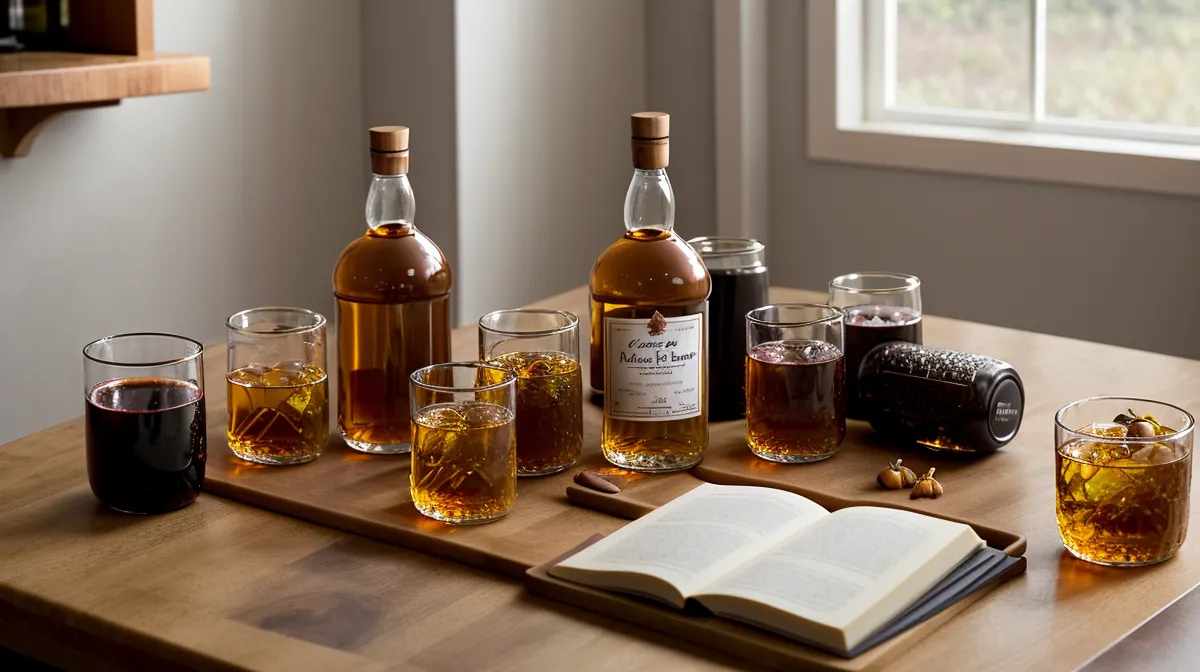
Late one Tuesday evening last winter, the usual bourbon clink in my kitchen was replaced by the distinct, pressurized pop of a tallboy. My neighbor, a guy who usually spends his weekends hunting for high-proof allocations at every liquor store in Louisville, Kentucky, handed me a can of Sober Carpenter without saying a word. He just wanted to see if I’d notice the missing kick. I’ve been keeping bourbons on the shelf over my kitchen pass-through since 2018, and usually, a Tuesday night means a small pour of something mid-shelf while we talk about the logistics of the week. But that night, the glass felt right, the weight was there, and for the first time in a long time, I didn't feel like I was missing out on the 'real' stuff.
Before we get too deep into the weeds, I need to give you a quick heads-up. A few of the bourbon shops, wine calendars, and non-alcoholic brands I mention here send me a small commission if you decide to order through my links. It doesn’t cost you an extra dime, and it helps keep my shelf stocked for these reviews. I’ve spent eight years of my own money building this collection, and I only recommend the bottles that actually get finished when the neighbors come over. Also, I’m a project manager, not a doctor. I have zero medical training. If you’re looking to change your habits for health reasons, you should definitely talk to your own doctor first. I’m just a guy who pays attention to what’s in the glass. Check your local shipping laws before you hit 'buy,' because bourbon and beer rules are still pretty strange depending on where you live.
The Evolution of the Kitchen Pass-Through
Back in 2018, my shelf was simple: a bottle of everyday rye and maybe one 'nice' bottle for company. But as the years went on and the logistics at work got heavier—and the Tuesday tasting crew got a little older—the Wednesday morning fog started to feel a lot less worth it. We weren't looking to quit drinking; we just needed a better way to manage the rotation. My wife’s book club started bringing over wine I’d never heard of, which led me to things like the In Good Taste Wines calendar. It’s got 24 mini bottles, which is a great way to figure out what you actually like without committing to a full case of something that might taste like a steakhouse appetizer gone wrong.
But for the beer drinkers in the group, the transition was harder. Most non-alcoholic beer used to taste like the water at the bottom of a cooler. Then Athletic Brewing showed up and changed the baseline. They’re the standard for a reason—you can find them almost anywhere now. But when we hit mid-February this past year, and one of my buddies got serious about cutting back, he brought over the Sober Carpenter. That’s when the 'Tuesday Tasting' really shifted.
Sober Carpenter vs. Athletic: The Mouthfeel Tradeoff
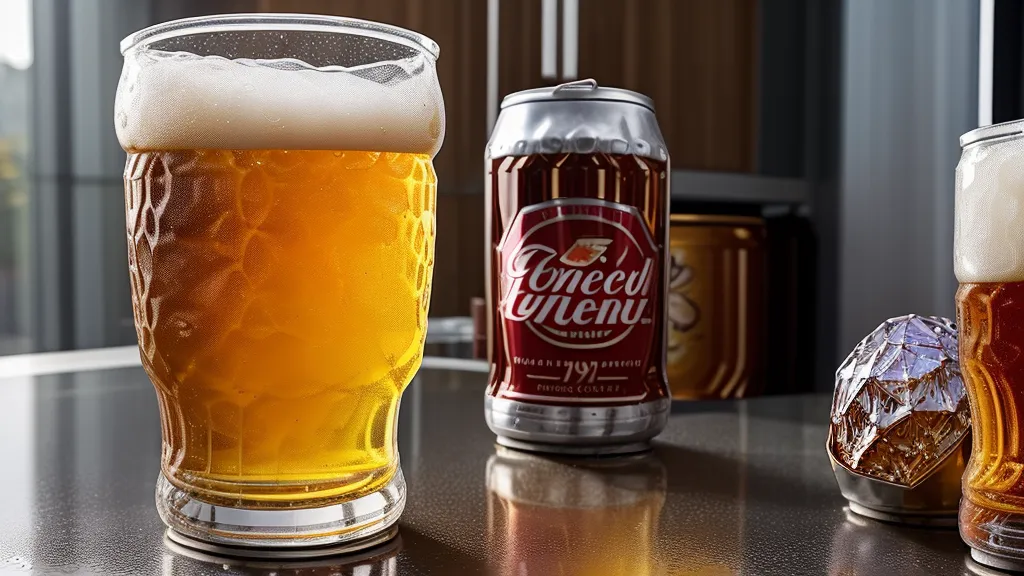
Here is what I’ve noticed after a few months of having both in the fridge. Athletic Brewing is great because it has a very clean, fermentation finish. It’s crisp. If you’re out mowing the lawn or it’s a July heatwave, that clean finish is exactly what you want. However, for a bourbon drinker who is used to a bit of 'chew' or weight in their glass, Athletic can sometimes feel a little thin. It’s like the difference between a light pilsner and a craft ale.
Sober Carpenter, on the other hand, seems to focus on a more robust mouthfeel. I have no idea what the science is behind it—maybe it’s the way they handle the malt—but the Irish Red and the White Wheat feel 'heavy' in the way a real beer does. When you're sitting on a porch in Louisville and the humidity is thick, having an NA beer that doesn't feel like flavored water is a big deal. They keep the ABV below the legal 0.5% limit, but they don't sacrifice the texture. While Athletic feels like a modern, efficient solution, Sober Carpenter feels like someone actually brewed a craft beer and just happened to leave the alcohol out. If you're curious about the switch, you can read my more detailed thoughts on swapping Tuesday bourbon for Sober Carpenter.
The Sober Carpenter lineup has about 6 different styles, including an IPA and a Cider. The Irish Red is the one that really won over the Tuesday crowd. It has that malty, slightly sweet backbone that reminds me of some of the lighter ryes I keep on the shelf. It’s about a tank of gas worth of money for a couple of cases, which is a lot easier on the wallet than some of the allocations I get from Bourbon Concierge. I love my rare bottles, but you can’t drink a hundred-dollar bourbon every Tuesday and expect to make it to your 8 AM meeting with a clear head.
The Turning Point: Not a Consolation Prize
During a July heatwave this past summer, we did a blind test. We had some high-end IPAs, a few bottles of wine from a Wine Country Gift Baskets set a coworker sent me, and a cooler full of NAs. The surprise wasn't just that people liked the Sober Carpenter; it was that they didn't treat it like the 'diet' option. Usually, when someone grabs an NA beer, there’s a little half-apology involved. 'Oh, I have to drive,' or 'I'm taking a break.' But with the Sober Carpenter White Wheat, people were just reaching for it because it tasted good in the heat.
I’ve realized that the true test of any bottle on my shelf isn’t the price or how hard it was to find. It’s whether the glass is empty when the neighbors head home. I’ve had bottles of Cabernet that cost a steakhouse dinner and ended up being used for cooking because nobody wanted a second glass. (I once had a Malbec from a gift basket that literally tasted like pencil shavings—that one went right down the drain.) But the Sober Carpenter cans? They disappear. That’s the highest praise I can give a beverage.
Filling the Gaps on the Shelf
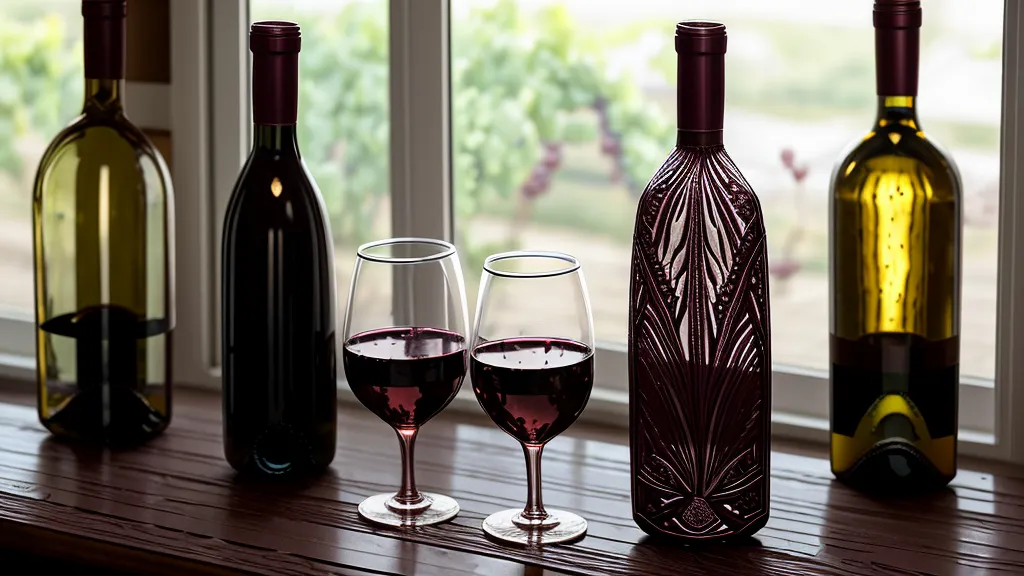
By early September, my kitchen pass-through had reached a new kind of equilibrium. I’ve still got my hand-etched Mano's Wine bottles—they have licenses for 5 different professional sports leagues, so I keep a Bengals bottle for game days—and I still have my rare finds for special occasions. But the 'everyday' section has changed. It’s less about the proof and more about the experience. If you're looking for the good stuff, I’ve written about my go-to online shops for bottles that actually get opened, and Sober Carpenter has earned its spot right next to them.
If you’re the kind of person who likes a drink after work but doesn't like the way you feel at 10 PM, I’d say give the Sober Carpenter mixed pack a try. It’s a low-risk way to see if that robust mouthfeel works for you. You might find, like I did, that you don't actually miss the kick as much as you thought you would. You just missed the ritual of a good glass in your hand while the sun goes down over the Ohio River.
At the end of the day, your choice depends on what you value. If you want something crisp and widely available, Athletic is your play. But if you want something that feels like a craft beer—something that stands up to a neighbor's best bourbon allocation—I’m putting my money on the Carpenter. Your call, but I know which cans are empty at my house.
| Product | Rating | |
|---|---|---|
| Sober Carpenter Tuesday Night Pick | 9.3 | Read More → |
| Bourbon Concierge | 9.1 | Read More → |
| In Good Taste Wines | 8.8 | Read More → |
| Athletic Brewing | 8.5 | Read More → |
| Mano's Wine | 8.2 | Read More → |
Sober Carpenter
Pros
- + Robust mouthfeel that actually feels like a full-strength craft beer
- + Diverse 6-style lineup including a standout Irish Red and White Wheat
- + The perfect 'bridge' drink for bourbon lovers cutting back on ABV
- + Doesn't have the thin or watery finish common in many NA brands
Cons
- − Harder to find in local Southern grocery stores compared to Athletic
- − The IPA style can be polarizing for people used to West Coast bitterness