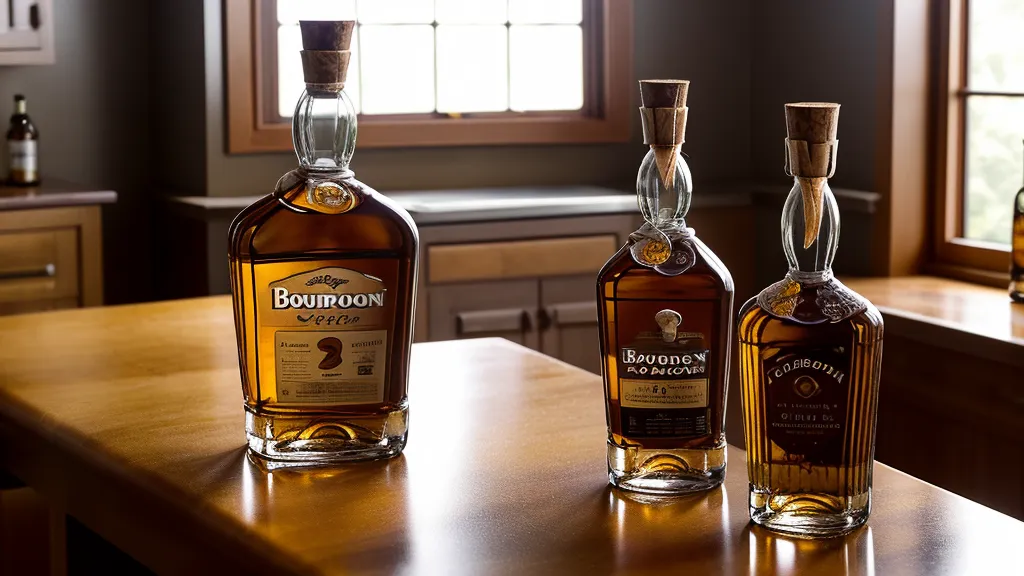
Five people were crowded around the strip of laminate counter beside my fridge that doubles as the pour station on tasting nights, and a full bottle of Weller 12 didn't make it past the first round — gone before anyone reached for seconds. That's the kind of pace that makes bourbon shipping matter more to me than it does to a casual collector: if a bottle vanishes that fast once it's open, everything still riding in a box on a truck needs to survive the trip. I spend my working hours as a logistics project manager watching packages get man-handled through sorting hubs, so when my own whiskey collecting is what's in the back of that truck, a "fragile" sticker alone doesn't buy me any confidence.
Fragile Packing Starts With the Box, Not the Bubble Wrap
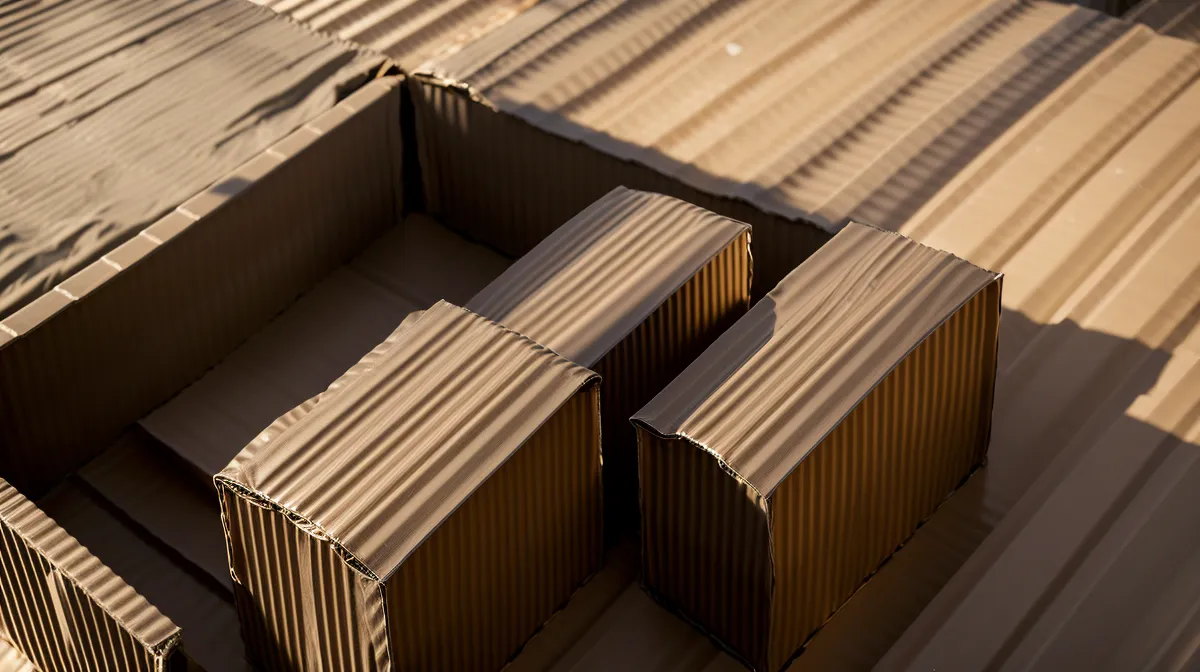
Most people think shipping a bottle safely comes down to how much bubble wrap you can wind around it, and for years I assumed the same thing. Enough soaked, dented boxes came through our regional hub before I noticed padding alone wasn't the fix — a bottle can still shatter inside a thick wrap if the box itself gives out under it. The footer-f146ee matters as much as anything you stuff inside it. You want something built for weight, not the thin stuff a case of cereal ships in — if it flexes when you set a stack of hardcover books on top, it isn't going to survive two thousand miles of highway and sorting-belt abuse. There's a reason movers and shippers reach for corrugated fiberboard built for the job instead of whatever's sitting in the recycling bin. Proof matters too, though I keep it simple in my head: once a bottle crosses a certain alcohol threshold, most carriers start treating it as hazmat, and that's a headache I steer clear of for a casual gift.
Why I Quit Wrapping and Started Suspending the Bottle
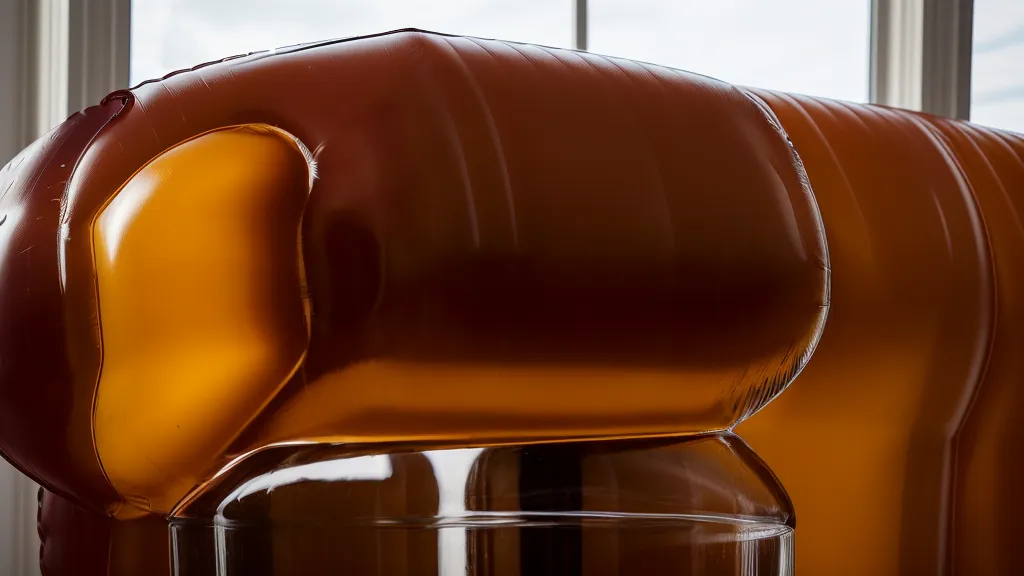
Bubble wrap still lets a bottle move. Not much, but enough. When a truck vibrates across three state lines, that little bit of shimmy inside the wrap turns into friction against the glass, mile after mile, and I don't love the odds over that kind of distance. Somewhere around the seventh trial shipment, I stopped hearing a telltale thump when I shook a taped-up box, which told me I'd finally landed on something that worked: suspend the bottle instead of wrapping it. I slide it into an inflatable air column — one of those plastic sleeves that looks like a life vest sized for a bottle — then set that inside a snug inner box, centered in a bigger shipping box with a couple inches of foam or tightly packed paper on every side. Nothing should shift when you pick the whole thing up and give it a shake. I spent something like a steakhouse appetizer's worth of money on the air columns and foam the first time, and I've reused the same set for three shipments since, so it's turned into more of a tank-of-gas expense than a repeat cost.
Packing tape has its own small ritual. I remember working through a fresh roll one evening, trying to keep the tension even without crushing the corners, and picking a stray strip off my forearm the way it always seems to happen when I'm rushing to get a box out the door before the last pickup. Small embarrassments like that are the price of admission, but they're a lot cheaper than a bottle that doesn't survive the trip, especially when what's inside isn't something I could just walk into a store and replace. A fair amount of what ends up on my shelf is the kind of bottle you track down online because the shelf near you never sees an allocation.
The Christmas Bottle That Arrived Half Empty
A neighbor came by looking pretty deflated the week before Christmas last year. He'd shipped a nice bottle to his father, and when it arrived the box was damp through one corner; he assumed the worst, a shattered bottle, a ruined gift. It turned out to be intact, just noticeably lower than it should have been. Nothing broke. The cork had let go just enough to weep around the seal, probably from the bottle sitting in a cold warehouse overnight and then riding a warm truck the next morning — I couldn't tell you the exact mechanics of it, only that a soggy box smells unmistakably like bourbon and bad news. Since hearing about it, I wrap the neck in parafilm — that stretchy, waxy film — before the bottle ever goes into the air column, and I haven't had a repeat.
My own shipping mishaps run more toward subscriptions than corks. A wine club I joined a while back kept sending three bottles at a time, more than I could get through before the next box was already on a truck, and I never managed to cancel before a second shipment landed on the porch. By the time the extras had piled up on the counter, I'd worked out my own rule of thumb for when a bottle graduates from "save it for later" to "someone else's present", a threshold that's saved me from a cluttered shelf more than once. One of those extras, a Malbec that showed up in a gift basket from my wife's coworker, didn't even make it that far. A pour of it tasted like tart grape juice with nothing behind it, and the rest went into a pot of beef stew instead of anyone's glass.
What the Law Actually Expects From an Everyday Shipper
I'm a logistics manager, not a lawyer, and the rules for a regular person shipping a personal bottle are a different animal from what UPS or FedEx sets up for a licensed commercial shipper — they vary enough state to state that I won't pretend to know your local answer. The legal patchwork is really the backdrop you have to work out before you ever get to worrying about foam and air columns: whether the destination state will even accept the package matters more than how well it's packed, and that's a rabbit hole I mostly leave to sites that track it properly, like the online bourbon and wine retailers comparisons that lay out shipping rules state by state. Kentucky borders a few dry counties of its own, and I've had a shipment get rerouted because a local hand-off point wouldn't take an alcohol package at all, which taught me to check the route before I promise anyone a delivery date.
Non-alcoholic shipping is the version of all this with the stakes turned way down. A can travels a lot better than a glass bottle at whatever proof, and it skips the hazmat conversation entirely. Fenton Burley, one of the regulars at my Tuesday rotation, has been quietly asking me to keep something non-alcoholic around for a while now — his hospital-administration schedule means he's not always around at the same hour anyway. That's part of why non-alcoholic beer for weight loss ended up in my regular shipping rotation alongside the bourbon — swapping in a can here and there is a lot less of a shipping headache than another fragile bottle.
The One Thing I'd Tell a First-Time Shipper
If there's one thing worth carrying away from all this, it's that padding is the last step, not the first one — the box, the proof limits, and the state rules all have to line up before bubble wrap or foam even enters the conversation. Get the footer-f146ee right, suspend instead of wrap, seal the cork, and check the destination state before you tape anything shut, and you're ahead of most people standing in line at the shipping counter. None of this is exclusive to bourbon, either. I've shipped a bottle or two from the best red wines for bourbon drinkers list I've been working through, and the same suspension setup handled the glass just fine. It's more effort than most gifts need, sure, but for anyone who cares what's actually in the glass when it arrives, that effort is the gift. Check your own state's rules before you commit to anything — mine change often enough that I don't trust my memory on it, and neither should you.