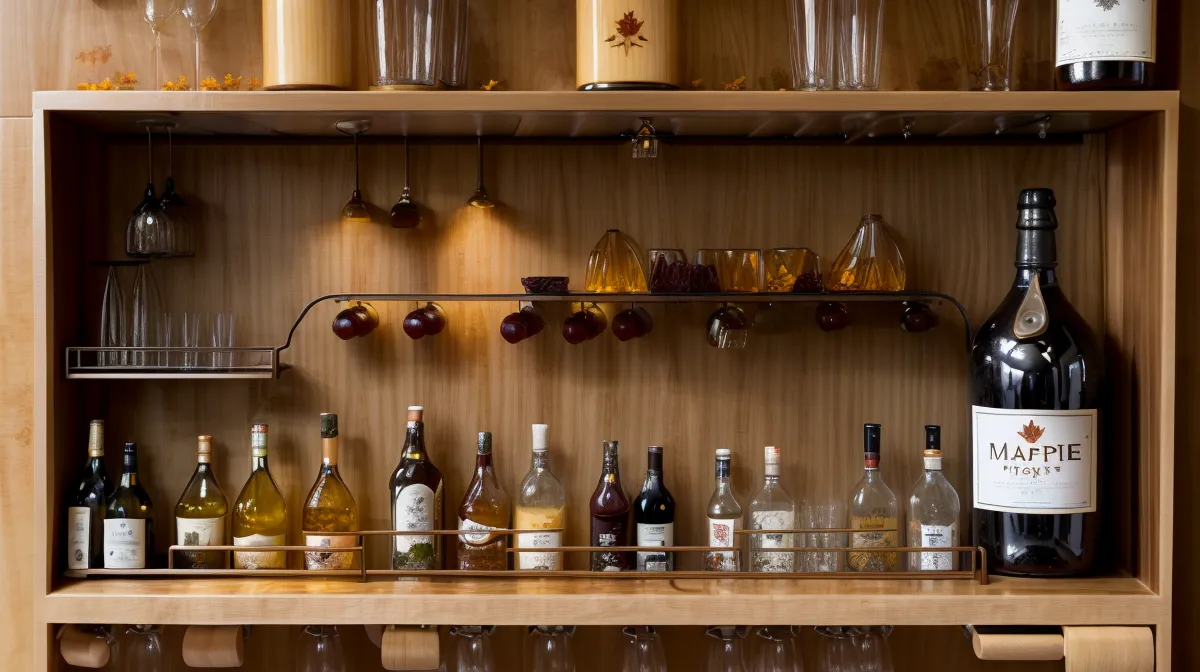
A line outside Old Forester Distillery on Whiskey Row can eat two hours before anyone reaches the gift shop counter. An allocated bottle ordered from the right online liquor shop can get delivered without me standing anywhere at all. That gap is the whole case for running my logistics instincts on rare spirits instead of just my patience. Bourbon collecting stops being a scavenger hunt once you start treating it like a supply-chain question, call it home bar logistics if you want a name for it, and that's the lens this whole comparison runs on.
Quick disclosure before any of that: some of the bourbon shops, wine calendars, gift-basket sites, and non-alcoholic brands below pay me a commission if you order through my links, and your price doesn't change either way. I only keep recommending something once it's actually survived more than one round on my shelf, half kept, half quietly moved along. I'm not a sommelier or anyone in the trade, just someone who pays attention to what actually gets finished at the end of a pour.
Online Liquor Shops vs. the Local Hunt
Local shelves around here get picked over fast by people with more patience than I have for a sunrise wait, so I started sourcing differently instead of showing up earlier. Bourbon Concierge is where that search usually lands; a small, family-run outfit that specializes in the kind of allocated stock that stopped reaching Kentucky shelves years ago. Getting a name on an allocation list only matters if the shop can actually get the bottle into your hands afterward, which turns out to be its own separate hurdle from just finding it listed as in stock.
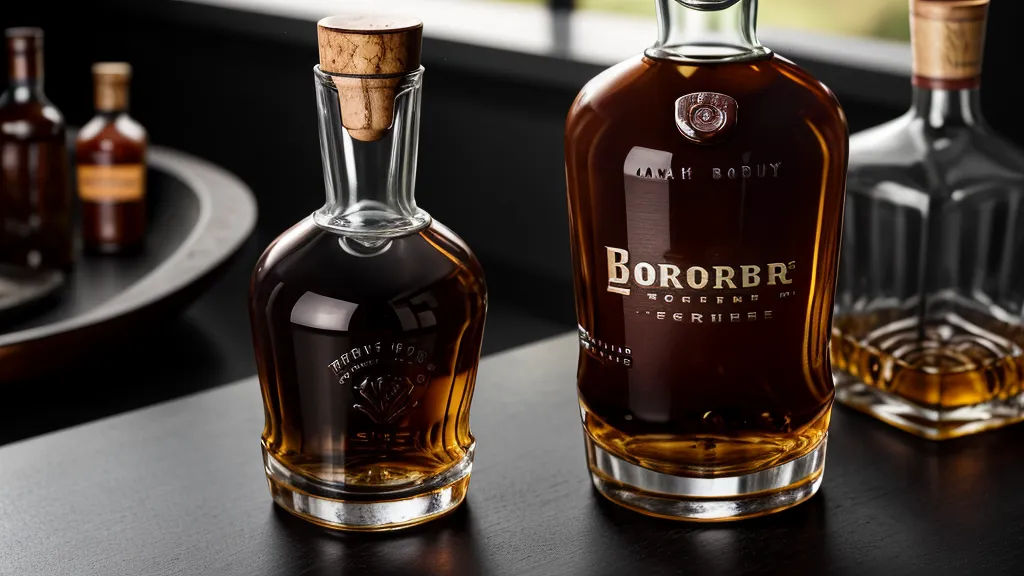
Here's the honest trade-off: rare allocations from a shop like that usually run about a steakhouse appetizer more than suggested retail, sometimes closer to a full tank of gas over it. Most of what's actually worth drinking on a random Tuesday sits mid-shelf anyway, which is a completely different budget conversation than what's worth chasing for a birthday or an anniversary pour. Paying the markup buys certainty, a bottle that shows up on schedule instead of a maybe strung along on some replenishment list, and once I started pricing in the hours I wasn't spending driving store to store, the math stopped feeling like a splurge.
Blaine Musgrove, a softball buddy who drifted into the Tuesday rotation and refuses to read a label until after he's given his take, is my usual test case for whether a markup is worth it. Pour him the allocated bottle next to something off the regular shelf and don't say which is which: more than once he's stopped mid-sentence, gone quiet, and just looked down into the glass for a second before saying anything else. That reaction tells me more than the price tag does.
What Actually Makes a Bottle Allocated?
Allocated just means the distributor hands a store only a few bottles based on how much of the ordinary stuff that store moves — the good stuff gets rationed to keep the shelf-fillers happy. To even be called bourbon whiskey, there's a grain-recipe rule involved that a different piece can spell out in full. Allocated lists mix bourbon and rye together more than shoppers notice, though the two aren't governed by the same rule at all; that's a distinction worth knowing before you fight over an allocation slot.
What a shop like Bourbon Concierge sells you around is the local rationing system entirely. When I called looking for a milestone gift, an actual person answered, no phone tree, no hold music, and knew exactly which small-batch bottles were sitting in the back. No automated system does that.
Keeping the Tuesday Lineup Inclusive
Sober Carpenter earned a permanent spot in the rotation the day one of my regulars decided to cut back and I didn't want him nursing tap water while everyone else tasted. Sober Carpenter makes the kind of non-alcoholic beer that actually reads as beer. I've tried plenty of the stuff that tastes like whatever rinsed out a real vat, and this isn't that. Their IPA splits my house right down the middle; my wife calls it too hoppy, and I still think it's the best non-alcoholic IPA for grilling or just sitting on the porch after a long shift. Where a can like that lands in the pour order matters more than people assume, though the reasoning behind that is its own rundown for another day.
These stay under whatever line a beer has to clear to legally call itself non-alcoholic. I won't pretend to have that number memorized, and it's not really the point. What surprised me is the mouthfeel; it drinks like a real can, not a consolation prize. I tried going dry myself for a stretch, nothing but sparkling water in the fridge, and quit by day eleven; plain fizz doesn't scratch the same itch a real beer does, which is exactly why a can with actual body works when spa water never did. We rotate styles instead of settling on one, which keeps the lineup feeling like a choice instead of a substitution.
A reader named Wade Ingold emailed a while back asking which non-alcoholic options were actually easy to keep in stock without paying a premium every time a case ran out; he was pouring for barbecues, not doing a full sober reset, and wanted something that didn't feel like a consolation prize either. Mixed packs are the fair way to shop this category: they let a group figure out what it actually finishes before anyone commits to a full case of one style.
Wine Calendar or Full-Bottle Commitment
My wife's book club is the reason there's wine on the shelf at all; I used to sit there completely lost when they started naming regions I'd never heard of. There's a real crossover between bourbon drinkers and the reds that end up on that table, and it's less random a pairing than it sounds. One of the In Good Taste Wines calendars ended up on the counter, an advent-style box you don't have to wait for December to open: twenty-four mini bottles from France, Argentina, and California, so you get two dozen different looks at a region before committing to a full case of something you might not even like.
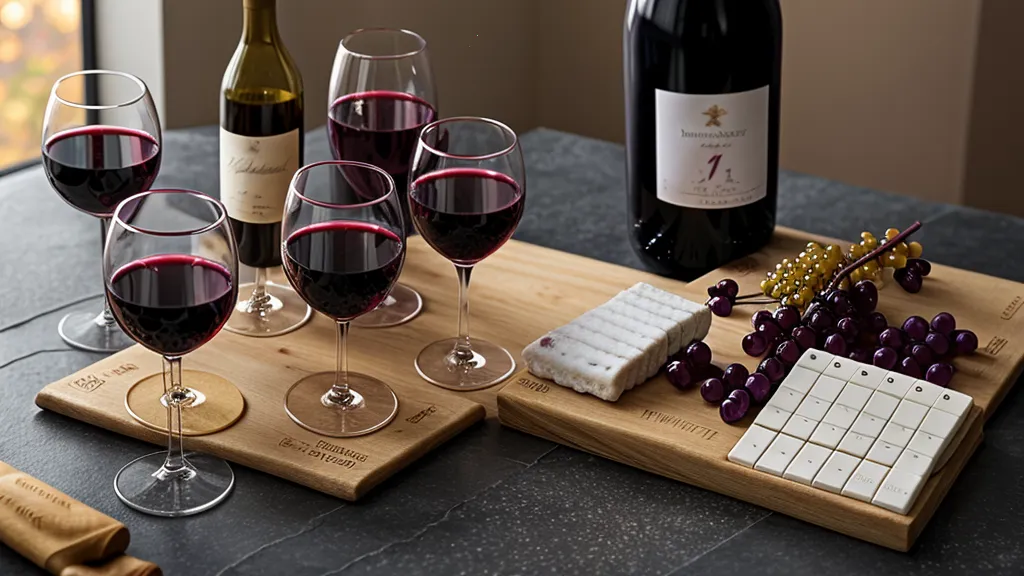
I learned fast that I don't like every region equally. Whether a given bottle needs to breathe before it's poured is its own call I make case by case, not a rule I apply across the board; some of the mini bottles hit with a grip up front that has more to do with tannin structure than the shelf tag admits, and that's a rabbit hole for a different piece. What I like about the In Good Taste cards is that they explain what you're smelling without the vocabulary that makes me feel back in school: more like "this one smells like a cedar chest," which I can actually work with. Learning to read a wine label well enough to guess what's inside before you pour is its own skill, and I'm still decoding it one mini bottle at a time. A rare bottle also isn't really available at all unless the shop can legally ship it to your state, so shipping reach ends up filtering a list faster than price does. I keep a longer rundown of that in an online bourbon and wine retailers compared piece if you want the state-by-state specifics.
Which Gift Actually Survives the Unboxing?
Wine Country Gift Baskets and Mano's Wine solve two different problems, and mixing them up is how a gift ends up feeling wrong for the room. When a coworker has a birthday or someone bails me out on a shipping headache at the office, Wine Country Gift Baskets is the safe move; the baskets actually look like the listing photos, which is rarer than it should be, and they handle the awkward parts, like a recipient who isn't home to sign for the box. You're paying for the ribbon and the presentation about as much as the wine itself, but for a professional thank-you, that's the whole point.
Mano's Wine is a different job entirely; for family stuff, where the bottle is meant to be a keepsake rather than something anyone's actually going to finish. My niece's bridal shower got custom-etched bottles for the table, and that meant working like a project manager: custom orders need at least a four-week lead time to get the etching and painting right. The wine inside is fine for a party; the bottle itself is what people keep. There's a point where a bottle crosses from "keep it on the shelf" to "re-gift it to someone else," and with a basket that's usually decided before the ribbon even comes off; a custom label skips that question completely, because nobody re-gifts something with their own name etched into the glass.
Russell's Shelf Report: Comparison Table
Here's how I actually weigh these sources when I'm planning a restock; no points, no stars, just what job I need the bottle to do.
[COMPARISON_TABLE_PLACEHOLDER]Choosing the Route That Fits Your Shelf
Set side by side, the choice isn't really bourbon versus wine versus non-alcoholic; it's certainty versus patience. Bourbon Concierge is where I go when a specific rare bottle has to show up by a deadline and I'm willing to pay the markup for that guarantee; the local hunt still wins when budget matters more than certainty and I've got months, not days, to find something decent. Sober Carpenter earns its spot when the room needs everyone included without anyone drinking a consolation prize, and the wine calendar or the gift sites take over the second the goal shifts from what I'm drinking to what I'm sending somebody else.
If the waitlist games at your local shop have started feeling like unpaid overtime, that's usually the signal to start pricing in your own time the way I finally did. Order from the shop that actually has the inventory, keep the local store for the bottles that don't need chasing, and let the Tuesday lineup, bourbon, wine, or the non-alcoholic cans, decide for itself which one earns a second pour. I don't know what to tell you beyond that; it's your call and your shelf.