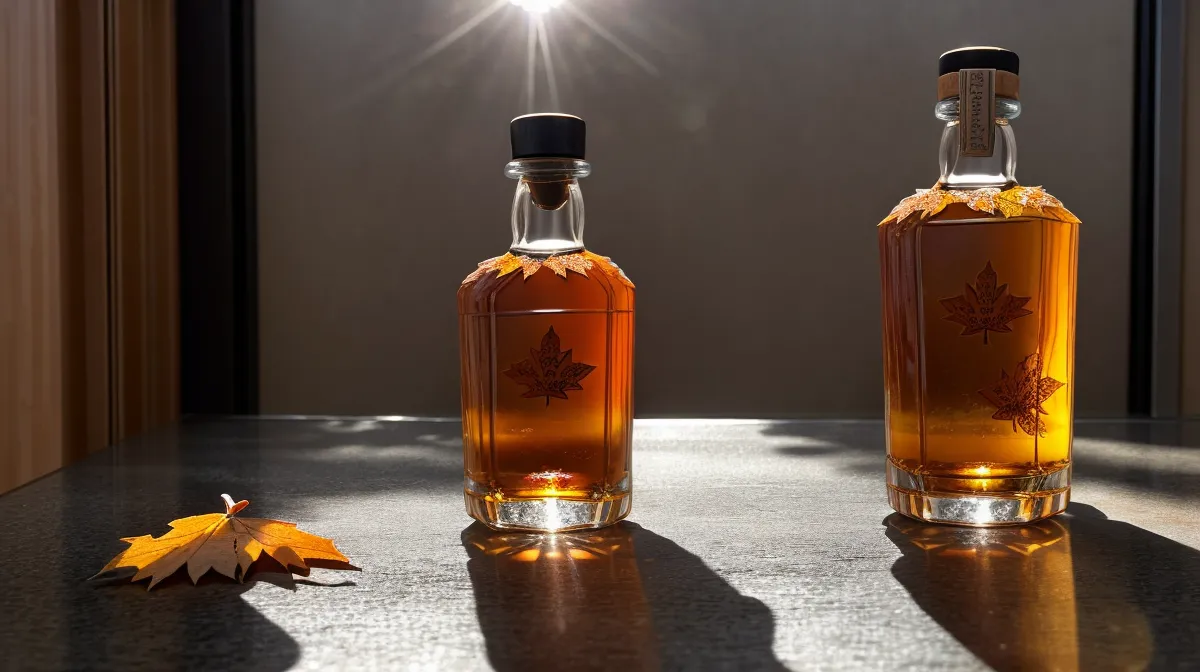
Standing at my kitchen pass-through one evening last winter, I realized my hand hovered over a 100-proof rye for five minutes before I reached for a non-alcoholic tallboy instead. It was one of those damp, grey Louisville evenings where the Ohio river fog rolls in over downtown and stays there, making everything feel a bit heavy. Usually, that is exactly the kind of night where I want the burn of a high-rye bourbon to cut through the chill, but for some reason, the idea of the alcohol felt like a chore rather than a reward.
The Tuesday Night Shift
For years, my Tuesday nights have belonged to a small group of logistics and trade guys. We meet up to swap samples of stuff we found at the back of a liquor store shelf or an allocation one of us managed to snag. We aren’t experts; we just like what we like. But around early spring, something changed. One of my buddies, who’s been in the shipping business as long as I have, started showing up with cans that didn’t have a lick of alcohol in them. Specifically, these 'Sober Carpenter' cans started popping up between the rare bourbon pours.
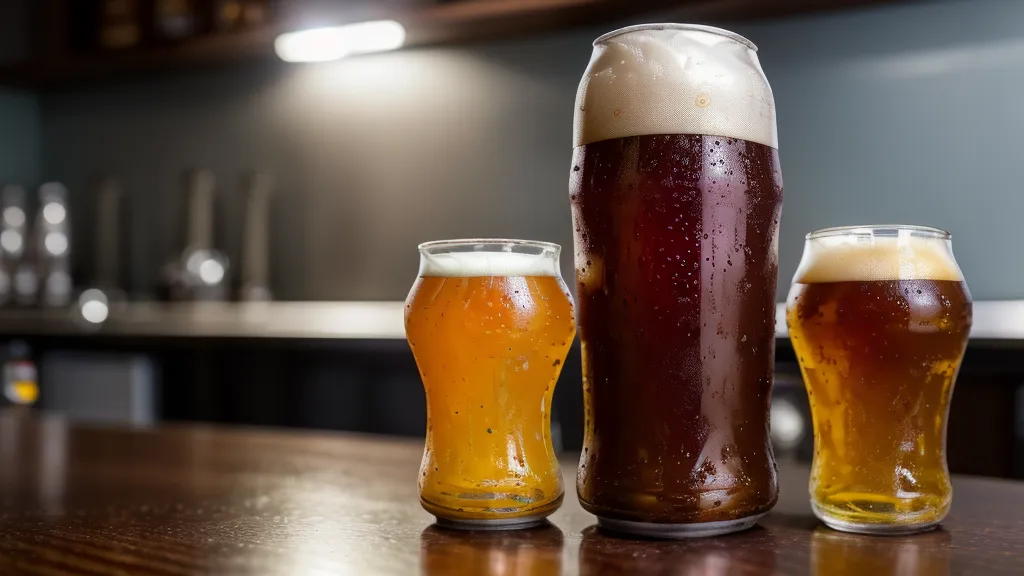
At first, we gave him a hard time, but then I started paying attention to what happened to our palates. When you’re tasting three or four different spirits in a row, your tongue starts to get lazy. It’s called palate fatigue, and it’s a real thing. I’ve noticed that when we’re three pours deep into some high-proof stuff, everything starts to taste 'good' just because it’s intense. But intensity isn’t the same as flavor. I’ve found that the lower-proof options, or even these non-alcoholic alternatives, actually force you to evaluate the true complexity of what’s in the glass because there isn't any alcohol heat to hide behind.
The 100-Proof Myth and the Reality of the Shelf
I’ve spent a lot of time looking at the labels on my shelf. If you look at a bottle of Bottled in bond bourbon, the law says it has to be exactly 100 proof. That’s 50% alcohol by volume. It’s a standard that’s been around since the Bottled-in-Bond Act of 1897, and for a long time, I thought that was the floor for 'serious' drinking. If it wasn't hitting that triple-digit mark, I figured it was watered down and not worth the shelf space. But lately, I’ve realized that chasing proof is a bit like turning the volume up on a stereo until the speakers start to rattle. You hear it loud, but you lose the music.
Contrast that with the non-alcoholic world. FDA and TTB regulations are pretty strict there, limiting anything labeled 'non-alcoholic' to less than 0.5% ABV. That is a massive gap. We’re talking about the difference between a freight train and a bicycle. Yet, when I started trying these craft NA options during our Tuesday sessions, I was surprised by the botanical 'grip' they had. I’m not a health professional or a doctor, so I’m not here to tell you that cutting back will change your life, but I can tell you what it did for my Wednesday mornings. You should obviously talk to your own doctor if you’re thinking about your intake, but for me, the ritual of the pour mattered more than the proof.
The Hop and the Grape: Finding Overlaps
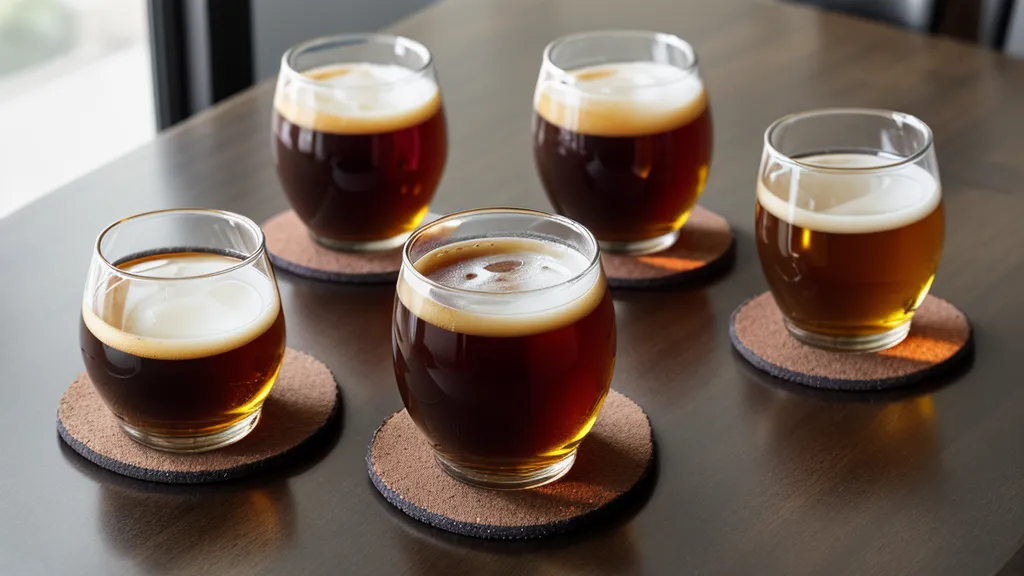
During a heatwave in July, my wife’s book club was over, and they were working through a few 750 ml bottles of white wine. I’ve never been a wine guy—I still have no idea what tannin is officially supposed to taste like—but I started noticing how they talked about the 'crispness' and the 'acid' of the wine. It reminded me of the 'hop bite' in the non-alcoholic IPAs I’d been trying. There’s a certain sharpness there that clears your palate, much like a dry white wine does after a heavy meal. I’m still finding my feet between the rickhouse and the vineyard, but the crossover is more obvious than I expected.
I’ve also learned a bit about how these NA beers are made. Many of them use vacuum distillation, which is a fancy way of saying they boil off the alcohol at a lower temperature so they don't cook the flavor out of the hops. It’s a lot like how a distiller manages a run, just with a different end goal. When you taste a well-made NA beer, you get that floral, piney hit that reminds me of some of the lighter, high-rye bourbons I keep over the pass-through. It’s about the aromatics, not just the kick.
The Turning Point: Wednesday Mornings
The real shift happened late last month. I had a particularly heavy shift at the logistics hub—one of those days where three different trucks were delayed and the paperwork was a mile high. Usually, I’d come home and pour a standard 1.5 ounces of something strong to 'level out.' But I remembered that sharp, cold crack of an aluminum tab echoing in a quiet kitchen when the house finally settles down for the night. I went for the can instead.
I noticed the absence of that familiar heat in the chest, but it was replaced by a clean, crisp finish that doesn't linger into the next morning. When I woke up on Wednesday, I didn't have that 'fog' that usually follows a mid-week bourbon pour. It wasn't a hangover, exactly—I'm 47, I know how to pace myself—but it was a clarity I hadn't realized I was missing. It made me realize that my hobby of 'tasting' was often just a habit of 'consuming.' By mixing in these NA options, I was actually enjoying the bourbon more when I did have it because my palate wasn't constantly hammered by high-proof spirits.
I’ve had my share of misses, too. A coworker once gave me a Malbec from a gift basket that I’m pretty sure was just fermented grape juice and wood chips. I tried it one Tuesday, took two sips, and it ended up being the only bottle I’ve ever poured down the drain. It cost about a tank of gas’s worth of disappointment. But that’s part of the process. You have to try the bad stuff to know why the good stuff is worth the shelf space. I’ve found that swapping my Tuesday bourbon for Sober Carpenter occasionally has actually made me a better taster overall.
Sustainability at Forty-Seven
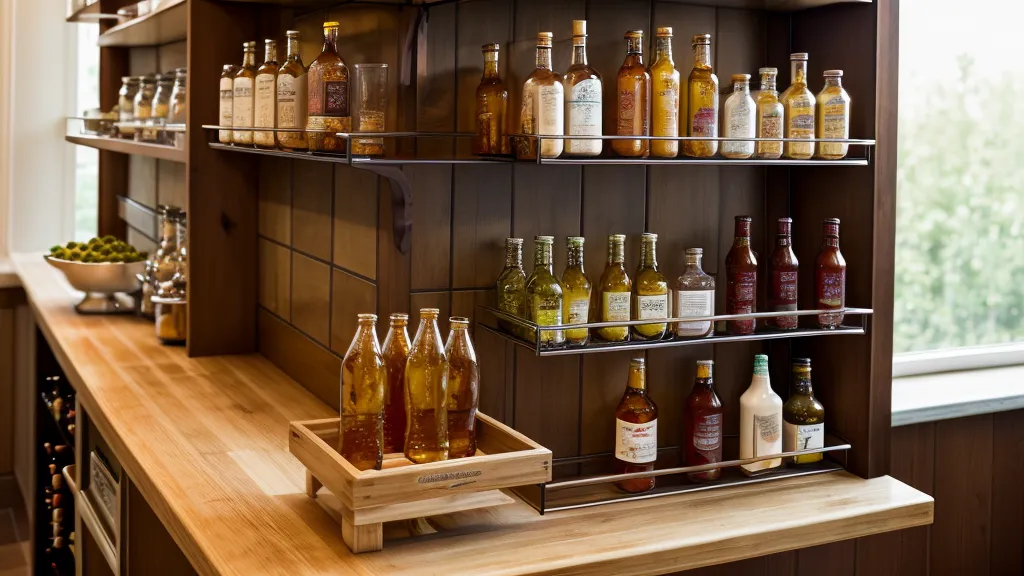
Looking at my shelf now, the high-end Kentucky bourbon sits comfortably next to the craft NA options. It’s about balance. I still love the history of bourbon—how it has to be aged in new charred oak containers to even be called bourbon—but I also appreciate the tech that goes into a good non-alcoholic brew. At my age, keeping the hobby sustainable means knowing when to pivot.
If you’re standing at your own shelf tonight, wondering if you really want that high-proof pour or if you’re just doing it because it’s 8:00 PM, try the pivot. You might find that the flavor you’ve been chasing is easier to find when the alcohol isn’t shouting over it. It’s not about giving up the good stuff; it’s about making sure you can actually taste it when you pour it. Your call, of course, but for me, the Tuesday night rotation has never looked—or tasted—better.