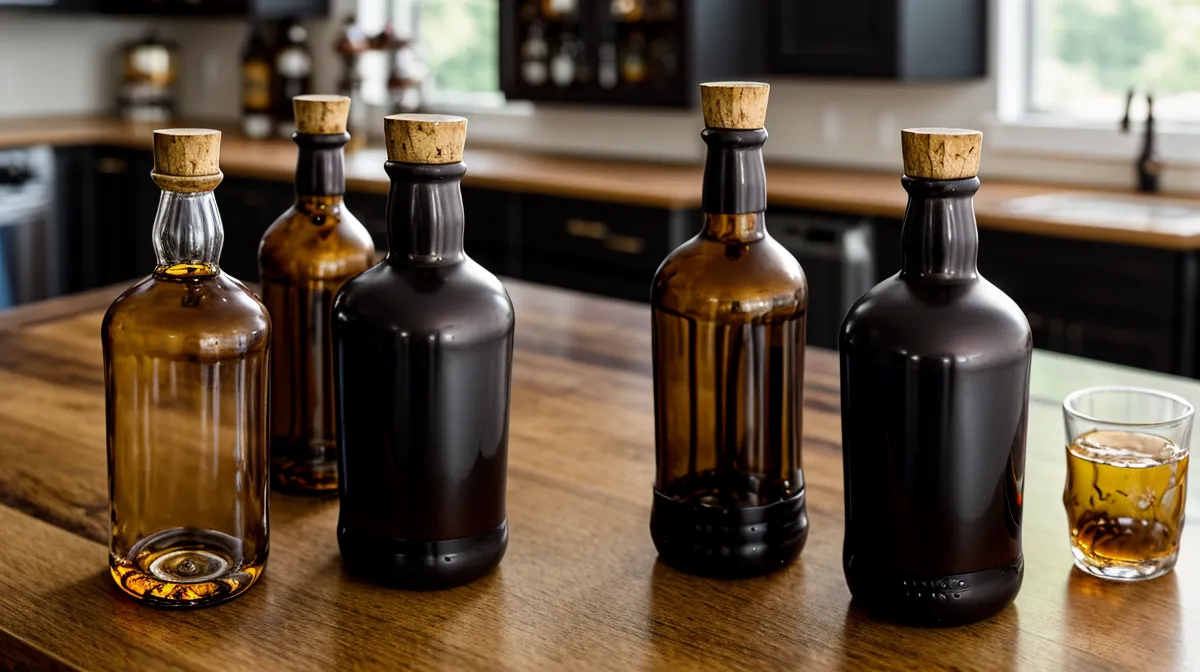
Oaked Chardonnay tastes like it went through roughly the same process as a bottle of bourbon. Unoaked Chardonnay tastes like it walked straight past the barrel and kept going. That's the whole split, and it's the reason plenty of self-described bourbon guys who swear they don't like wine just haven't been handed the right glass of it yet. If oak aging is the thing you already trust in a whiskey, it's the thing to chase in a Chardonnay too — and you can usually tell which side of that line a bottle sits on before you ever pull the cork, once you know which words on the label are doing the talking.
Quick housekeeping before any of that: a handful of the wine and bourbon sources named below — the tasting calendar, the gift-basket outfits, the non-alcoholic option — pay a small commission if you click through and buy, at no extra cost on your end. What's on this page actually went through the kitchen shelf, which started with three bottles wedged onto the pass-through back in 2018 and now holds fourteen, split close to even between whiskey and wine. None of this is medical or financial advice — I run logistics projects for a living, not a medical practice, and direct-to-consumer alcohol shipping laws change by state, so check yours before you check out anywhere below.
Oak Does to Chardonnay What Char Does to Bourbon
Bourbon spends time in new oak, charred on the inside before the spirit ever touches it — that much most bourbon drinkers already know without thinking about it (that's a separate conversation from the whole bourbon-versus-rye mash-bill argument, which is its own barrel story). Chardonnay can go through something comparable. A bottle labeled "Oaked," especially out of California, sat in barrels for a stretch, and that barrel time is where the resemblance to your bourbon shelf actually comes from. It isn't identical — nobody's charring a wine barrel — but the wood is doing comparable work: pulling out sweetness, rounding off sharp edges, adding a toasted quality that makes a glass feel like it has some weight behind it.
The wood itself is usually Quercus alba, American white oak, on both sides of the aisle — the same species doing double duty in the bourbon industry and a good chunk of the wine industry. Some oaked Chardonnays also go through malolactic fermentation, a separate process from the barrel time that tends to show up in the same bottles — it's part of why an oaked Chardonnay can feel heavier and creamier on the tongue instead of thin and sharp. I couldn't walk you through the chemistry of either one if you asked, but I know what the glass feels like after, and that's closer to a bourbon pour than a glass of Pinot Grigio ever gets.
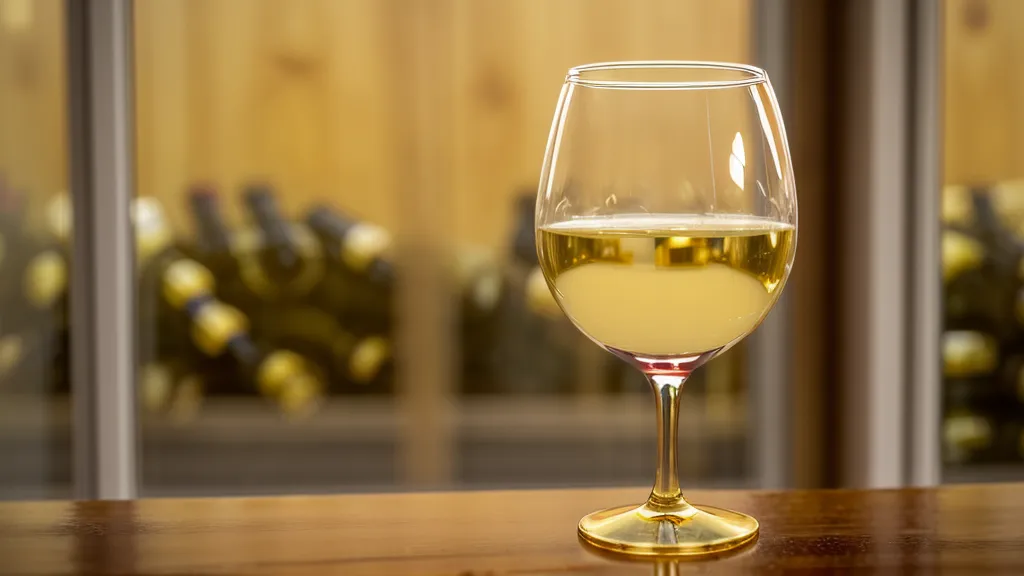
How Do You Spot an Oaked Bottle Before You Pour It?
Here's the actual shortcut, and it's the one thing worth remembering out of all this: read for the oak-specific words, not the whole label. "Buttery," "Toasted Oak," "Barrel Fermented," "Reserve" — any of those on a Chardonnay is a decent signal you're getting the bourbon-adjacent version. "Unoaked," "Steel," "Stainless," or a French Chablis point the other way; Chablis by tradition skips the barrel almost entirely. That's not the full education on how to read a wine label — that's its own skill worth learning separately — but if oak is the only thing you're screening for, that handful of words has done the job every time I've checked it against what's actually in the glass.
Under the pendant light over the kitchen island in the evening, that back label is about the only part of the bottle that's actually readable, so I've gotten in the habit of hunting for those specific words instead of trying to parse the whole thing.
Testing Oaked Against Unoaked, Bottle by Bottle
The fastest way to find out which side of that line you land on is to taste both back to back instead of guessing from a shelf description. I worked through the In Good Taste Wines tasting calendar to do exactly that — it's an advent-style box with twenty-four mini bottles pulling from France, Chile, Argentina, Australia, and California, so a lean Burgundy ends up sitting a few nights away from a heavy California oak bomb without committing to a full bottle of either. (Decanting any of them first is its own argument I'm not getting into here.) What order you taste them in changes what you notice too — that's a bigger topic on its own — but even working through them in whatever order the calendar handed me, the pattern showed up fast.
Unoaked bottles, Chablis included, came through crisp, almost green-apple sharp, and perfectly fine on their own terms. They just didn't scratch the same itch a bourbon pour does. If you're still building that preference out, The Best Wine Tasting Kits for Beginners walks through more of that side-by-side approach.
That kind of blind side-by-side matters more than most tasting notes, honestly. I've been burned going the other direction before — picking up a supposedly top-rated bourbon off a listicle, only to find once it was actually in the glass that it was too sweet to sip neat. Tasting notes on a page and what's true for your own palate aren't always the same thing, in wine or in whiskey.
Finding the Wine Version of an Allocated Bourbon
Once oaked Chardonnay was the clear preference, the next problem was the same one that shows up with rare bourbon: you can't just walk into a Louisville shop and find the good stuff sitting on a shelf. Most of it's held back for regulars or gone before it's even priced out. That's the gap Bourbon Concierge ended up filling — spirits-focused on paper, but with a real line on small-batch, barrel-heavy wines that hold up to a whiskey palate instead of tasting thin next to it.
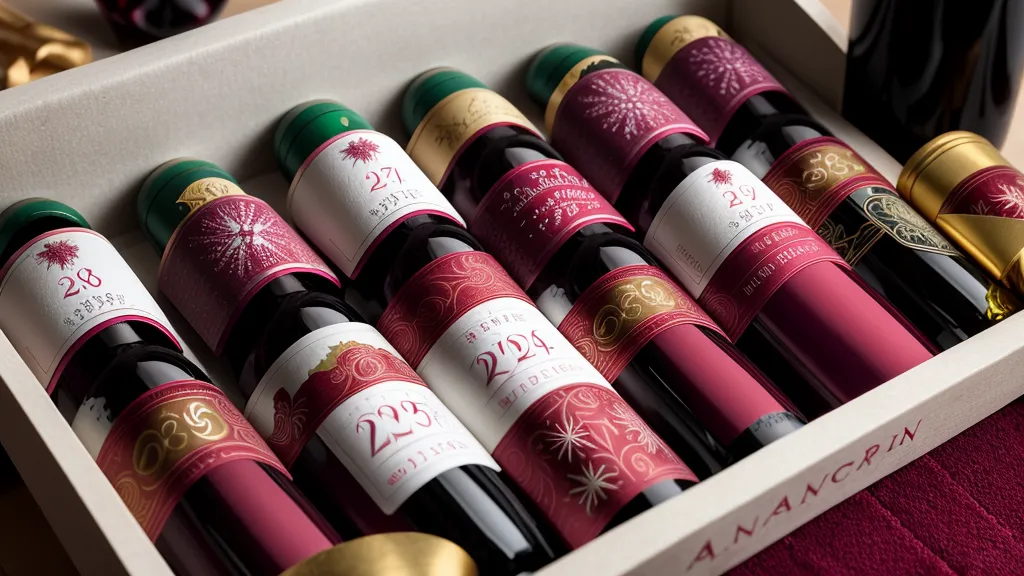
I've written separately about How to Use a Bourbon Concierge to Find Rare Whiskey Bottles, and the access logic carries over almost exactly to wine — you're paying for someone else's relationships and allocation, not just the bottle in the box. A high-end oaked Chardonnay through a source like that runs closer to a full night out than a weeknight pour, but the range from first sip to last is the same thing that makes a good Buffalo Trace or Weller pour worth chasing. Getting access to allocated bottles at all, bourbon or wine, is its own rabbit hole I won't fully unpack here — the short version is that relationships and patience beat luck almost every time.
The Sober Substitute in the Tuesday Rotation
Not every Tuesday calls for a full pour, oaked or otherwise. When one of the regulars in that rotation started cutting back, Sober Carpenter went into the fridge as the standing alternative. They run six styles — IPA, Irish Red, Blonde Ale, White Wheat, an organic session IPA, and a cider — so there's enough range that the stout drinker and the sour drinker in the group both have something to reach for instead of just going without. The Blonde Ale in particular carries a malty sweetness that does a decent job bridging the gap on a night when the Chardonnay stays corked.
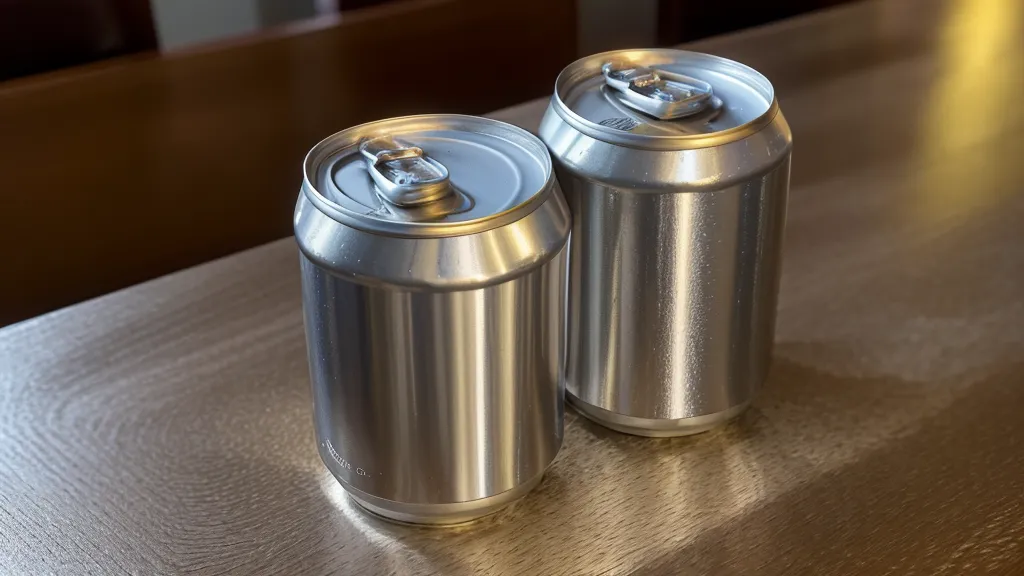
There's a longer piece to be written about rotating non-alcoholic options so they don't feel like a consolation prize, and this isn't really that piece — here it's just what sits in the fridge door next to whatever's open on the counter. Swapping between a heavy oaked pour and a Sober Carpenter can is less about health messaging and more about keeping a Tuesday night from turning into a Wednesday-morning problem.
What Do You Give When You Don't Know Someone's Palate?
Gifting is a different problem than stocking your own shelf, because you're guessing at a palate instead of building around your own. For anything formal — a wedding, a retirement — I point people toward Mano's Wine. They hand-etch and hand-paint bottles, plus carry officially licensed labels across five major sports leagues, which is a bigger draw here than you'd expect once basketball season starts. The wine inside is the supporting act; the bottle is what ends up staying on a mantel long after the wine's gone, the same way people hang onto an empty Blanton's topper. More on that in Custom Etched Wine Bottles for Special Occasions.
For something more casual, like a coworker thank-you instead of a milestone, Wine Country Gift Baskets covers a wider range, from somewhere around a steakhouse appetizer up to a full anniversary-dinner spread. Their Chardonnay picks tend to sit deliberately in the middle of the oak spectrum, not aggressively toasted and not bone-dry either, which is the safe move when you don't know if the recipient leans bourbon or leans crisp white. Sybil, three blocks over, texts before nearly every dinner party asking what to bring, then sends a photo of the receipt afterward just to confirm she grabbed the right one. That's roughly the threshold I use for whether a bottle's a keeper or a re-gift candidate: would I want that same photo texted back to me, or would it quietly end up in someone else's basket next month.
The Bottom Line for a Bourbon Drinker's Shelf
If you're deciding where to start, the short version holds up every time I've tested it: go oaked first. Look for those specific label words — buttery, toasted oak, barrel fermented, reserve — and you'll land close to the bourbon-adjacent side of Chardonnay almost every time. Keep an unoaked bottle around too, because there are nights, especially a sticky Kentucky summer evening on the Waterfront Park lawn, when the crisp, sharp version is genuinely what you want and a heavy oaked pour would feel like too much.
The clearest proof this isn't just my own palate talking: I poured an oaked Chardonnay for a neighbor at a Tuesday tasting, and three days later got a text asking for the bottle's name again because the sticky note it was written on had gone missing. That's a better review than anything I could write here about butter or oak.
Noreen, two doors down, is the reason there's a small wine rack clipped onto that pass-through shelf at all — she started showing up to Tuesday tastings a while back and never really left the rotation. Between her and whoever didn't get her bottle recommendation, oaked keeps winning the vote most weeks. If you're bourbon-first and wine-curious, start with a tasting calendar instead of committing to a full case, keep something non-alcoholic in the door for the nights that call for it, and don't be afraid to admit a bottle didn't work out. It's still less trouble than pretending you liked it.
The full lineup — In Good Taste's calendar, Bourbon Concierge for the allocated stuff, Sober Carpenter for the fridge, and the two gifting options — is broken down in the comparison right below this, if you want to see how they stack up before picking one.
| Product | Rating | |
|---|---|---|
| Bourbon Concierge Editor's Pick | 9.4 | Read More → |
| In Good Taste Wines | 8.9 | Read More → |
| Sober Carpenter | 8.7 | Read More → |
| Wine Country Gift Baskets | 8.3 | Read More → |
| Mano's Wine | 8.1 | Read More → |
Bourbon Concierge
Pros
- + Finds rare allocations you won't see in local Louisville shops
- + Personal service that actually understands a whiskey-drinker's palate
- + Small-batch focus ensures you aren't just buying grocery-store wine
Cons
- − Rare bottles mean you're paying anniversary-dinner prices
- − Shipping depends on state-specific alcohol laws