One Cabernet cost about what a fast-food combo runs and got abandoned by the second glass. The other was an obscure, low-production bottle nobody in my Tuesday tasting group could place on a map, and it disappeared down to the cork before anyone noticed it was gone. Price didn't predict either outcome. What predicted it was whether the wine had any real structure underneath the fruit.
Why Does Bargain Cabernet Taste Like Chewed-Up Cedar?
Cabernet Sauvignon is a thick-skinned grape, and thick skins mean more grip in the glass — that's about as far as I'll go pretending to understand the chemistry. That grip gets blamed on tannin, and I'll leave the full breakdown of what it's actually doing in your mouth to a different post on this site. What I can tell you is what a bad one feels like. A bottle a work contact passed along a few Decembers back puckered the back of my cheeks like dry cedar mulch, finished with a cloying vanilla note that reminded me of cough syrup, and half of it went straight down the kitchen sink.
Cheap, rushed Cabernet tends to get patched rather than fixed. A touch of leftover sugar covers the roughest edges, which is how you end up with a wine that manages to taste bitter and syrupy in the same sip — somehow the worst of both directions for a first-timer's palate. Grocery-shelf Cabernet gets treated like a starter wine because the name is familiar, not because the juice inside is actually built for beginners.
What a Four-Bottle Wine Tasting Taught My Group
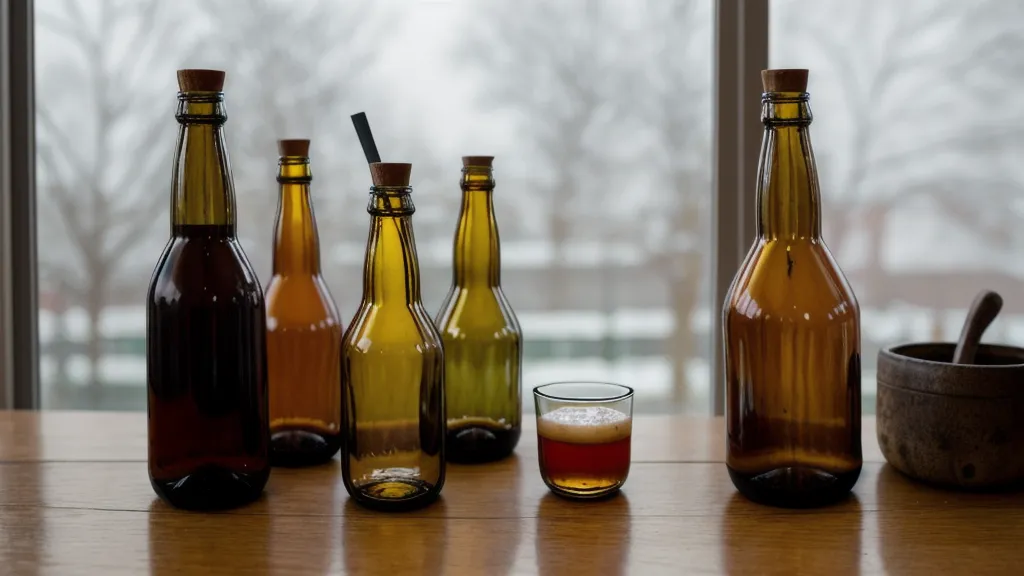
Wine doesn't have bourbon's patience. A bottle on my shelf will taste the same two years from now; an open 750 ml red is already sliding downhill by the next evening, oxidizing the second the cork goes back in. That's the whole case for splits — 187 ml bottles, a clean quarter of a standard bottle, enough for a real pour without three-quarters of a Tuesday red going flat before Thursday. If you haven't looked into the tiny-bottle method for wine discovery, it's worth doing before committing to a full bottle of anything unfamiliar.
Our group lined up four splits from smaller producers next to an obscure Columbia Valley bottle a coworker had mentioned, which let us compare cooler-climate fruit against a warmer valley side by side without anyone feeling obligated to finish a glass they didn't like. Pour order matters more than people expect — lightest-bodied first, heaviest last — though that's its own longer conversation. Glass shape and serving temperature moved the needle more than I expected too, enough that I now pay attention to both before pouring anything for the group.
Is More Grip Actually the Better Beginner Choice?
Most beginner guides steer people toward soft, low-grip reds — Merlot, a light Pinot, something that goes down like juice. My tasting notes on Cabernet vs Merlot get into that gap in more detail, but the short version is simple: if you want soft, buy Merlot. Cabernet stripped of its grip isn't really Cabernet anymore — it's like ordering a bourbon and complaining that it's too strong. The grip is the point.
In a well-made bottle from a region nobody's bidding the price up on — Paso Robles, a high-elevation block in Chile, a corner of South Australia that never makes the glossy magazines — that grip feels closer to a firm handshake than sandpaper. Pair it with something fatty on a plate, sharp cheddar or a cut of ribeye, and the hard edges round off within a few bites. I can't explain why that happens chemically. I just know it works close to every time I've tried it, and skipping the tannin entirely means skipping most of what makes the grape worth drinking in the first place.
The Pattern on My Shelf After Enough Tuesdays
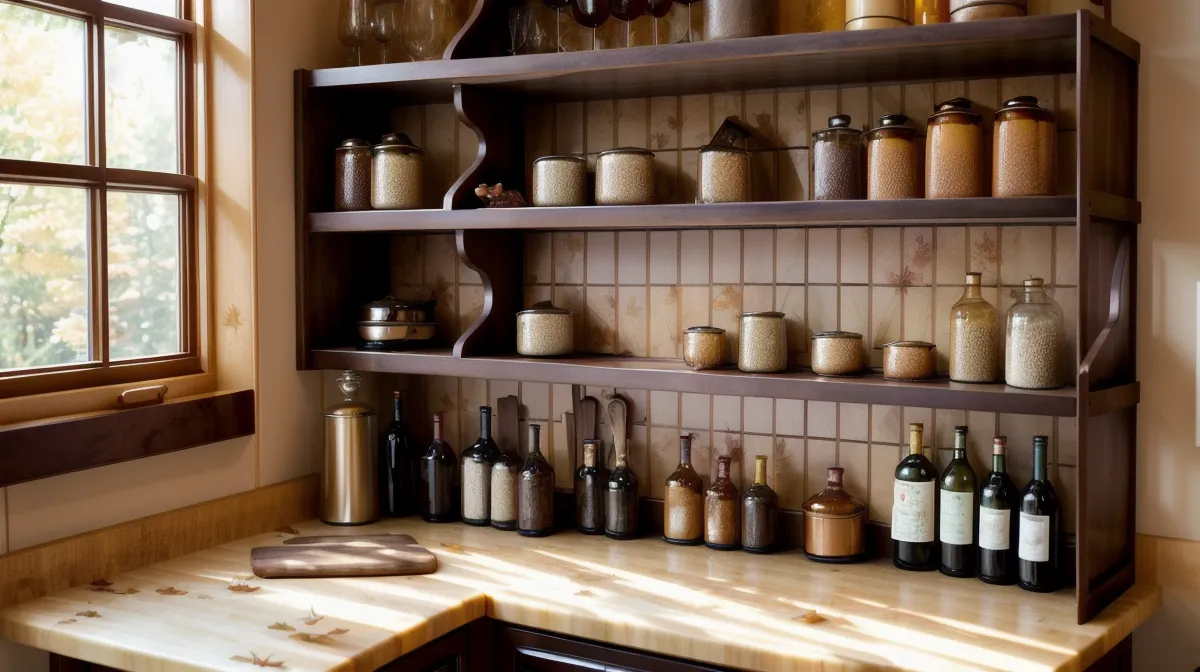
The shelf over our kitchen pass-through held three bottles back when I first started keeping track in 2018. These days it's closer to fourteen, and the ones that actually get finished are never the jammy, dessert-sweet pours. They're the dry, savory ones that taste like they meant something. That pattern got clearest after a Saturday walk around Paristown Pointe, once the bourbon-trail traffic backing up the interstate had finally thinned out, when I came home and poured a glass of an obscure Cabernet out of northern Mendocino County.
Back-label poetry promised blackberry, graphite, and cigar box, which is the kind of copy I've learned to shrug off by now. What actually happened: honest dark fruit up front, a brisk grip along the sides of my mouth, and a dry finish I was still turning over on the drive home, which almost never happens with the sweeter stuff. Gareth, who keeps a running spreadsheet of every bottle he's opened, tells me his own list shows the same pattern. Dry wins. Sweet gets abandoned by the second pour.
What Happened When a Wine Club Picked Bottles for Me?
Somewhere in there, I signed up for a wine club on a whim, mostly out of curiosity about what a subscription would actually send a bourbon guy. The first shipment was fine. The second arrived before I'd finished the first, three bottles deep, and I never got around to canceling before a third round showed up behind it. One of those Cabernets ended up wrapped in tissue paper and handed off to a neighbor as a hostess gift, still unopened. That's the real lesson of a club shipment: whether a bottle ends up in good taste on somebody else's counter or stuck behind the crackers on mine has a lot more to do with timing than with what's actually in the glass.
Picking the Next Bottle Without Getting Burned
A few things have held up across enough Tuesdays that I'd call them rules now. Skip the most famous valley names where land costs inflate every entry-level price, and look at places like Paso Robles, Lake County, Washington's Red Mountain, or Chile's higher valleys instead — the barrel aging is often just as real for noticeably less than a famous Napa label runs. Check the alcohol percentage before you buy: anything creeping past 15% ABV in a warm-climate Cabernet tends to run hot and jammy, where something sitting closer to 13.5–14.5% usually keeps enough acidity to make the tannins feel refreshing instead of exhausting.
Sampling before stockpiling saves money and regret both. Opening a full 750 ml bottle just to learn you dislike the style is an expensive way to find out, and looking into wine tasting kits designed for home discovery lets you sample several regions without committing to full bottles of each. Give whatever you land on ten minutes of air before judging it — even a simple red opens up once the tightest tannins soften. And if you're ordering online instead of buying off a local shelf, check your state's direct-shipping rules first, because that part of the business is stranger and more local than most people expect.
I'll say the obvious part too: I'm not a sommelier, I don't hold a tasting certificate, and I have no medical training. Alcohol affects people differently, so drink in moderation and talk to an actual doctor if you've got health questions about it.
None of this requires a cellar full of dusty vintages or a wine education you don't have time for. It just requires skipping the myth of the harmless, perfectly sweet pour, picking something with real structure, and giving it a few minutes to breathe before deciding you don't like it. Your call, though. I don't know what to tell you if cherry cough syrup is genuinely your thing.