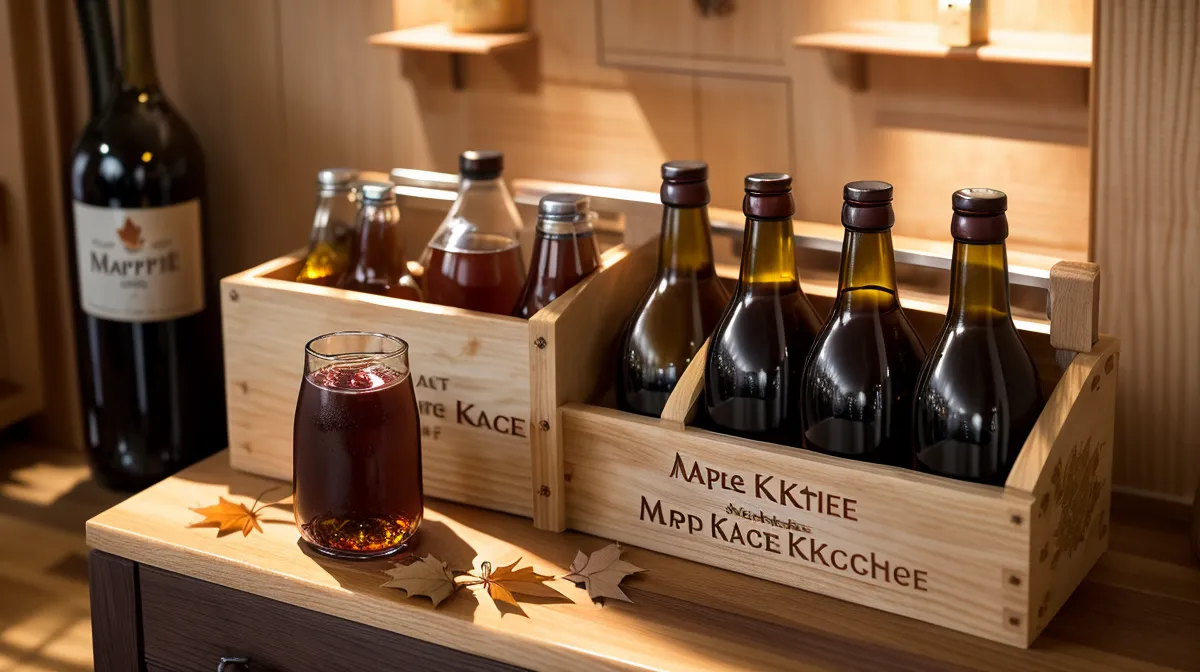
One evening last winter, I stood at the kitchen pass-through looking at my bourbon collection and realized half the guests coming for dinner weren't drinking. I had the heavy hitters ready—the bottles I usually save for people who know their way around a rickhouse—but for the neighbors who were taking a break, I had a half-gallon of orange juice and some tap water. It felt like I was treating them as an afterthought, which is the last thing you want when you're hosting in Louisville.
Before we go any further, I should mention that a few of the shops and brands I talk about here, like the bourbon retailers and those wine tasting calendars, send me a commission if you end up buying through my links. It doesn't change your price at all. I’ve spent eight years slowly filling these shelves with my own paycheck, and I only keep what actually gets finished on a Tuesday night. I’m not a doctor or a nutritionist—just a guy who manages logistics and likes a good pour. Check with your own doctor if you’re making big health changes, and always double-check your state's shipping laws before you hit 'buy'.
I needed something that felt like a host's choice. I wanted the weight of a standard wine bottle—that 750ml glass feel—without the 14% ABV that usually comes with it. My wife's book club had been bringing over labels I couldn't pronounce, and one of my Tuesday tasting buddies had recently started bringing Sober Carpenter cans to the table after he decided to get serious about cutting back. I realized my 'liquor store logic' for bourbon—where you just look for the highest proof or the oldest age statement—didn't translate at all to finding a decent non-alcoholic wine.
The Learning Curve: From Hops to Grapes
I’ll be honest, I have no idea what tannin is officially supposed to taste like. To me, it’s just that dry, puckery feeling you get on the sides of your tongue, kind of like if you chewed on a tea bag. When I started looking into NA wines, I found out there's a huge difference in how they're made. Some use reverse osmosis, which sounds like something I’d deal with at the warehouse, while others use vacuum distillation. From what I’ve gathered, the vacuum method preserves more of those delicate smells—the aromatics—because they don't have to heat the juice up as much.
I tried one bottle from a grocery store gift basket—a Malbec that I’m pretty sure was just grape juice with a fancy label—and it lasted exactly one Tuesday before I poured it out. It was too sweet, like something you'd give a kid at a birthday party. That's when I started looking for the 'allocated' stuff, the bottles that actually try to mimic the structure of a real wine. You can read more about my early struggles in The Evolution of My Kitchen Pass-Through.
Testing the Waters Without Committing
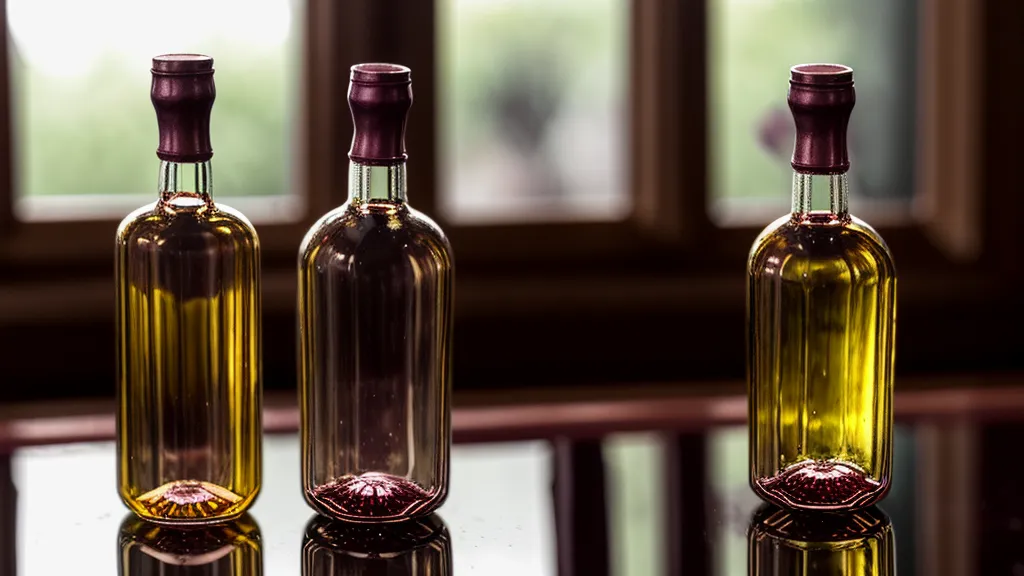
Last spring, during one of our Tuesday sessions, I realized I didn't want to buy a whole case of something I might hate. I found this discovery box from In Good Taste Wines that had a wine tasting flight count of 24 mini bottles. It was a low-commitment way to figure out if I actually liked a California Cabernet or if I was more of a French Rose guy when the alcohol was removed. It reminded me of those 24-bottle advent calendars, but for people who actually want to learn the regions.
Each of those mini bottles is just about a standard wine pour size—roughly 5 ounces. It’s enough to get the vibe of the wine without feeling like you've wasted a whole bottle if it tastes like wet hay. I’ve learned that a good dinner party isn't about the ABV; it's about the story behind the bottle. If I can tell a guest that this specific juice was dealcoholized using a vacuum process to keep the floral notes intact, it feels like I’m actually hosting, not just serving.
What I Actually Noticed
When I sat down with those mini bottles, I noticed that the whites and roses usually fared better than the heavy reds. The reds are harder to get right because you miss that 'burn' of the alcohol that usually balances out the fruit. But when you find one that hits, it’s worth it. It’s about the cost of a steakhouse appetizer to get one of these tasting kits, and it saved me from buying a dozen full-sized bottles of stuff that would have just sat on the shelf collecting dust alongside my failed experiment with a pink-cheese gift basket a coworker gave me once.
Finding the Rare Allocations
As I got deeper into this, I realized that shipping rare bottles wasn't just for high-end bourbon anymore. I’ve been using Bourbon Concierge for a while to find things I can’t get at the local shops here in Louisville—you know, the stuff that usually stays behind the counter. They’re a small family-run shop in D.C., and they actually pick up the phone. It turns out, that same mentality applies to the high-end non-alcoholic world. If you want something that doesn't taste like a soda, you sometimes have to look toward the shops that treat their inventory like a collection rather than a commodity.
I’ve traded back a few allocations to friends in the past—mostly ryes that were too spicy for my wife—but finding a solid NA bottle feels like a bigger win because it’s so unexpected. You can check out my notes on some of those harder-to-find pours in Beyond the Bourbon Shelf: My Late-Autumn Discovery Notes. It’s a different world than the MGP Ingredients stuff you see everywhere in the bourbon world; these NA wines are often small-batch projects from people who really care about the science of de-alcoholization.
The Presentation Factor: Custom Labels and Craft Cans
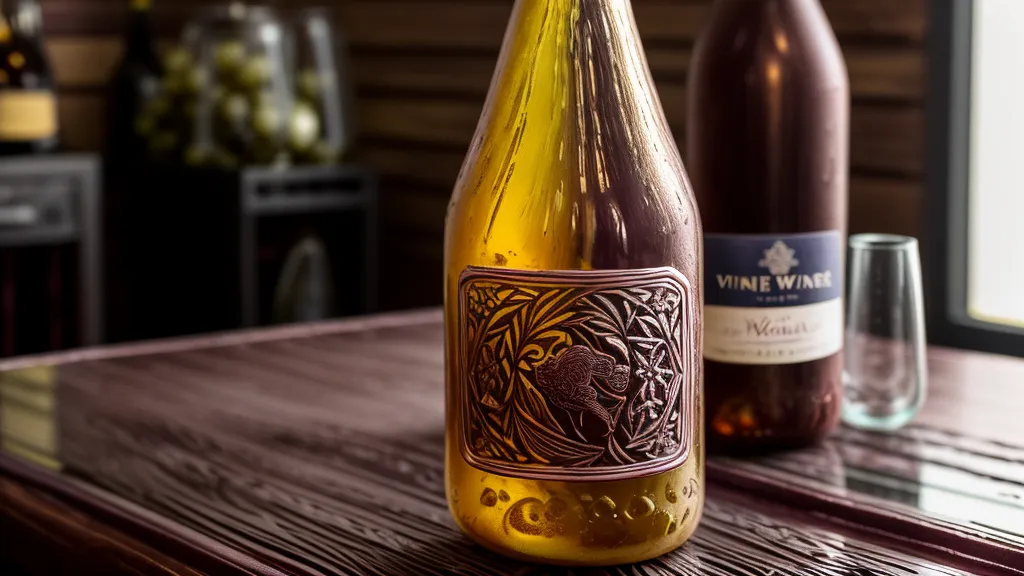
By late August, right before the school year started, we had a neighborhood cookout. The Ohio River fog was already starting to roll in early in the mornings, but the evenings were still hot enough to merit something cold. I decided to pull out all the stops. I had some custom-labeled bottles from Mano's Wine—I’d had them etched for a friend’s retirement—and I filled the cooler with Sober Carpenter craft cans.
What I noticed was interesting: when the bottle looks expensive and the labels are hand-etched, people treat the drink differently. They don't just gulp it down like a soda; they sip it. They talk about it. The legal limit for these to be called 'non-alcoholic' is 0.5% ABV, which is basically the same amount of alcohol you’d find in a very ripe banana. But when you serve it in a heavy glass with a 5-ounce pour, it feels like a celebration.
I also kept some Wine Country Gift Baskets on hand for the folks who brought over those 'thank-you-for-hosting' casseroles. It’s a reliable way to have a variety of snacks and a decent bottle ready to go without having to think too hard about it. Sometimes, you just need a crowd-pleaser that arrives looking exactly like the photo on the website, especially when you're busy managing a logistics floor all day. For more on how I balance the 'real' stuff with the NA options, take a look at From Rare Pours to Mini Pours: My Year Navigating the Kitchen Pass-Through.
Final Thoughts from the Pass-Through
I’ve learned that my 'dry' shelf now gets as much respect as my bourbon shelf. It’s not about the alcohol; it’s about the ritual of pouring something special after a long day. Whether it's a discovery set that lets you travel to France from your kitchen counter or a rare bottle shipped in from D.C., the options for hosting have never been better. If you’re looking to stock up for your next dinner party, I’d suggest starting with a discovery kit to see what your palate actually likes before you commit to the full-sized bottles.
Your call on how you want to fill your shelf, but for my money, having a bottle of something unique from Bourbon Concierge or a set from In Good Taste Wines is the way to go. It shows your guests that you’re paying attention, which is really what being a good host is all about. Drink reasonably, keep an eye on those shipping rules, and I’ll see you at the next tasting.