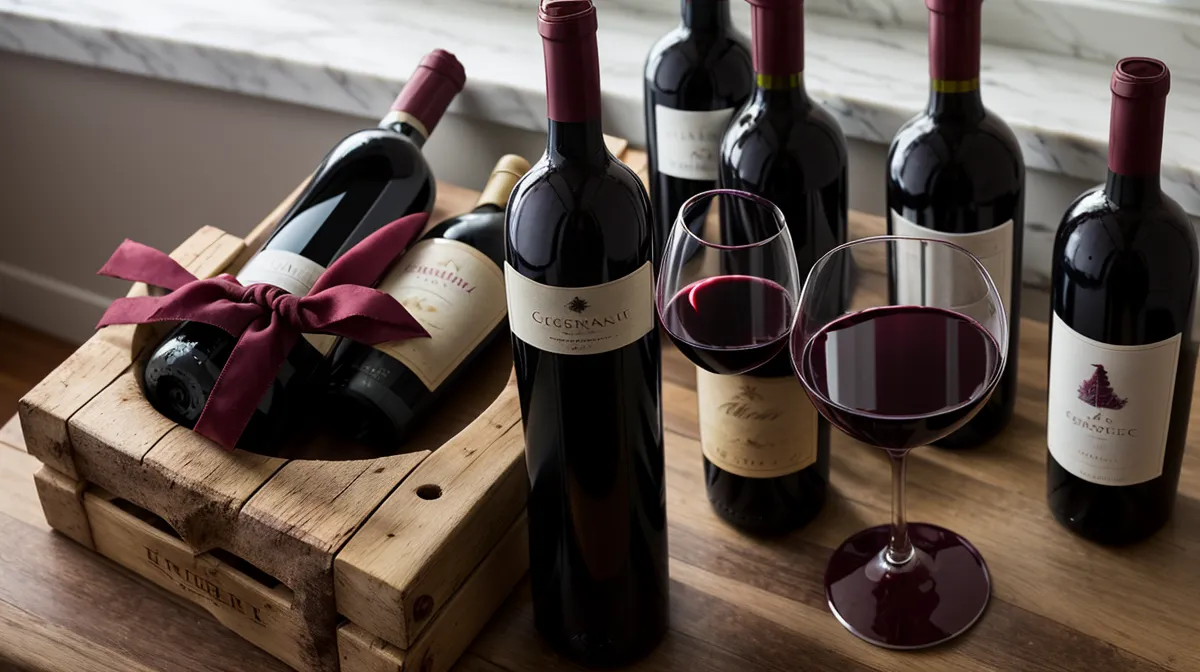
A real Cabernet keeps gripping the inside of your cheeks for about three seconds after you swallow, versus a Merlot that lets go almost the moment it's down. That gap is the fastest way to identify what's actually in the glass at a red wine tasting without reading the label first, and it's the reason this particular pair confuses so many beginner wine drinkers. Cabernet Sauvignon and Merlot get lumped together as "the two easy reds," but they behave nothing alike once they're actually in your mouth, and the difference has almost nothing to do with vocabulary.
What Actually Separates a Cabernet from a Merlot?
Most breakdowns of wine basics start with soil types and vintage charts, which is exactly the kind of thing that makes people give up before the second sip. A simpler approach works better on a Tuesday night: run each wine through four checkpoints — how it grips, how heavy it feels, how much it changes sitting in the glass, and whether the label is actually telling the truth. Cabernet Sauvignon's own family tree runs back to Cabernet Franc, for what that's worth, though nobody at a dinner table has ever picked a wine because of its grandparents.
The single biggest gap between the two grapes comes down to tannins — call it grip, call it dryness, whatever fits, because you can feel the difference before anyone ever explains the word to you. Beyond that one sentence, the mechanism doesn't matter much for a Tuesday tasting; what matters is what your own gums report back.
Grip Tells You Almost Everything, Weight Tells You the Rest
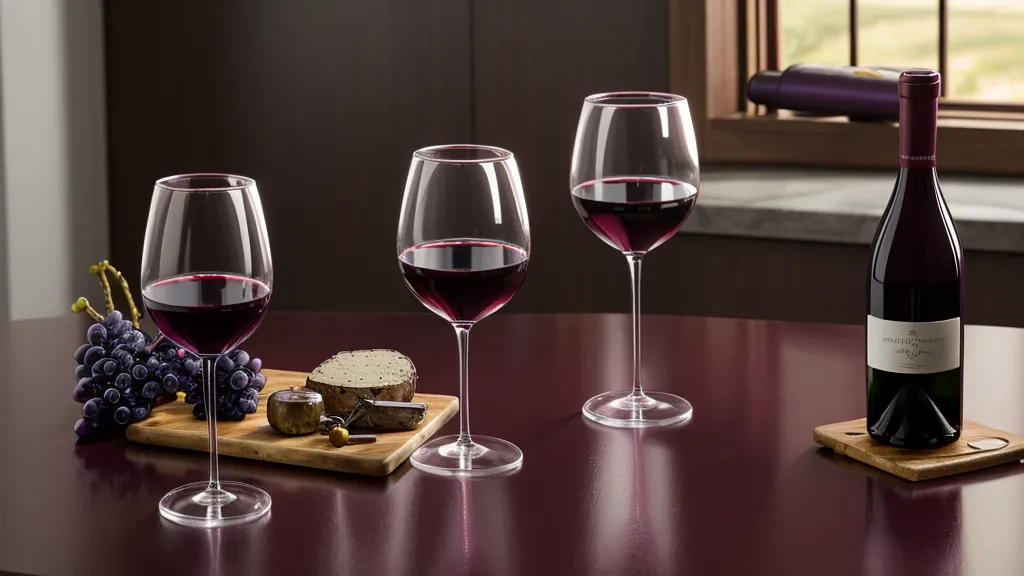
Pour a real Cabernet and a real Merlot side by side and the grip shows up almost instantly, on the sides of the tongue and the back of the gums, sturdy and a little dry — like sitting up straight in a hard chair instead of sinking into a couch. Merlot skips that part almost entirely and goes straight for the middle of the tongue instead, a plush, plum-heavy wash with nothing holding onto the sides. Neither one is better; they're just built differently, and once you've felt both back to back, the label stops being necessary.
Weight is the second checkpoint, and it shows up as warmth more than flavor. A Cabernet with more alcohol behind it sits heavier on the tongue, closer to whole milk than skim, and it lingers in the back of the throat on the finish. Merlot tends to run lighter and rounder, which is exactly why it gets written off as the "starter" wine — it isn't simpler, it's just carrying less weight. Some Merlots outdrink a heavy Cabernet by every measure except how much they demand from you up front.
The Label Only Tells Part of the Story
A bottle labeled Cabernet Sauvignon or Merlot is a starting point, not a promise — plenty of Merlots come out firmer than plenty of Cabernets once winemaking style and blending get involved, which is exactly where the name on the label stops guaranteeing what's actually in the bottle. I tried to shortcut all of this once with a tasting app that scored bottles automatically, and it kept recommending wines that weren't sold anywhere in Kentucky, which made the whole exercise useless inside a week. Trusting my own gums over a screen turned out to be the more reliable system, if a slower one.
If you're coming at this from the bourbon side of the shelf, I put together some notes a while back on the best red wines for bourbon drinkers transitioning to the vine, and the grip-versus-wash split covered here is most of what makes that list make sense.
Merlot's Glass-Time Difference
Merlot moves more than Cabernet does once it's poured, which is the part most beginner guides skip. A Merlot that tastes flat and a little muddy straight out of the bottle can turn into something completely different after ten or fifteen minutes sitting in a wider glass — same wine, different experience, no decanter required.
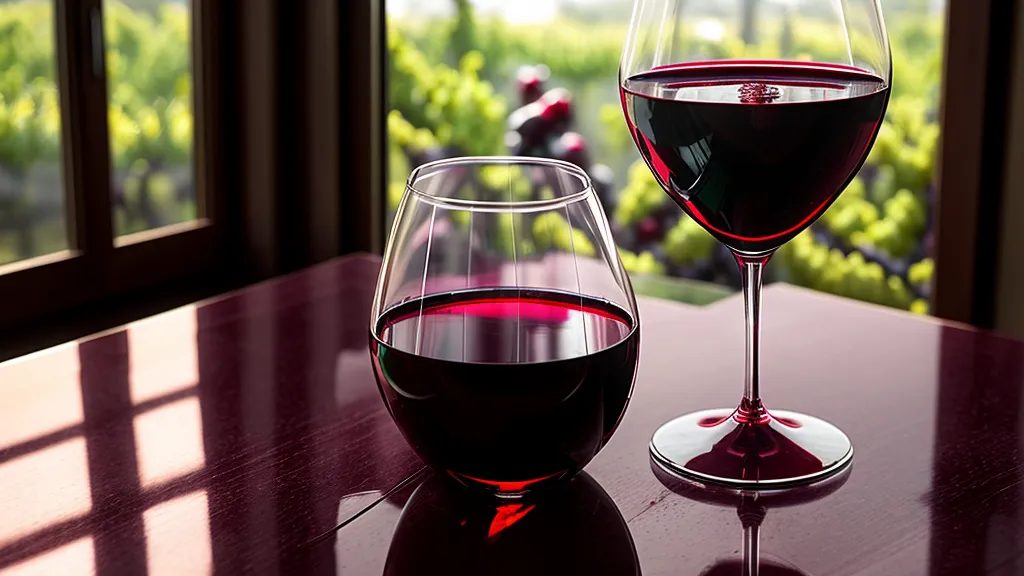
Cabernet barely bothers with any of that; its structure holds up fine even poured into whatever's closest at hand, a coffee mug at a campsite included. That difference alone explains why so many people write Merlot off after one bad glass and never give it the room it actually needed. Pour it into a glass that's too small and cramped, and it never gets the chance to show the plum-and-cherry side that made someone recommend it in the first place.
Matching the Bottle to the Night
Once the four checkpoints are second nature, picking a bottle stops being guesswork and turns into matching the wine to what's actually happening at the table. Steak off the grill calls for the grip — Cabernet cuts through the fat the way nothing else at the table does. A porch evening with a cheese board wants the wash instead, so Merlot goes in the glass and nobody has to work for it. Your call which one wins on any given night; I just don't serve Cabernet to a table that didn't ask for a fight.
Not every bottle earns a second pour. A Cabernet that showed up in a gift box after a co-worker's retirement party tasted like green bell pepper and wet gravel, cost about what you'd pay for a nice steakhouse appetizer, and never got past the first glass — it went home instead with a neighbor of mine who spends most weekends building custom cedar shelving in his garage and doesn't seem to mind a rough pour. Underripe Cabernet tastes like that more often than the bottle shops let on, and no amount of grip makes up for it.
At the Germantown Saturday market a few weeks back, I grabbed a second Merlot off the table without even glancing at the price tag, more interested in whether it would grip or wash than what it cost. Either way, the four checkpoints hold up whether you're standing at a market table or staring down two open bottles somebody left behind after book club: grip and weight tell you what you're holding, the glass tells you if it needs time, and the label only gets you part of the way there.