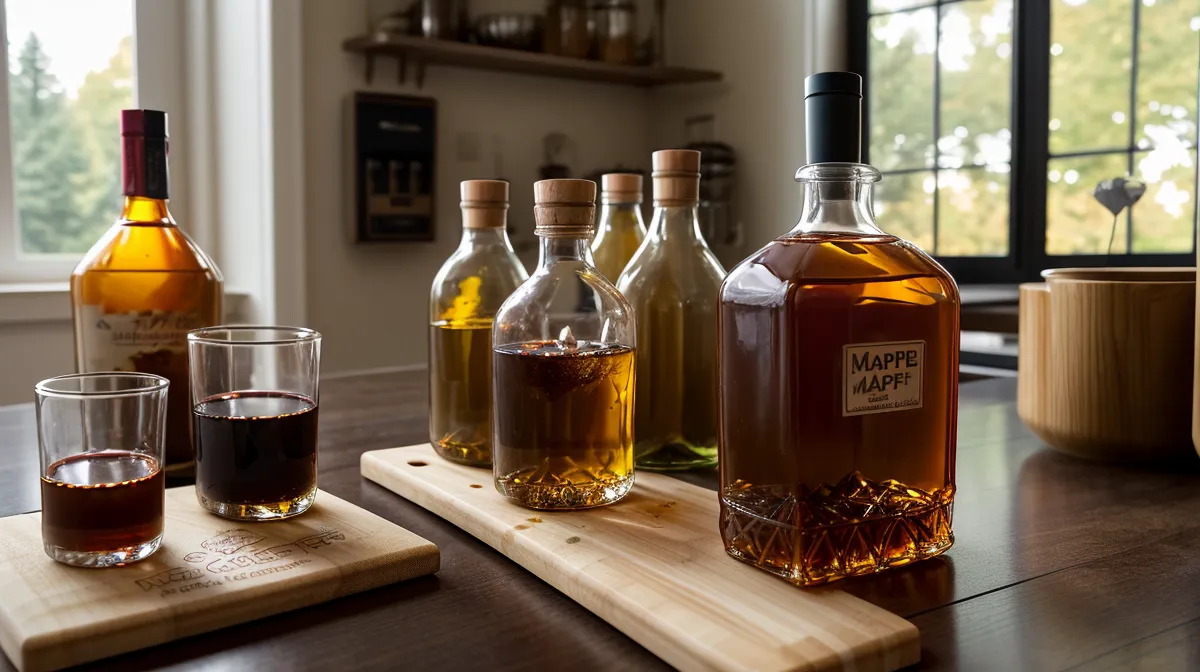
Four half-finished bottles sat on my kitchen counter, quietly oxidizing, and none of them had been cheap. One was a region in France I still can't pronounce, another was a Napa Cabernet worth about a steakhouse appetizer or two, and I'd tried to save the Cab overnight with a rubber stopper from the junk drawer. By morning it tasted like a copper penny instead of dark fruit. That's not really a wine tasting failure so much as a single-serve wine problem I hadn't solved yet — too much bottle, not enough drinkers who wanted the same thing.
Heads up on where the money comes from: a few of the bourbon retailers, wine calendars, gift-basket sites, and non-alcoholic brands linked through this piece pay me a small commission if you order through the link, at no extra cost to you. The shelf over my kitchen pass-through got built one regular paycheck at a time, and a bottle earns its spot by surviving a Tuesday tasting with my neighbors, not by cutting me a check. If something didn't survive, I'll say so below. Check your own state's shipping rules before you order anything — they're not the same everywhere, and I'm not a lawyer.
Single-Serve Wine Bottles for Small Tastings
Short answer: only if your table doesn't agree on one grape. Louisville runs on the flight mentality — walk into a decent bar downtown and nobody hands you a full bottle of hard-to-find bourbon before you've had a taste. You get three or four small pours first. Wine doesn't usually work that way. The industry wants a full 750ml commitment every time, which is fine if six people all want the same red and useless if half the table wants white.
A standard bottle gives you about five 5-ounce pours. Two people wanting red and three wanting white means someone drinks something they don't love, or the leftovers go down the drain the next morning. That's the math that got me looking at 187ml splits — a quarter of a standard bottle — to build something closer to a tasting flight than a wine commitment. Single-serve wine solves exactly the problem a full bottle creates for a mixed table.
A Full Bottle Wastes More Than the Math Suggests
Every bottle that doesn't get finished by Wednesday is a bottle I'm deciding whether to keep pouring from, dump, or hand off to whoever's leaving my place next. There's a point where a half-empty bottle crosses from worth finishing to worth re-gifting before it turns — I won't get into exactly where that line sits, since that's its own conversation I've had elsewhere, but the minis skip the question completely because there's nothing left to decide once the glass is empty. It's the same reasoning I use picking a mid-shelf bourbon over something rare: the goal isn't the biggest swing, it's the one that actually gets finished.
The Anatomy of a 24-Bottle Wine Tasting Calendar
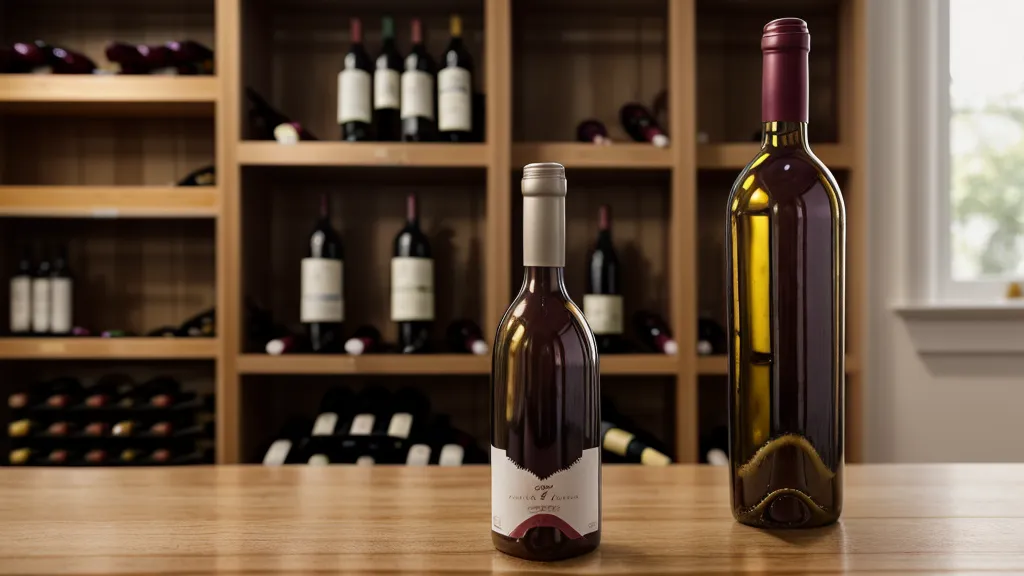
The In Good Taste tasting calendar is where I actually tested this. It ships two dozen individual mini bottles in one box, which is a lot of glass to have out on the pass-through at once. What got everyone's attention wasn't the smell or the color — it was the sound. Twenty-four tiny screw caps clicking open across the table sounds more like a Little League concession stand than a formal tasting, and that took the pressure off immediately. Nobody reached for words like "structured" unless they wanted to.
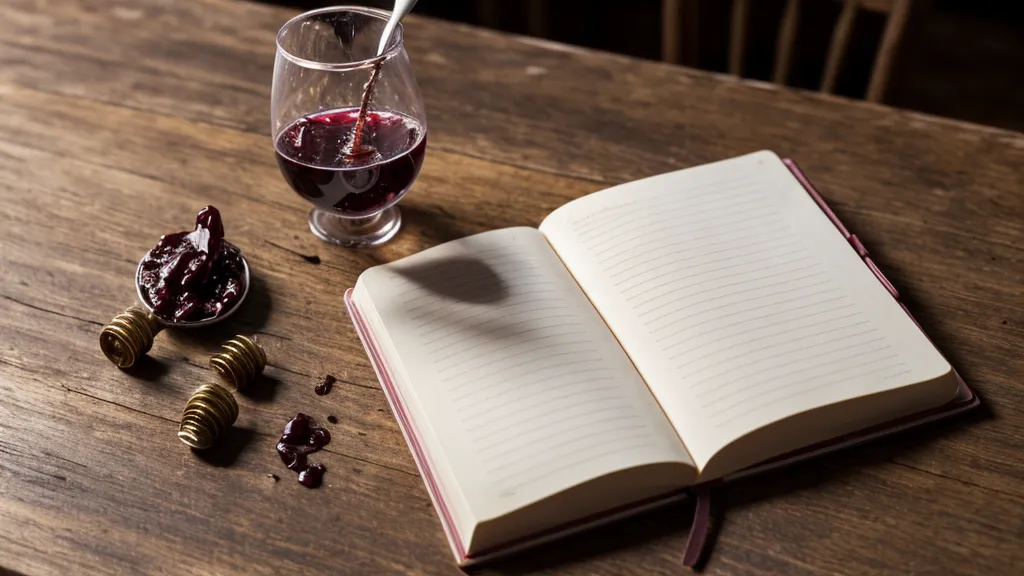
Tasting cards inside the box are the real reason it worked for people who don't usually think about wine. I still couldn't tell you what a bourbon is supposed to smell like beyond "bourbon," but a block-8137c7 telling me a certain Italian white might smell like green apple gave everyone a place to start. Reading a block-8137c7 like that is basically the same skill as reading a wine label, just with smaller print. Noreen, who lives two doors down and has strong opinions about which glass actually matters for a pour this small, still argues the cards do more work than any glass shape ever will. These smaller formats also work as some of the best wine tasting kits for beginners for exactly that reason — the fear of ruining an expensive bottle disappears when the bottle only cost what it cost.
How Mini Wine Bottles Age After Opening
Not really, and the marketing around these minis won't tell you that part. Wine collectors keep big 1.5-liter magnums for aging because of the surface-to-volume ratio — less wine sits close to trapped air relative to the bottle's size. A 187ml bottle flips that ratio the wrong way, so the wine oxidizes faster once the cap's off. Great for a Tuesday, bad for a shelf you're saving for later.
I noticed the more delicate reds in the 24-pack lost their aromatic edge within twenty minutes of sitting open, faster than the same wine would from a full bottle. A few of them lean tannic enough to dry out your mouth if you let them sit around waiting for someone to notice, which is its own subject I'm not going to unpack here. My rule now: pour it, swirl it, drink it, don't let it linger through a whole argument about college basketball. Whether decanting even makes sense for a pour this small is a fair question, and honestly, probably not worth the extra glassware. If you want something that can sit open for months without flinching, that's what joining a bourbon of the month club is for — bourbon just doesn't punish you the way wine does for leaving it out.
Mixing Wine, Bourbon, and a Non-Alcoholic Pour in One Flight
The real shift happened when one of my regular Tuesday guys got serious about cutting back on the heavy stuff and started bringing Sober Carpenter into the rotation. It's a non-alcoholic craft beer that actually reads as beer in the glass, not a cleanup-aisle substitute pretending otherwise. Having the minis on hand meant we could build a genuinely mixed table — a 187ml pour of a French rosé next to his non-alcoholic IPA next to something I'd sourced through Bourbon Concierge for a guy chasing an allocation he couldn't just walk into a Louisville store and buy.
Swapping in a non-alcoholic pour partway through the night, instead of announcing it at the door, keeps things low-key for whoever's cutting back that week. Nobody's over-served, nothing gets wasted, and I'm not opening three full bottles to satisfy three different palates. Sometimes the same table has a rye poured next to a bourbon, and no, those aren't the same spirit, but that's a different rabbit hole. I've written more on the actual best red wines for bourbon drinkers trying to branch out without losing the bold flavor they're used to — that's the fuller bourbon-to-wine crossover, and this piece isn't trying to repeat it.
One caution here, since I said I'd flag the misses: I once bought a bottle a listicle swore was a top pick, expecting it to be great neat, and it turned out too sweet to drink without ice. Small-format tastings are exactly how you avoid committing to a full bottle of something you might not like — wine or bourbon.
Gift-Basket Minis for Tasting Parties
Not for a tasting, no. A coworker once sent over a basket similar to what you'd find at Wine Country Gift Baskets, though the baskets there are usually assembled with more care. Mine had two mini bottles and a block of pink cheese, and the wine was clearly the supporting act to the ribbon and the wicker. It didn't survive past the first Tuesday. If you're hosting a tasting, buy the wine for the wine.
Gift-basket minis do have a place, just not at the tasting table. My neighbor Sybil, who texts before most of her dinner parties asking what to serve, always wants to know if a bottle is safe to give as a gift before she cares what it tastes like. The clearest sign a gift bottle landed well isn't a thank-you block-8137c7 — it's someone texting three days later just to ask what the wine was called, no thank-you note attached, because they already finished it and want more. If you want something built for that moment specifically, Mano's Wine does custom labels for a wedding favor or a retirement gift, where the label is doing more work than the wine inside ever will.
Hosting a Pass-Through Tasting Without Making It a Production
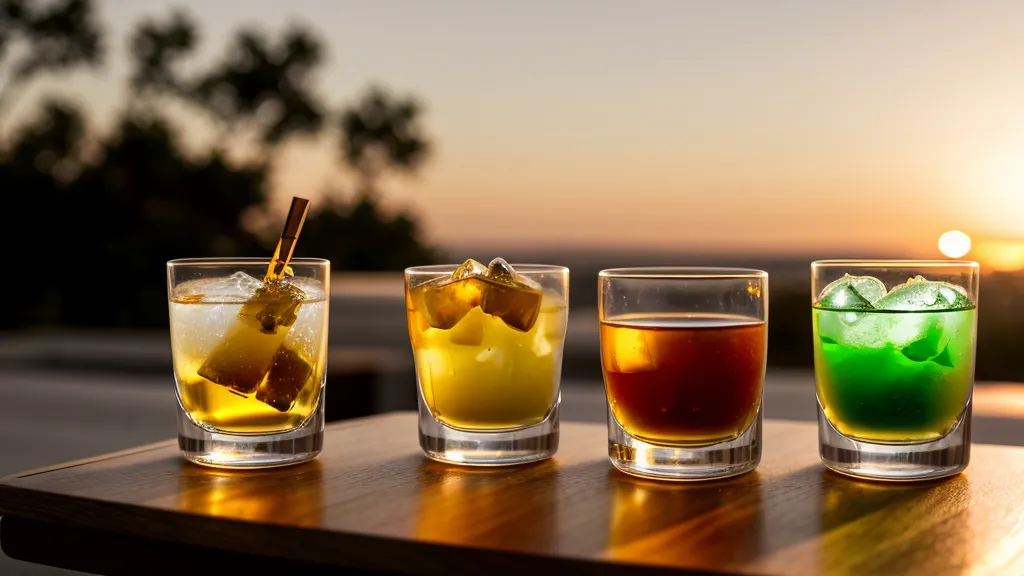
Setting this up now takes less thought than it used to. I keep a stack of clean glasses ready and a bowl of ice nearby, not for the bourbon, just to keep the white minis cold. People try something new faster when the cost of entry is a small glass they can finish in ten minutes instead of a full pour they feel obligated to finish.
In summer, the same minis travel a lot better than a stack of open bottles would — I've packed a handful into a bag for an evening on the Waterfront Park lawn without worrying about what happens to the rest of an open bottle overnight. That's the same logic behind building an actual flight instead of opening eight full bottles for five people, which is the approach I get into in more detail when I wrote about how to host a casual bourbon tasting for neighbors — the tasting-flight order matters whether you're pouring bourbon or wine. And before you order anything for a party like that, double check your state's direct-shipping rules, because they're not consistent from one state line to the next.
The Per-Ounce Math Still Favors the Mini
I'm not a doctor, so I won't tell you drinking less volume changes your life, but my head feels clearer on Wednesday mornings since I started doing this. If you're changing habits for health reasons, that's a conversation for your own doctor, not a wine blog. For me, the smaller pour is just common sense on a Tuesday.
The next time four half-empty bottles are staring back at you from the counter, the mini is worth considering before you buy another full one. It might run a little higher per ounce, but the lack of waste evens that out by the time the box is empty. If you want to start your own flight, grab the In Good Taste Tasting Kit and see which of your neighbors actually finishes the glass — that's the only score that matters anyway.