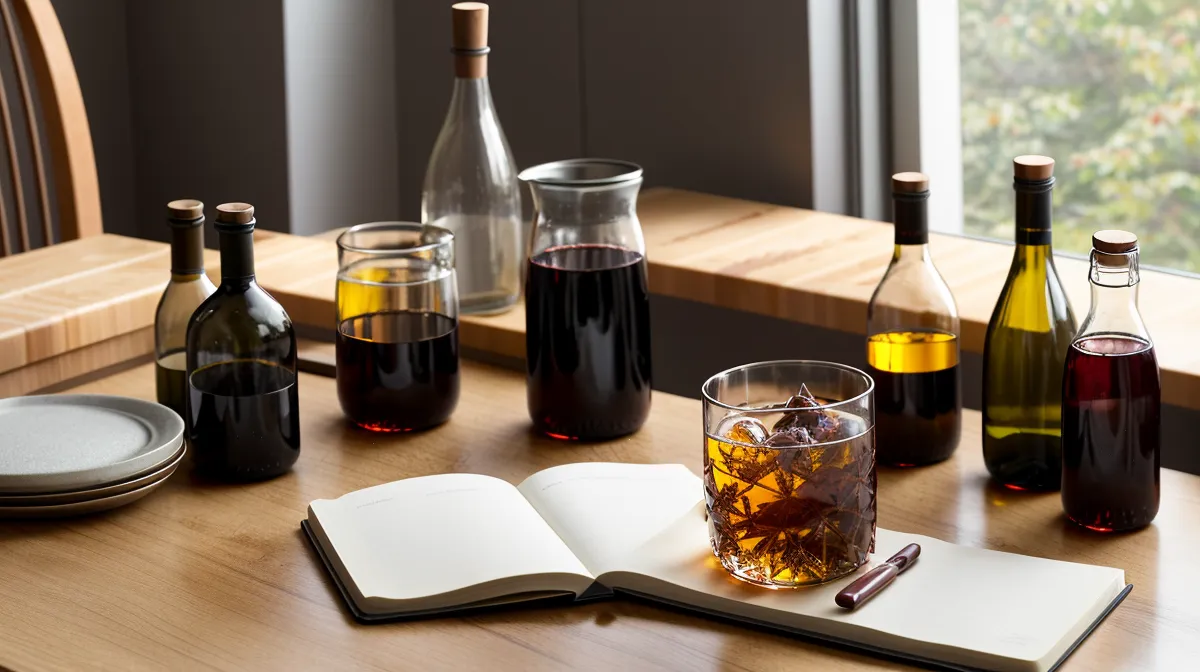
A bone-dry rosé poured for a table of rye-and-bourbon drinkers gets one polite sip and then sits there until somebody quietly swaps it for water. I've watched that exact scene play out enough times at my house to stop blaming the wine for it. The standard advice for easing someone from a bourbon tasting into wine education is to start them on something light and gentle, since that supposedly feels like the safer on-ramp. That advice is backwards, and it's the reason half the bottles meant to teach somebody something new end up getting poured down the drain instead of finished.
Here's the part that took me a while to get: delicate doesn't mean easier, it means invisible. A palate trained on a hundred-proof pour doesn't register a soft pinot the same way. It just reads as flavored water and gets set aside. What actually works is matching weight for weight. The crossover from bourbon to wine was never really about matching flavors at all; it's about matching how much the wine pushes back. Hand someone a red with real oak and real grip, something built with the same backbone as what's already on their shelf, and the whole conversation changes.
Starting Light Doesn't Work
Picture the scene: a room full of rye-and-bourbon guys poured something bone-dry and delicate, watching three grown men take an identical sip and reach for the water pitcher at the same time. Rye and bourbon aren't even the same grain bill, which is its own argument, but the rye-only guys get just as lost in front of a wine rack as anybody drinking bourbon. It wasn't that the wine was bad. It just had nothing in it their mouths recognized as worth paying attention to. The proof gap between a cask-strength pour and a soft, low-alcohol wine is its own rabbit hole I'm not getting into here, but the short version is a palate built on high-proof bourbon needs a wine with comparable intensity, not less of it.
The Oak-First Swap
The fix was switching what I reached for, not how much of it I poured. A big red with serious oak influence gives a bourbon drinker something to hold onto, the same backbone he already knows from a glass that's spent years in a barrel. Bourbon whiskey gets its structure from the barrel it ages in, and a wine that leans into that same oak does the heavy lifting a delicate pour never could. That's not some wine-geek theory I picked up secondhand. It's just what happened the first night I stopped reaching for anything labeled "light and crisp" and grabbed something with real weight instead.
That grip you feel on the sides of your tongue after a sip is the same sensation whether it comes from a high-tannin rye or a big Cabernet. People call it tannin structure, and you don't need the textbook definition to recognize it when it shows up. I've got no real interest in explaining where it technically comes from. What matters at the table is that it's the same handshake, just from a different bottle.
One guy actually stopped mid-sentence the last time I tried this, went quiet, and just stared down into the glass like it had said something back to him. That's the reaction I'm after now, not polite nodding.
Hosting a Pour That Survives the Table
Most of what ends up in rotation comes from the same wine shop in the Highlands on Bardstown Road, not some specialty list I had to go chasing. Mid-shelf bottles do this job fine. You don't need an allocated unicorn to make the point, which is good, because I spent the better part of six months following an allocation thread on a bourbon subreddit looking for exactly that and came up with nothing but a wasted evening habit. Reading a wine label well enough to guess at the weight before you buy it is a skill of its own, and it's worth more here than knowing which allocated release is dropping this month.
I've written separately about balancing the kitchen pass-through when you've got bourbon guys, wine people, and somebody working through a non-alcoholic rotation all in the same room, and figuring out the order you pour in matters more than most people assume going in.
A Cabernet that showed up in a gift basket after my niece's wedding never got opened at my house. It went straight into the bag for the guy who's run a Friday night poker game since 2011, and I honestly don't know if he ever cracked it or just passed it along again himself. There's a real line between a bottle worth keeping on the shelf and one that's better off as somebody else's gift, and a bottle meant to stay sealed as a keepsake is a different conversation entirely from one meant to get poured and finished. Whether you decant the big red before it hits the table, how long a bourbon holds up once it's opened, whether your state will even let a shop ship the stuff to your door are each their own headache, and not one I'm solving in the same breath as this one.
Tasting Notes Get in the Way
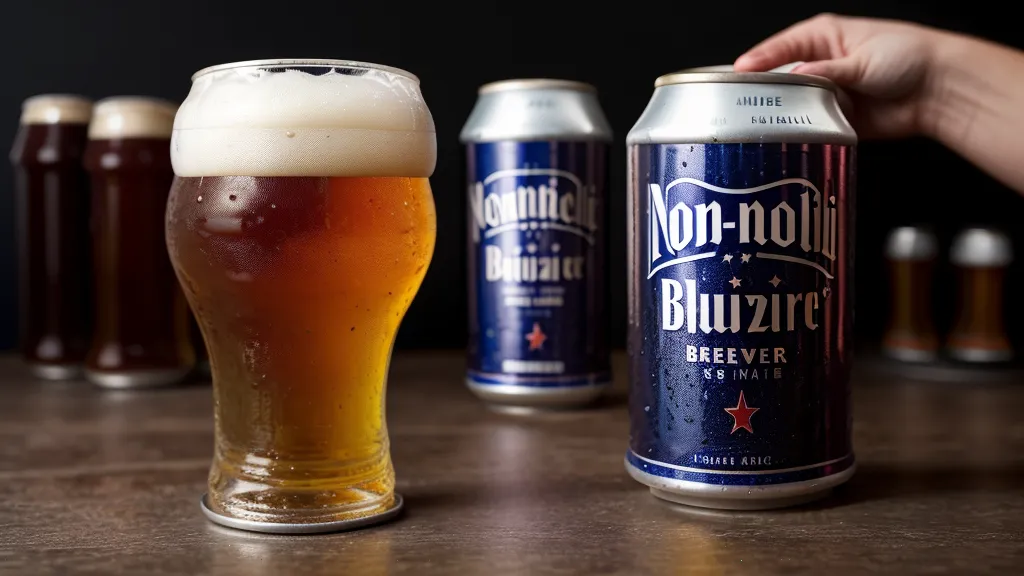
Partway through any longer tasting, everybody's mouth gets tired, and that's usually when a cold vacuum-distilled non-alcoholic beer earns its spot in the lineup better than a glass of water ever does. It resets the palate without leaving anyone standing around empty-handed, and it's a big part of why a non-alcoholic palate cleanser has become a permanent fixture at these nights instead of an afterthought. Whether you rotate the same NA can every time or swap the lineup so it doesn't get stale is worth figuring out on your own, and whether a full-bodied NA actually reads as beer instead of flavored soda water is a separate argument from the one I'm making here.
The other myth that needs correcting is the one about tasting notes actually helping. I watch neighbors try to find "dark chocolate" or whatever the back label promised, and they get so busy hunting for the word that they miss whether the wine in front of them is actually good. I still don't have the first idea what tannin is technically supposed to taste like according to any textbook, but I know it when my mouth does that drying thing you get from tea that steeped too long, or the fuzzy feel of a peach skin against your tongue. Drop the vocabulary test and people start actually finishing the glass in front of them.
Somewhere in there I also gave up trying to pace a swapped-in NA can against a strict subscription calendar. Matching a bourbon-of-the-month shipment to a wine tasting night never lines up the way it does on paper, and whether you're pouring from the right stemware or arguing bonded release versus single barrel are both debates for a different night. What survives at my table isn't the bottle with the best story attached. It's whatever has enough weight to meet a bourbon drinker where he already is, instead of asking him to start over in a glass that feels like somebody else's hobby. That's the whole system, and it isn't complicated: stop handing people the delicate stuff first. Your call on what you pour next, but I don't know what else to tell you.