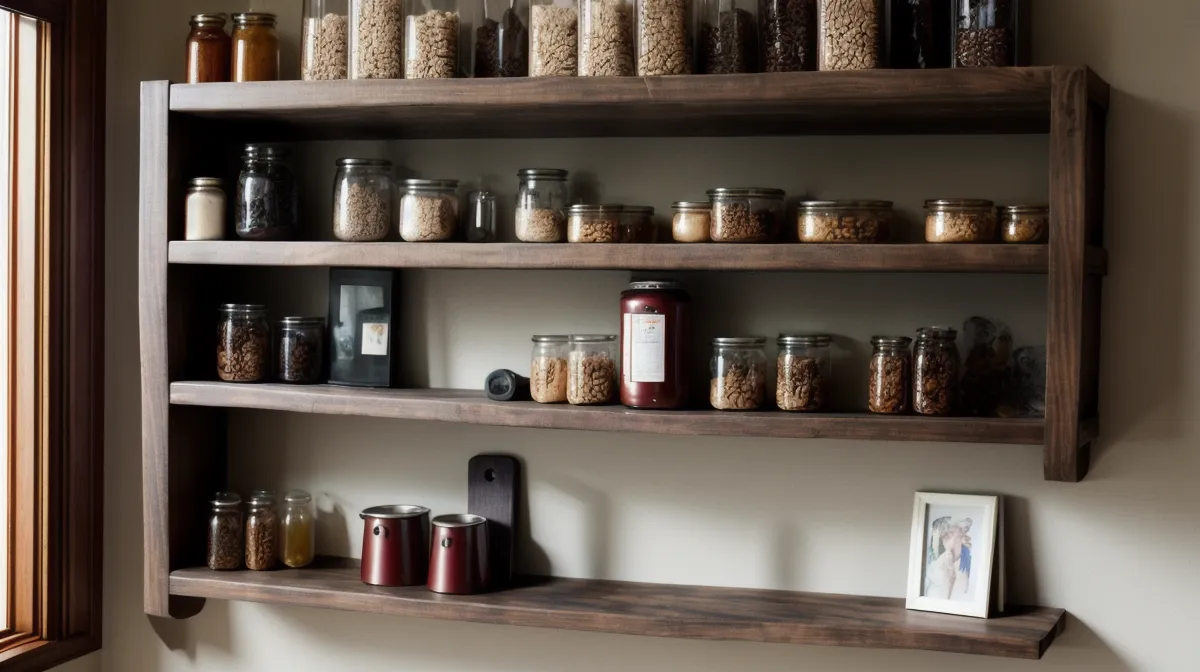
One rainy evening in my Louisville kitchen this past February, the Ohio River fog was rolling in so thick you couldn't see the skyline from the bridge. We were gathered around the kitchen pass-through for our usual Tuesday session. One of my neighbors, a guy who usually wouldn't look at anything under a 100-proof rye, surprised the whole group. Instead of reaching for the heavy glass, he cracked open a non-alcoholic tallboy. It was a quiet moment, but it signaled a shift in the room. We’ve all been doing this since 2018, and honestly, we’re all starting to feel the Tuesday night pours a little more heavily on Wednesday mornings.
I realized then that my 'tasting club' was aging out of those heavy mid-week hangovers. I’m a senior project manager at a regional logistics company, so my brain needs to be firing on all cylinders by 8:00 AM to handle shipping delays and driver schedules. I can’t afford a 'bourbon fog' anymore. But we didn't want to give up the ritual of sitting around, trying something new, and actually paying attention to what’s in the glass. That night, I decided to build what I call a 'bridge flight'—a way to transition from the heavy oak and punch of bourbon into the world of structured wine and high-quality non-alcoholic alternatives without feeling like we were losing the 'soul' of the evening.
The Setup: Moving Beyond the 100-Proof Requirement
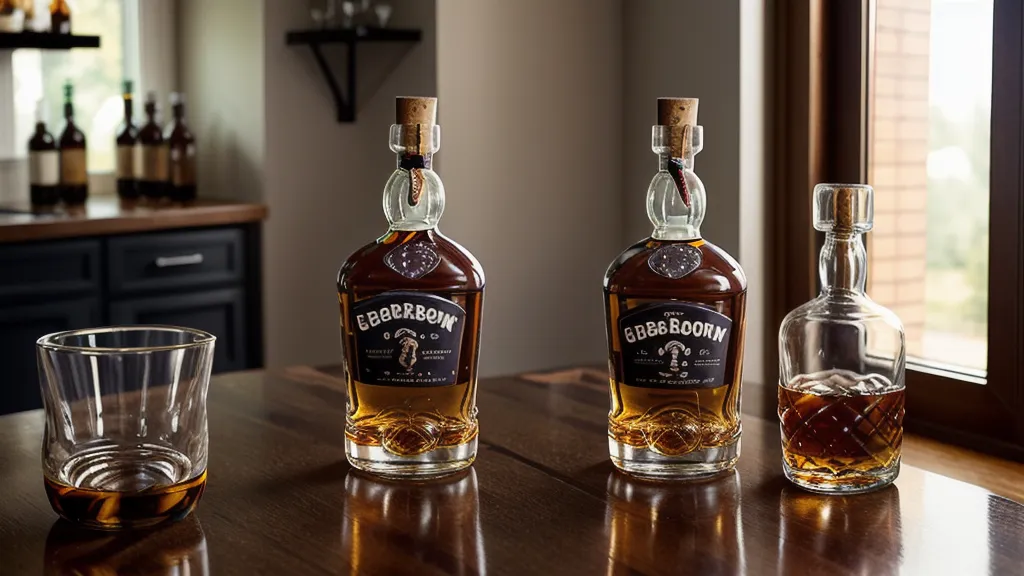
For years, our baseline was Bourbon, specifically stuff that met the Bottled-in-Bond proof requirement of 100 proof. According to the U.S. Standards of Identity, that’s the law if you want that label, and we liked that intensity. But jumping from a high-proof spirit straight to a light white wine or a watery soda feels like going from a heavy metal concert to a library. It doesn't work. The palate needs a bridge.
I started looking at what actually makes us enjoy a heavy pour. It isn't just the alcohol; it’s the structure. Bourbon gets its character from being aged in new, charred oak containers. Most of the stuff on my shelf has what the industry calls a Level 4 char, or the 'alligator char.' It’s deep, it’s smoky, and it leaves a specific 'grip' on your tongue. I started wondering if I could find that same grip in a standard 750 ml bottle of red wine or even a well-crafted non-alcoholic brew. I’m not a sommelier—I’m just a guy who notices which bottles my neighbors actually finish—but I had a hunch that 'mouthfeel' was the key.
The Method: Hunting for the Rickhouse in a Wine Glass
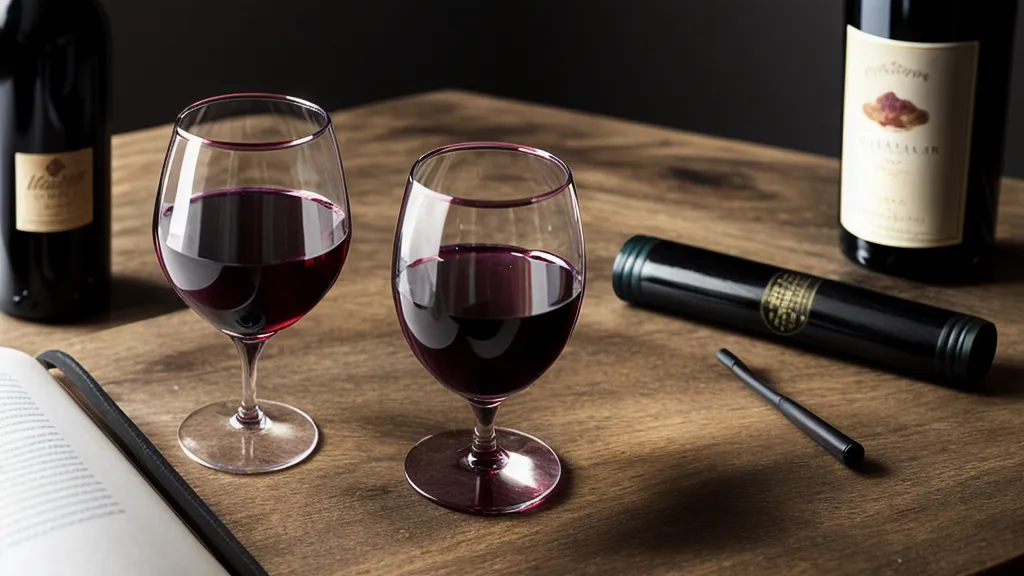
After the first spring thaw this past April, I brought home a heavy-tannin Cabernet Sauvignon from Napa. I didn't know the vintage chart or the exact soil composition, but I knew it was supposed to be 'big.' When I swirled it, I had one of those sensory moments that stops you mid-sentence. The smell of damp oak rickhouse floorboards suddenly hit me, even though I was holding a wine glass. It was that earthy, wood-heavy aroma I usually associate with a distillery tour in Bardstown.
I served it to the guys in a standard 5-ounce pour—the USDA standard serving size—which felt a lot more substantial than the two-finger pours of rye we were used to. What I actually noticed was the tannins. I have no idea what tannin is officially supposed to taste like in a laboratory, but to me, it felt like that familiar, slow-blooming warmth in the chest that usually follows a bourbon pour. It was surprisingly mimicked by this spicy, well-structured red. It had that 'grip' we liked, the kind that makes you want to take a bite of something salty or fatty.
The Turning Point: Burn vs. Bitterness
By a humid July evening, we were deep into the experiment. We had tried a few 'misses,' including a Malbec from a coworker's gift basket that lasted exactly one Tuesday before I realized it tasted like a dusty attic. It was about a steakhouse appetizer worth of disappointment, but it taught us that not all red wine has the 'bones' to satisfy a bourbon drinker. You need that structure.
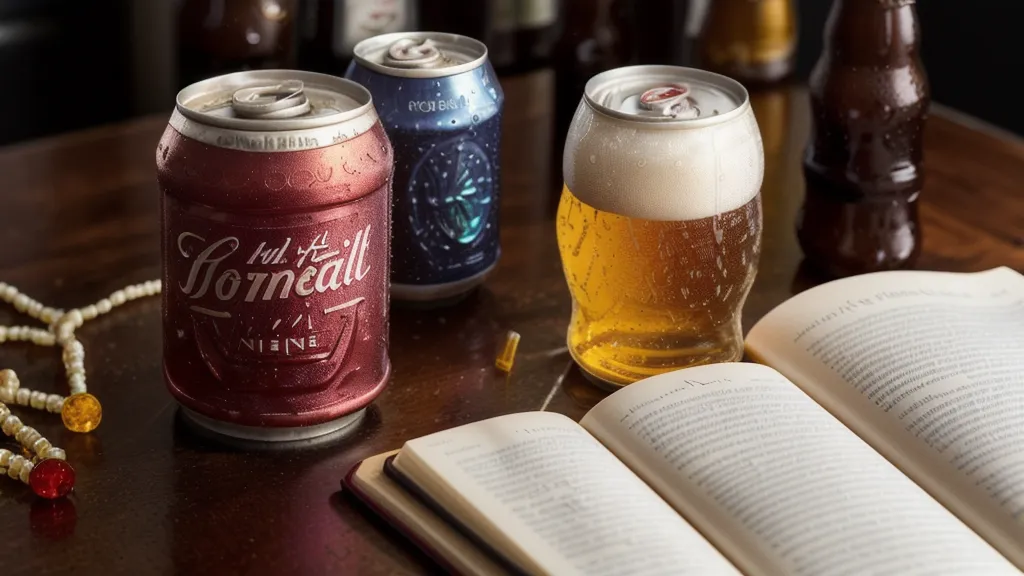
The real surprise came when we integrated the non-alcoholic options. One of my buddies had been exploring how vacuum distillation is used to pull alcohol out of beer while keeping the flavor. We found that a heavily hopped-up NA IPA provided a similar 'bite' to the back of the throat that we usually got from the alcohol burn. During that mid-summer session, I realized the 'burn' of bourbon wasn't actually what we missed when we skipped the hard stuff; it was the structured bitterness. The hops in the NA brew and the tannins in the wine were doing the heavy lifting that we used to attribute solely to the proof.
I've written a bit before about how my collection has grown in The Shelf Over the Kitchen Pass-Through: Lessons from Eight Years of Louisville Pours, and this bridge flight was just the next logical step in keeping that shelf relevant as we all get a little older and a little more tired on Wednesday mornings.
The Palate Fatigue Trap
Here is something I figured out through trial and error: most of us are doing the 'tasting' thing wrong. In the beginning, I used to put out bowls of water and sleeves of saltine crackers, thinking we needed to 'cleanse' our palates between every sip. I’ve realized that’s actually a mistake. Palate fatigue during a long session is often caused by that excessive cleansing. It disrupts the natural accumulation of flavor.
When you let the tannins from a wine or the oils from a hop-heavy NA beer build up a little bit, your brain starts to adapt. You begin to pick up the subtle stuff—the vanilla from the oak or the citrus in the hops—that you miss if you’re constantly shocking your tongue with a dry cracker and cold water. I’m not a doctor, and you should definitely talk to your own doctor if you're making big changes to your habits, but for our group, 'less cleansing' actually led to more enjoyment. We stopped trying to keep every sip 'pure' and just let the flight happen.
Reflection: A Balanced Rotation
Looking at my kitchen pass-through shelf today, late in August, it’s no longer just a wall of corn and rye. It’s a balanced rotation. We still have the Bottled-in-Bond favorites for special nights, but they sit next to a few bottles of high-tannin reds and a six-pack of NA cans. It keeps the conversation going without the Wednesday morning fog.
If you're looking to transition a group of dedicated spirit drinkers, don't start with the light stuff. Look for the oak, look for the 'alligator' char influence, and don't be afraid of the bitterness. We even found that comparing bourbon and red wine pairings during a backyard steak dinner helped the neighbors see that wine could hold its own against a charred ribeye just as well as a glass of neat bourbon. It’s about finding that common thread of structure that makes a drink feel 'serious' enough for a Tuesday night in Louisville. Your call on what you try first, but don't be surprised if the 'bridge' becomes the destination.