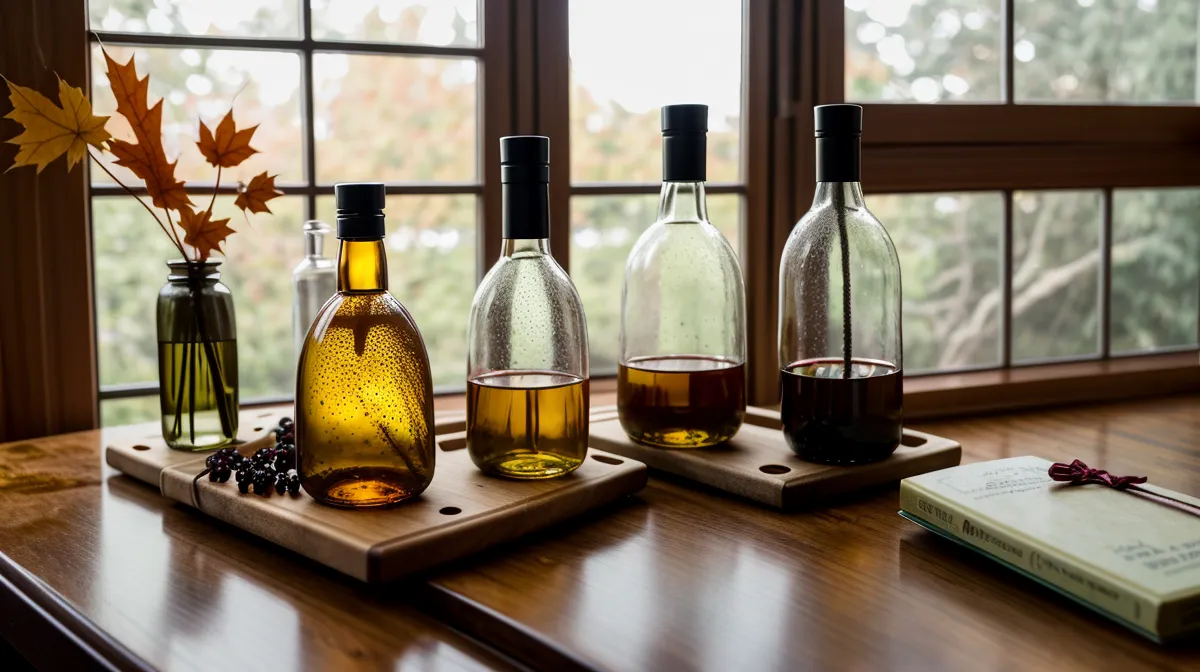
An 80-proof bottle from the bargain shelf and a barrel-proof pour that actually costs something are not the same drink once ice gets involved. One turns into flavored water in about three minutes, the other doesn't. I spent years mixing home cocktails with whatever bourbon was cheapest at the corner store here in Louisville, figuring the sugar cube and the bitters would cover for it. They didn't. My Old Fashioned tasted like watered-down orange juice with a rumor of wood in it, and it took an embarrassingly long time at my own kitchen pass-through before I figured out why.
Louisville hands you the same legal trivia everyone here already knows: there's a whole federal definition of what counts as Bourbon whiskey, and none of that paperwork tells you how to keep a drink from collapsing the moment a big cube touches it. The Old Fashioned supposedly started a few blocks from where I now live, at the Pendennis Club, back when a strong pour wasn't something you apologized for. What I noticed, pouring the same recipe with a dozen different bottles over months of Tuesdays, is pretty simple: a low-proof bourbon goes thin and sweet against the ice, and a higher-proof one just holds its shape longer in the glass. I can't tell you the mechanism. I can tell you what happened in my glass.
Picking a Bourbon That Survives the Ice, Not Just the Label
Proof turned out to be the whole ballgame, but it's not the only place I've seen the same pattern. Somewhere between a bourbon guy and a wine drinker there's more overlap than either side wants to admit. The tannin in a big red does something close to what proof does in a bourbon, giving the wine enough backbone to survive sitting next to food instead of getting lost. My wife's book club bottles taught me that faster than any bourbon forum did, mostly because I kept sneaking sips before they got there.
Once I noticed that pattern, picking a home cocktail bottle stopped feeling like chasing a label and started feeling like picking something with enough backbone to do its job under ice. That distinction is what sent me looking for something allocated in the first place.
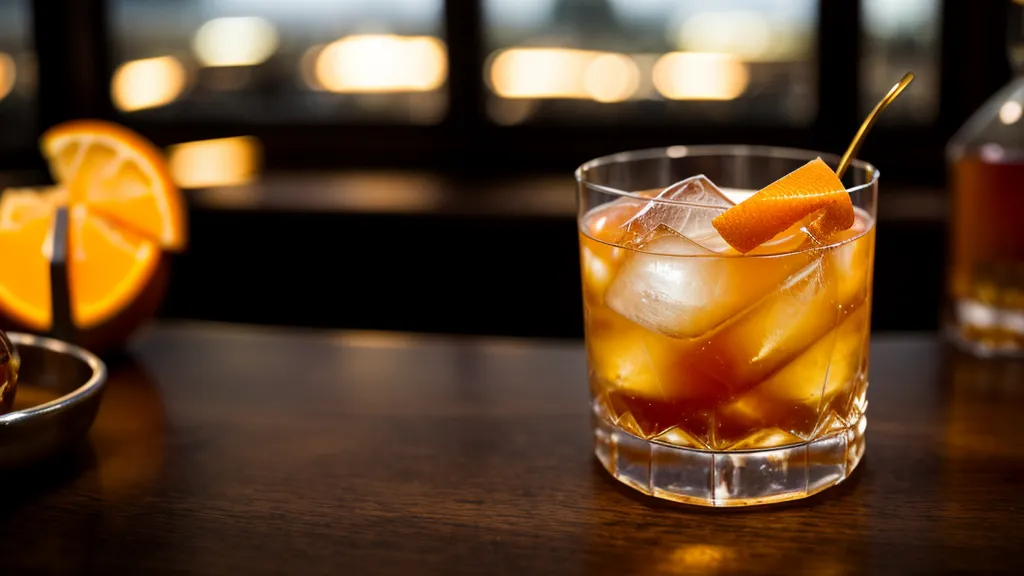
Why Are Allocated Spirits Worth the Louisville Hassle?
Getting on an allocation list is its own separate skill from just finding a bourbon you like, and I learned that the slow way. A neighbor a few houses down — he's run the same Friday poker game since 2011 — is the one who first told me allocated bottles existed outside the chain stores, and I spent six months following an allocation thread on a bourbon subreddit hoping something would shake loose. Nothing did. I checked the shop up on Bardstown Road in the Highlands more than once too, and came away with nothing that fit what I was after.
Bourbon Concierge is where I finally landed, a small D.C. shop where an actual person answers the phone instead of routing you through a chatbot. I told them I wanted something with a high-rye mash bill for spice — still bourbon, not rye, though the two get mixed up at every tasting I've hosted — and I wasn't trying to spend transmission-repair money to get it. They pointed me to their Editor's Pick instead, which fits the gap covered in Why Allocated Bourbon Bottles Are Hard to Find. It cost about a steakhouse appetizer more than what I'd normally grab, and the difference in the glass wasn't subtle — more like finally hearing a song without the buzz of a bad speaker underneath it.
Shipping rules for spirits are their own mess, and they vary enough by state that what works for my order might not work for yours — that part isn't optional homework, it's just how direct-to-consumer alcohol shipping works right now. Even inside Kentucky it gets weird: my order routes through a dry county between here and the shop before it ever reaches my porch, and the checkout form knows it before I do. Worth checking your own state's rules before you get attached to a bottle you can't actually have shipped.
What Actually Happened on a Tuesday Tasting Night
One of the regulars in my Tuesday group has been cutting back this year, so Sober Carpenter has been in steady rotation alongside the real stuff — which style shows up depends on who's driving or who's cutting back that particular week, more of a rotation than a fixed rule. It's genuinely non-alcoholic, not just lighter, and it reads as actual beer in the glass instead of something apologizing for itself. We ran it next to the new bourbon that same night, more out of curiosity than any real plan.
By the tenth week of keeping the good bottle in steady rotation instead of saving it for company, I stopped reaching for the cheap stuff even on a random Wednesday. One neighbor put her glass down mid-pour that same stretch and asked me to write the name down before she forgot it at the store — which is about as clear a verdict as a Tuesday tasting ever gives you.
We also worked through some Best Single Serve Wine Bottles my wife had left over from her book club that same week — a decent way to compare a handful of reds without committing to full bottles of each. She's been working through In Good Taste's tasting calendar box lately, and whether to decant one of those before people arrive is its own small argument in this house; I honestly don't have a strong opinion either way. What I do remember is the little screech of a corkscrew biting into a fresh cork right before it lets go — that sound means the night's actually starting, same as cracking a new bourbon.
Pour order matters more than people think, bourbon or wine alike — the same glass tastes different as the third pour in a flight than it does as the first, and most of us don't think about that until the flight's already poured wrong. Paying attention to a French red at one of those tastings is honestly what taught me to separate a cherry note from a citrus one in my own bourbon glass, which says more about attention than about either drink.
The Misses That Didn't Make the Shelf
Not everything earns a permanent spot, and I'd rather tell you about the misses than pretend my shelf is all winners. A coworker sent over a gift basket from Wine Country Gift Baskets last spring — the basket itself arrived looking exactly like the photo, which is rarer than it should be — but the wine inside was a crowd-pleaser built for a party where nobody's really paying attention. It didn't have the character to survive a Tuesday with people who notice things, so most of it went into a red wine reduction for steaks instead of a glass.
There's a specific point where a bottle crosses from "keep pouring it" to "this is somebody else's gift now," and that basket crossed it fast. Mid-shelf value is where most of what actually gets finished around here lives anyway, not the trophy bottles or the ones dressed up for a party.
Mano's Wine was a similar story for my niece's wedding shower — the custom-etched label was genuinely impressive, easily the best-looking bottle on the table, but the wine itself played second fiddle to the artwork, and everyone at that shower talked about the label, not the pour. Order it for how a bottle looks on a gift table, not for how it tastes on its own.
Build the Backbone First, Worry About Polish Later
If there's one thing worth carrying out of all this, it's to stop chasing smoothness and start checking whether a bottle can actually hold up once it hits ice, food, or a skeptical neighbor. That test tells you more than a label ever will, whether you're building a bourbon shelf or filling in gaps in a wine calendar.
When I'm restocking now, Bourbon Concierge is still where I start, mostly because the curated picks save me from another six months of chasing an empty subreddit thread. Whether you're chasing a high-rye bourbon or just trying to get better at What I Learned About How to Read a Wine Label, the goal's the same: find something your neighbors actually want to finish, not something that just looks good on the shelf.
Your call on where the line sits between a keeper and a re-gift is entirely your own — I'm not going to pretend there's one right answer here. Check your state's shipping rules before you fall for a bottle you can't actually get delivered, and go build something worth pouring for your own Tuesday crowd.