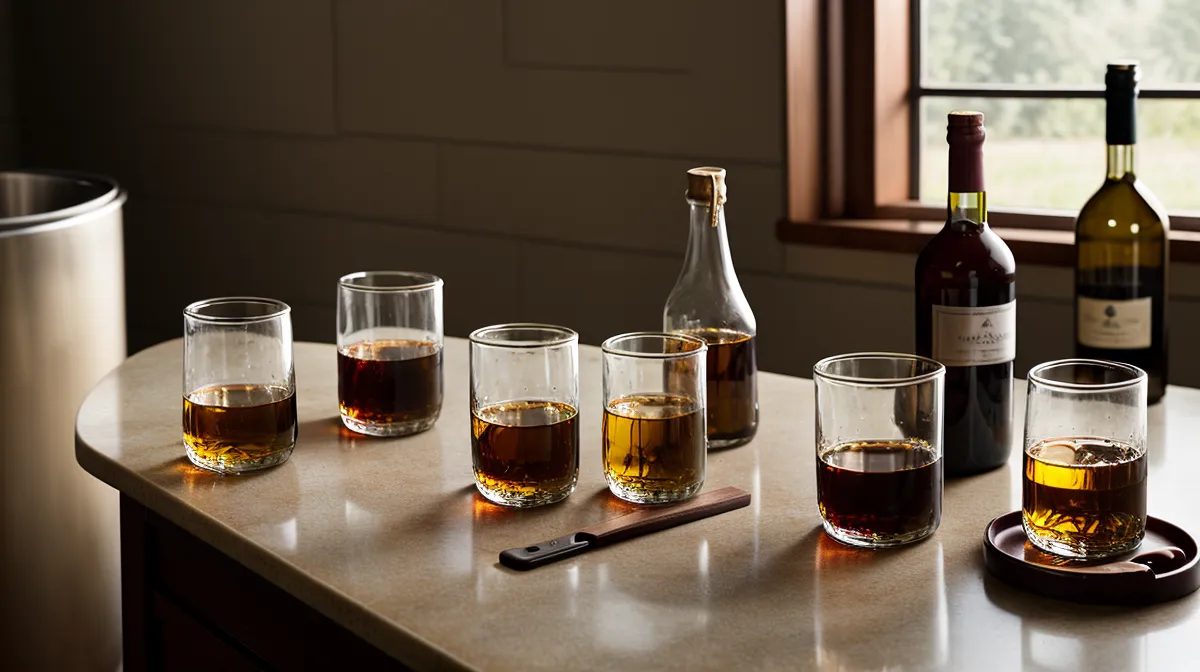
128.4 proof was the number handwritten on a bottle a neighbor handed me a while back, and it's nowhere near the ceiling. Barrel proof bourbon can land anywhere from the low hundreds past 140, which trips up a lot of new whiskey drinkers who assume "barrel proof" means one fixed, mouth-numbing number every time. The bigger myth is what people think that number requires of you: drink it neat, full strength, no ice, no water, or you're not really tasting it. I believed that for longer than I should have, and it kept me from actually enjoying half the barrel proof bottles that came through my rotation, which, if you're just getting into bourbon basics, is exactly backwards.
A quick note before we get into it: some of the bourbon shops, wine outfits, and non-alcoholic brands mentioned below toss me a commission if you buy through the link, at no extra cost to you. Eight years of doing this Tuesday-night thing means nothing here is theoretical — if a bottle didn't survive a pour, I'll say so. None of this is professional advice, and it's not spirits education in any formal sense, just what I've noticed pour after pour, so check your own state's shipping rules before ordering anything.
Barrel Proof Isn't a Flavor, It's a Skipped Step
In plain terms, barrel proof — cask strength, if a label wants to sound fancier — means the distillery didn't add water back after the whiskey came out of the barrel. Most bourbon gets cut down to a friendlier, consistent proof before bottling; barrel proof skips that step and pours you whatever strength was sitting in the wood. Rye shows up at barrel proof too, not just bourbon, though where the two actually part ways is a separate conversation entirely. None of that makes a bottle better or worse on its own — it just means less got done to it before it reached your glass.
Why People Treat It Like a Dare
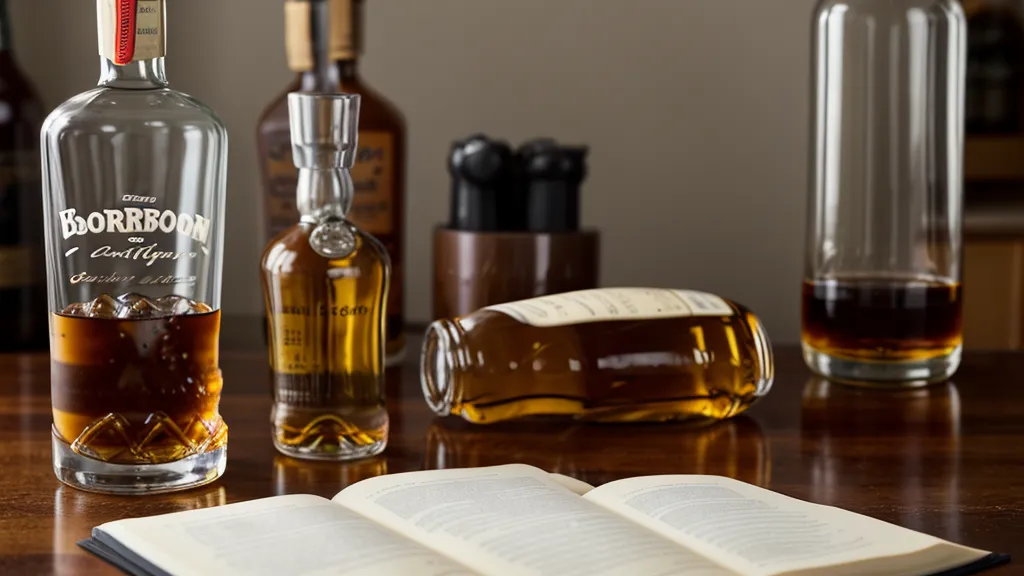
There's a corner of bourbon culture — you'll find it in a release-day line, or at a tasting where somebody's showing off — that treats drinking everything neat as the only legitimate way to do it, especially once the proof climbs past 120. That's a good way to ruin your evening for no real reason. It's the same logic that makes people force down an overly tannic red because "authentic" got confused with "enjoyable" somewhere along the way — I got a Malbec once in a coworker's Wine Country Gift Baskets box that never softened up no matter how long I let it breathe, and there's no rule that says politeness requires finishing it.
My friend Gareth, who I've been doing Tuesday tastings with for years now, solved this problem by just showing up with a backup bottle whenever the main pick runs that hot — cheaper than sitting through a glass nobody's actually enjoying. Down at a bar on Paristown Pointe last fall, I watched a guy grind through a full pour of something well past 120 proof rather than ask for a water back, like reaching for the pitcher would get him laughed out of the room. Nobody was impressed. We've since settled into pouring the lightest-proof bottle first at our own tastings and saving anything barrel proof for last, mostly so nobody's palate is shot before the interesting bottle even gets opened.
The Case for Adding Water
The bottle that finally taught me this wasn't something I could grab off a shelf in town — I'd found it through Bourbon Concierge, a small outfit that tracks down allocated bottles a Louisville liquor store just doesn't stock. Allocation access is really the whole draw there: rare bottles without having to charm a store clerk into remembering your name.
It arrived heavy, and my first sip was pure heat — no flavor to hold onto, just burn. So I did the thing I used to think was cheating: added water, a few drops at a time, until the burn backed off enough that vanilla and something like toasted marshmallow showed up underneath, the kind of shift that makes barrel proof worth understanding at all if you're serious about whiskey tasting. Bourbon Concierge is genuinely good at finding bottles like that, but nobody there tells you what to do once it's in your glass — that part's on you. If you're new to that side of the hobby, How to Use a Bourbon Concierge to Find Rare Whiskey Bottles covers how the ordering side actually works.
Palate Fatigue Is Real, and It's Not About the Bourbon
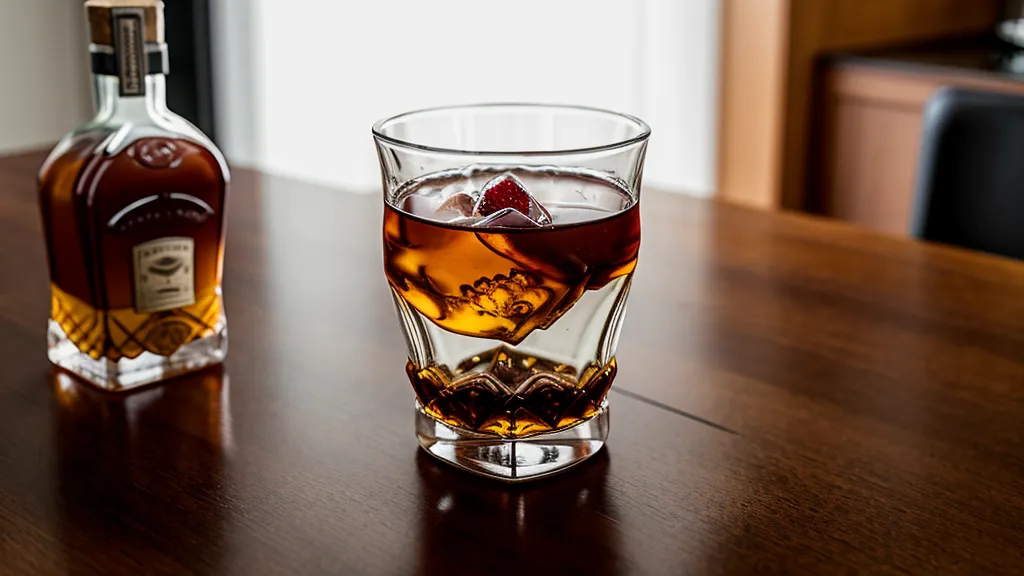
Two small pours of anything over 120 proof and my taste buds are essentially done for the night, no matter how much I respect the bottle. One of my Tuesday regulars, Fenton, started quietly showing up with non-alcoholic options a while back — never made an announcement about it, just started asking if I'd keep something NA on hand, and he's the reason there's a dedicated non-alcoholic section on the shelf at all now. He usually brings Sober Carpenter, which actually tastes like beer instead of flavored soda water doing an impression of one.
Pouring a Sober Carpenter IPA between bourbon rounds resets the palate without adding more ethanol to a night that already has plenty, and it's become part of the regular lineup rather than a consolation prize for whoever's cutting back. Building out a rotation like that matters more than finding one good non-alcoholic bottle — a few different styles on hand means nobody's stuck drinking the same can all evening. Glassware matters too, regardless of what's actually in the glass; I put together a rundown of that in Best Wine Glasses for Beginners Who Drink Both Red and White if you're building out a home setup for the first time.
Is Barrel Proof Actually Worth Chasing?
Barrel proof bottles usually run noticeably more than their standard counterparts, a full tank of gas more, not just loose change, and whether that's worth it depends on what you actually want out of the pour. Tinkerers should lean in: drink it neat, add a rock, add water until it sits exactly where you want it, and you're paying for that control. Anybody who just wants a drink after a long day without turning it into an experiment is better off reaching for something sitting mid-shelf at 90 or 100 proof — there's no trophy for skipping past the bottle that does the job without asking anything of you.
I learned the flip side of that same lesson the year I let a wine club talk me into a standing order. Three bottles landed before I'd finished the first one, and I never got around to canceling before a fourth showed up. One of them, a syrah blend, sat through two Tuesday tastings without anyone reaching for it twice before it finally left with a departing guest instead of getting finished here. At some point you just have to decide whether a bottle's worth finishing or worth handing off to someone who'll actually enjoy it, and I've gotten faster at making that call.
My wife grabbed a barrel proof bottle off a store shelf herself last week, no ceremony, no asking whether it was "too much" for a weeknight. She just set it on the counter like any other bottle. A few years back that would've been treated like it needed a translator first. It doesn't. That's really the whole myth, cracked open: barrel proof isn't a dare or a test of anything, it's just bourbon that skipped a step, and it stops being intimidating the moment people stop treating it like one.
For gifts, presentation still tends to beat punch in my book. A custom-etched bottle from Mano's Wine has covered more than one retirement or milestone on my list lately, and their Custom Etched Wine Bottles for Special Occasions from Mano's Wine page shows what that looks like before you commit to one. When I'm actually hunting for the next barrel proof bottle worth that tank-of-gas premium, Bourbon Concierge is still where I start. Whatever ends up in the glass, give it enough attention to notice what's actually there before deciding whether the proof number earned its reputation.