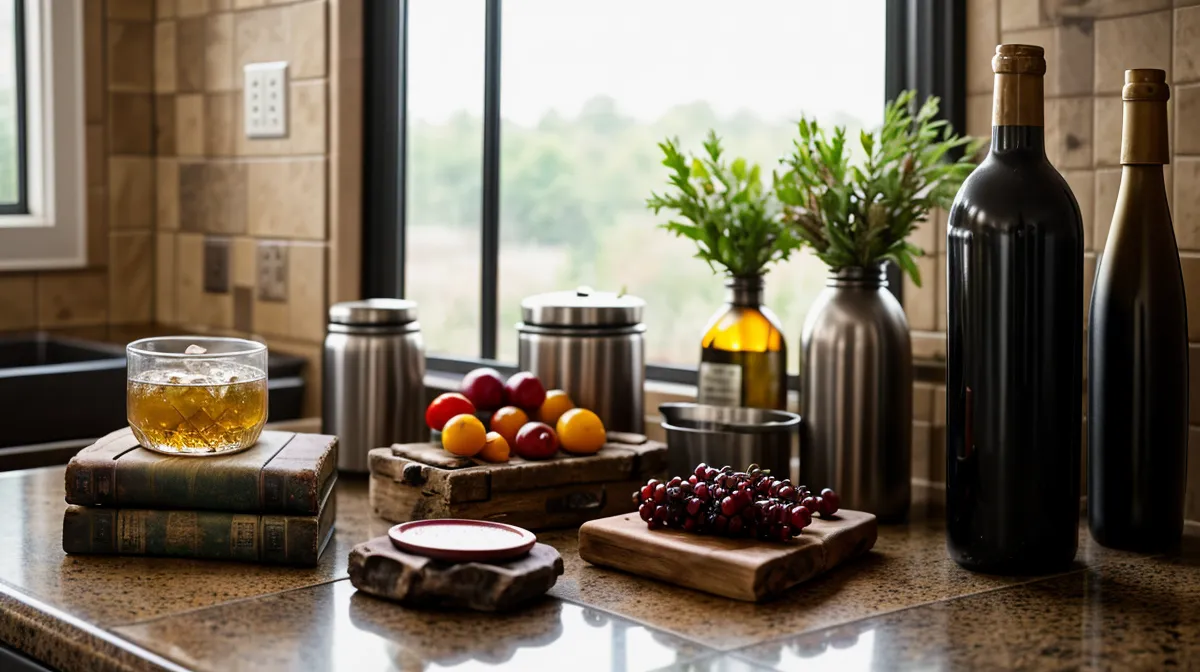
A red wine that tastes incredible on its own can turn flat and metallic the second tomato sauce hits your tongue. I've watched that happen to plenty of people at casual pizza nights, including the version of me who used to reach for the darkest, priciest bottle on my shelf the moment a delivery box hit the counter, assuming bigger wine automatically meant a better pizza pairing.
The short version is that acid wins and tannin loses. A wine built around bright acidity cuts straight through melted cheese and tomato sauce, while a big, tannic red just tastes bitter and hollow next to the same slice. I learned that the expensive way, and I'm still a little annoyed about it.
The Cabernet That Didn't Survive One Pour
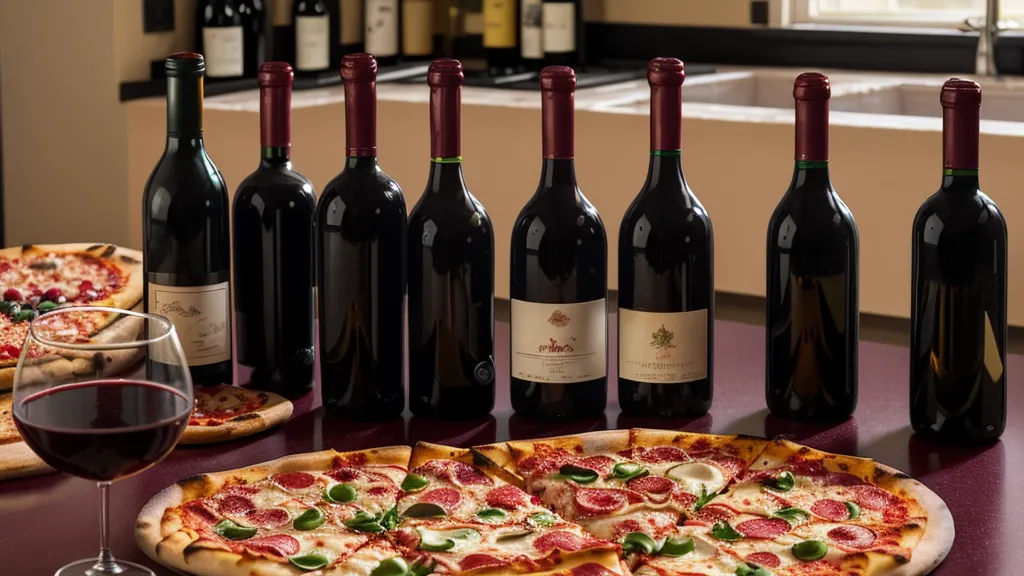
My wife's book club started leaving mystery bottles on my kitchen shelf a few years back, right around the same stretch where I'd already sunk eight years into collecting bourbon over that same shelf. My instinct with wine was the same one I use with whiskey: when the food is heavy, pour something heavier. A freight broker I work with gave me an allocated Napa Cabernet last Christmas, the kind of bottle that costs more than a nice steakhouse dinner for two, and on its own after dinner it was gorgeous: dense fruit, a plush texture, the whole production. Against a pepperoni pie, it turned into liquid tin foil. The fruit disappeared, the tannin grabbed my tongue and wouldn't let go, and the only job that bottle got after that was going into a pot to braise a chuck roast two nights later. That's the one Cabernet that never made it back into the pizza rotation.
None of that was really about the wine being bad. It was about a theory I hadn't tested — that pizza, being heavy and greasy, needed a heavy wine to stand up to it. On the day that Cabernet failed me, I'd spent the drive home rerouting a load around a dry-county exit ramp that doesn't let certain carriers through the way our dispatch software assumes it will, one of those small logistics headaches that makes a person want the biggest pour in the house the second they walk in. The wine didn't care how my day went. It just didn't work with the sauce.
Tomato Sauce Beats Big Red Wine Tannins
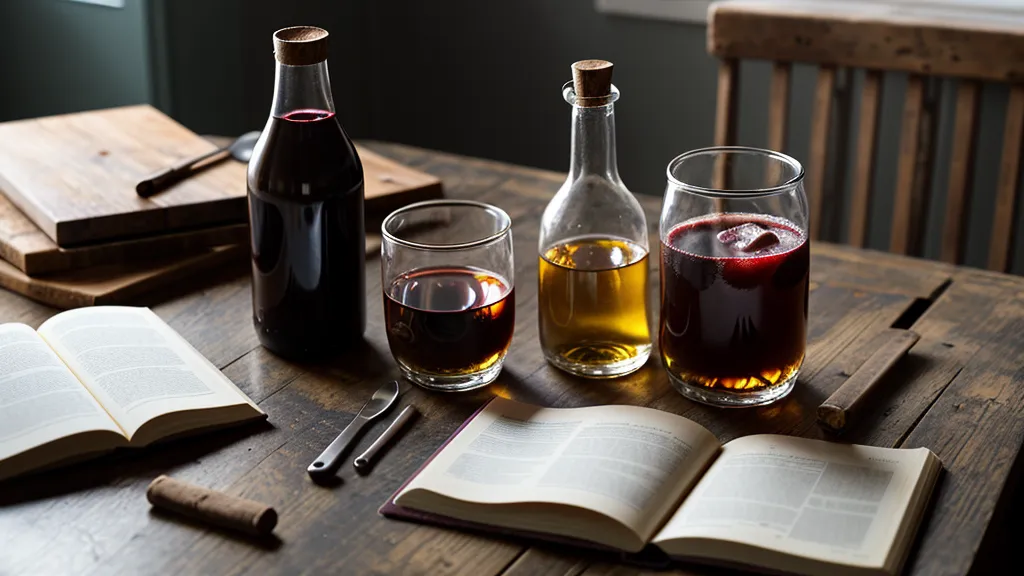
Tomato sauce carries a surprising amount of natural acid, and your palate adjusts to that tartness within a bite or two. Follow it with a wine that's naturally low in acid and high in tannin — a sunny-climate Cabernet, a jammy Zinfandel — and your brain reads the wine as suddenly bitter and hollow, because the fruit gets buried and only the dry tannin texture is left scraping across your gums. What actually works is a wine that brings its own acid to the table, enough to match or beat the sauce, so the two cancel out instead of one flattening the other.
This is the entire reason old-school Italian reds keep showing up on my shelf. Standard Chianti works because it's built mostly from Sangiovese, a grape that runs sour-cherry forward with real acid and only moderate, dusty tannin. It doesn't taste polished. It tastes rustic, almost sharp, and that sharpness does the same job a squeeze of lemon does on a piece of grilled fish — it cuts rather than competes.
What Happens When You Chill the Bottle First?
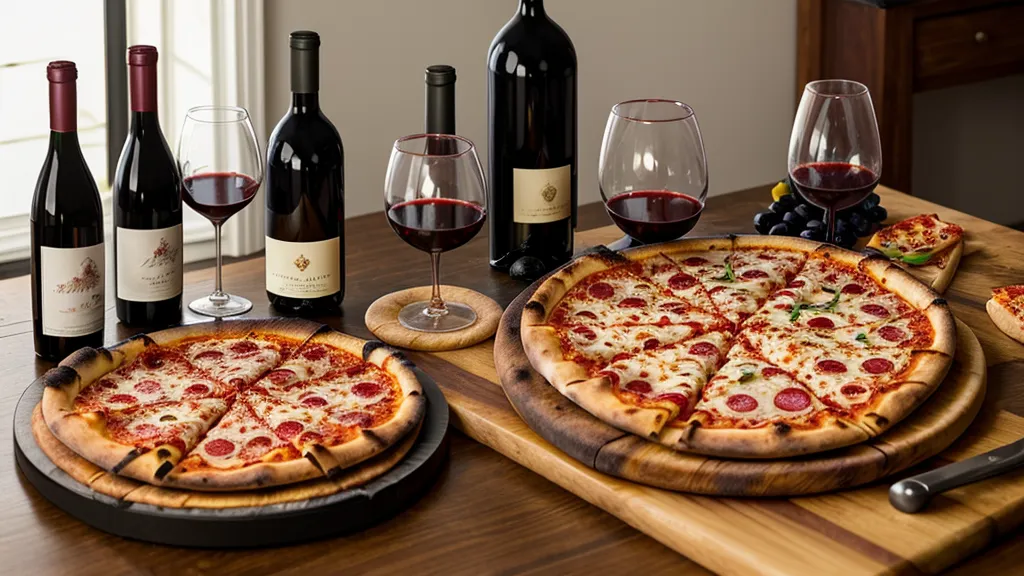
A few Friday nights over the summer, our group set up on the Olmsted patio in Cherokee Triangle instead of the kitchen, mostly because it was too hot to stand around the counter. Blaine — the one guy in our Tuesday rotation who always wants to try whatever nobody else has heard of — pulled two bottles out of my cooler that had been sitting well below room temperature: a Frappato from southeastern Sicily and a basic Gamay-based Beaujolais. Both were pale, almost see-through, and about as far from a "serious" red as you can get.
One of the regulars didn't even sit down before asking what was already disappearing from the glass across the table. That's the kind of reaction a cold, light red gets when people expect something heavier. Traditional advice says pair heavy, cheesy food with big reds, but a chilled, high-acid, light-bodied wine cuts through melted cheese better than a tannic one ever will, because there's no dry wood tannin left to turn metallic against the garlic and sauce — just bright acid wiping the fat off your tongue bite after bite. The first time you try a cool glass of Frappato next to a hot, blistered crust, it feels wrong for about four seconds, then it clicks: wild strawberry and cracked white pepper, lively instead of heavy, and you're not fighting couch-lock by nine o'clock.
If you want the mechanics of why a short chill changes a red wine this much, I got into it separately in my notes on the proper wine serving temperature for red and white, including the fifteen-minute fridge trick we use before Friday pizza lands.
The Friday-Night Rotation That Actually Works
I tried turning all of this into an actual spreadsheet at one point — tracking which bottles got finished, which sat half-poured, which never got opened again. It held together for about six weeks and then I quietly stopped updating it somewhere around the middle of February, because the list that actually matters turned out to be short enough to just remember.
For a heavy meat-lovers pie with sausage, bacon, and pepperoni, Barbera d'Alba or Barbera d'Asti is the workhorse: ferocious acidity, gentle tannin, and enough blackberry and plum fruit with a tart snap to handle three kinds of pork without flinching. For a plain cheese or margherita pie, an everyday Chianti — Colli Senesi or basic Classico — is the default, all dried thyme, sour cherry, and tobacco leaf, matching the tomato paste almost note for note. Warm weather calls for Frappato or Cerasuolo di Vittoria, given fifteen minutes in the fridge door before the cork comes out. Anyone wanting cranberry and pomegranate instead gets a village-level Beaujolais or a cru like Brouilly, which bounces off salty dough and fontina without ever getting heavy. And when the cheese is especially greasy, dry Lambrusco di Sorbara — the real, sparkling, secco kind, not the sweet version your grandmother poured out of a jug — does the most dramatic job of any bottle on this list, cutting fat with cold carbonation and bright currant fruit.
None of these cost more than filling up a gas tank, and if a bottle costs more than the pizza sitting next to it, you're already off track for a casual Friday. Anyone still sorting out which of these grape styles fits their palate can work through one of the best wine tasting kits for beginners — a cheap way to taste small pours of several styles without committing to five full bottles in one sitting.
Glassware, Stomachs, and Keeping It Reasonable
I'm not a doctor, and nothing here should be read as medical advice. I'm just a logistics guy writing down what happens in his own kitchen. High-acid red wine next to tomato sauce can be rough on anyone who already deals with acid reflux or general stomach sensitivity, so if certain foods give you trouble, that's a conversation for your own doctor, not a wine blog. Keep pours reasonable regardless of what's in the glass.
On glassware: don't bother with anything fancy for a pizza night. My wife and I drink most of these everyday Italian reds out of short, flat-bottomed tumblers, because nobody wants to panic over good crystal when an elbow swings toward the garlic dip. The wine tastes just as alive out of a plain glass.
So What Do You Actually Pour?
Back to the original question: a red wine that's brilliant by itself can still be the wrong choice next to a pizza box, and the fix isn't picking a "better" bottle, it's picking a different kind of bottle. Skip anything that leans on heavy oak and low acid, no matter how good the label looks. Reach for something with real acidity, keep it light on tannin, and give it a short chill if your kitchen runs warm. The trophy Cabernets and the barrel-proof bourbon can wait for a quiet Saturday by themselves. On a Friday, with a grease-stained box already open on the counter, the bright, pale, unglamorous bottle from northern Italy or Sicily is the one that actually gets finished.