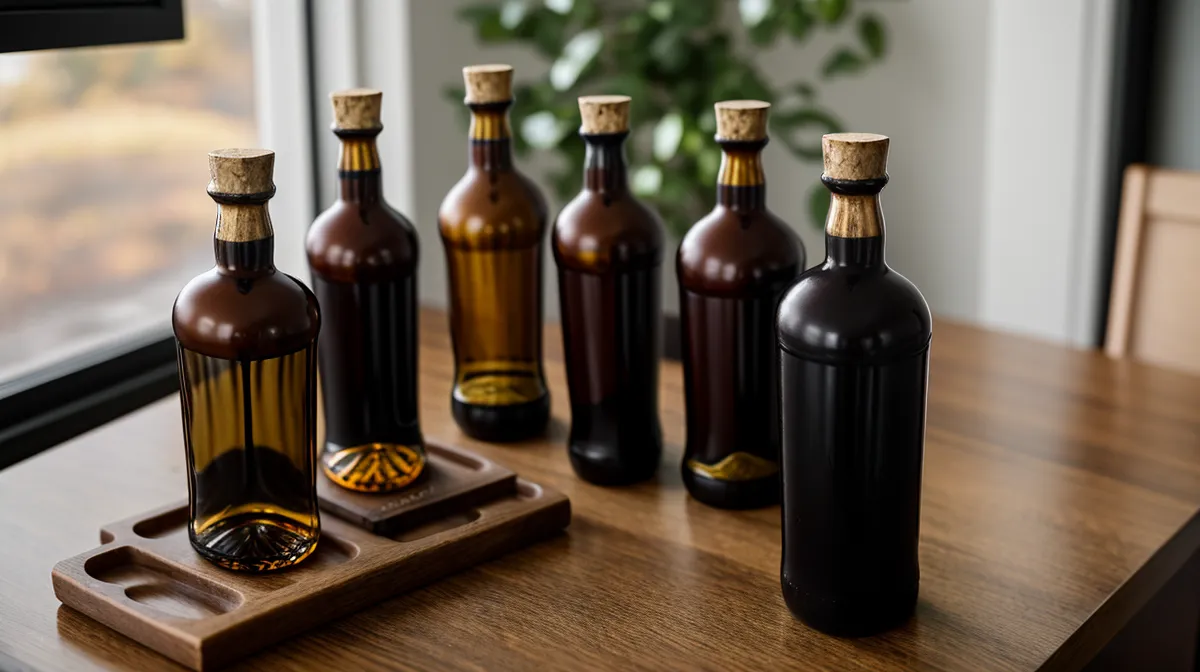
One humid evening last August, I was reorganizing the shelf over my kitchen pass-through when my neighbor leaned over the counter and asked a question I should have been able to answer instantly: "Russell, why do these two taste like they aren't even the same drink?" He was pointing at a standard Kentucky bourbon and a bottle of rye I’d picked up on a whim. I realized then that while I’d been letting the collection spread across the kitchen for years, I hadn't really sat down to categorize why one felt like a warm hug and the other felt like a polite slap in the face.
Before we get into the weeds, a quick heads-up: I earn a commission if you decide to order through some of the links I’ve shared below, like the shops where I find my rare bottles or the tasting kits my wife uses. It’s at no extra cost to you, and everything here—from the bourbon retailers to the non-alcoholic beers—is stuff that has actually sat on my shelf and survived a Tuesday night tasting. I’m just a logistics manager in Louisville who pays attention to his glass, not a professional distiller or a doctor. Speaking of which, if you’re looking into spirits for any health-related reason, talk to your own doctor; I’m just here to talk about the flavor. Drink reasonably and check your state’s shipping laws, because they can be a real headache.
The Logistics of the Mash Bill
Being a logistics guy, I like things that follow a strict set of rules. In the whiskey world, those rules are mostly about what goes into the pot before it ever touches a barrel. For a bottle to legally call itself bourbon, it has to be made of at least 51% corn. That’s the law, specifically the Federal Standards of Identity. Corn is the heavy lifter that gives bourbon that sweetness we all recognize—think vanilla, caramel, and maybe a bit of toasted oak. It’s also legally required to be distilled at no higher than 160 proof, which keeps more of those grain flavors intact rather than stripping them away into a neutral spirit.
Rye whiskey follows a similar logic but swaps the lead actor. It must be at least 51% rye grain. If you’ve ever compared a slice of white bread to a slice of pumpernickel, you already know the vibe. Rye is spicy, herbal, and sometimes a little grassy. It’s the difference between a sweet corn fritter and a peppery cracker. When you see "straight" on the label of either one, it means it’s been aged for at least 2 years in new, charred oak containers with no added coloring or flavoring. It’s honest booze.
The Mouthfeel Mystery: Persistent vs. Fleeting
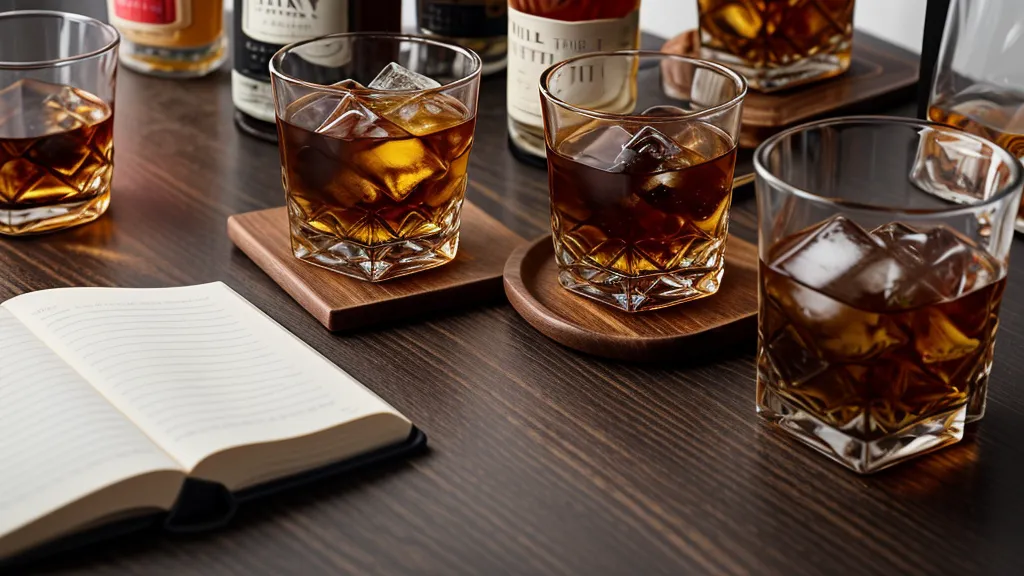
Most guides will tell you bourbon is sweet and rye is spicy. That’s true, but it’s only half the story I’ve noticed while sitting on my porch during the January thaw. The real difference—the one that makes you reach for one over the other—is how they move across your tongue. I’ve found that bourbon provides a more persistent mouthfeel across the entire palate. It lingers. It’s got a weight to it that stays with you from the first sip until well after you’ve swallowed. It’s like a heavy wool blanket.
Rye, on the other hand, is all about the finish. It’s sharper and more focused, prioritizing a fleeting spice finish that hits the back of your throat and then clears out. It doesn't overstay its welcome. If you’re a fan of big, bold red wines, you might find bourbon more familiar because of that lingering presence. If you’re just starting out and want to explore those differences without committing to a full bottle that costs a tank of gas, I’ve found that In Good Taste Wines and their tasting calendars—which include 24 mini bottles—actually helped me train my palate to notice these subtleties in spirits, even though they focus on wine. Learning to spot a finish in a Cabernet makes it a lot easier to spot the pepper in a rye.
If you're still feeling your way around the shelf, you might want to check out my notes on Tasting Notes for Cabernet vs Merlot for Beginner Wine Drinkers to see how those palate lessons carry over.
The "High-Rye" Bridge and Finding the Rare Stuff
During the holiday rush last year, I realized there’s a middle ground. Some bourbons use a "high-rye" mash bill. They still meet that 51% corn requirement, but they crank up the rye percentage to 20% or 30%. It’s the bridge for people who find standard bourbon a bit too syrupy but aren't ready for the full punch of a 95% rye whiskey. It’s a great way to transition if you’re used to the spicy kick of certain craft beers.
Early last month, I wanted something truly special for a milestone—a gift for myself after finishing a particularly brutal logistics project. I went to Bourbon Concierge. They are a small, family-run shop in D.C. that actually picks up the phone. I told them I wanted something that showcased that spicy rye edge but still had the bourbon soul. They helped me find a small-batch allocation I could never find in a local Louisville store without knowing someone’s cousin. Comparing a rare bourbon to a craft rye made me realize that "smoothness" is just a lazy word we use when we don't have the vocabulary. It’s really about how well the heat of the alcohol is integrated with the grain.

For those looking to skip the hunt at the local liquor store, I’ve put together a list of the Best Online Bourbon Shops for Rare Bottles Without the Waitlist. It’s a lot easier than driving all over the county on a Saturday morning.
When the Proof is Too Much
On a rainy Tuesday tasting in March, one of my regular buddies mentioned he was getting serious about cutting back. We weren't ready to give up the ritual, so we started mixing in some non-alcoholic options. I’ll be honest, I was skeptical. But we tried Sober Carpenter, and it actually held its own. Their Irish Red has enough of that grain-forward maltiness that it didn't feel like we were drinking juice while everyone else had a Glencairn of rye. It’s about the size of a steakhouse appetizer for a whole pack, so it’s a low-risk way to keep the Tuesday tradition alive without the Wednesday morning fog.
I’ve also learned that not every bottle needs to be a masterpiece. I remember a gift basket I got from a coworker once—a Wine Country Gift Baskets set. It had a Malbec in it that, frankly, didn't survive the first Tuesday tasting. We ended up using it for cooking. But the basket itself was great for the snacks. It taught me that sometimes, you’re paying for the presentation, and that’s fine for a thank-you gift, but if you want the good stuff inside the bottle, you have to look closer at the label. If you want to make a statement with the bottle itself, Mano's Wine does these hand-etched custom labels that are perfect for a retirement gift or a wedding, even if the wine inside is more of a "crowd-pleaser" than a "cellar-dweller."
Final Thoughts from the Kitchen Pass-Through
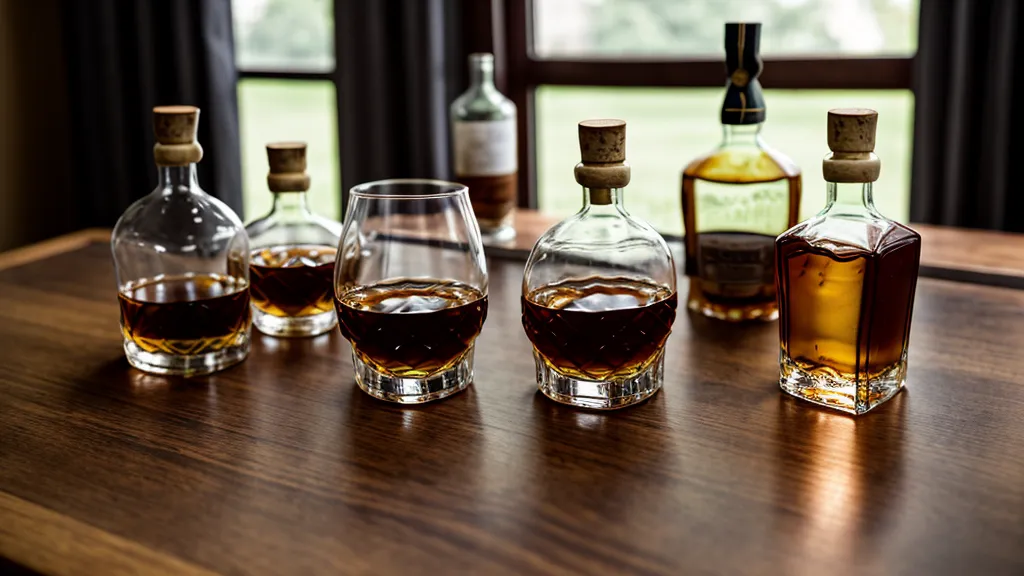
Whether you're pouring a bourbon that coats your mouth like velvet or a rye that finishes with a peppery snap, the goal is just to pay attention. I still have no idea what a "tannin" is officially supposed to taste like in a technical sense, but I know when a drink feels balanced and when it feels like a mistake. My shelf is still spreading, and I suspect it always will. If you’re ever in town for the first time, you should definitely look into the Best Bourbon Distillery Tours for First Time Visitors in Louisville to see the 51% rule in action. Just remember: I'm not a pro, and alcohol affects everyone differently. Check with a professional if you have concerns about your intake, and always have a ride home lined up.
If you're ready to start your own shelf or need a gift that doesn't look like you bought it at a gas station, I can't recommend the personal touch at Bourbon Concierge enough. They’ve helped me fill gaps on my shelf that I didn't even know I had. And for the nights when you want the flavor without the proof, keep a few cans of Sober Carpenter in the fridge. Your Wednesday morning self will thank you.