A bourbon label wants to tell you what's inside the bottle. A wine label, especially the ones that come across the Atlantic, wants to tell you where the grapes grew, and it assumes you already know what that place means for what's in the glass. That gap is exactly why so many beginners assume a fancy label with no grape name printed anywhere is hiding something, some overpriced nothing dressed up in cream paper and gold foil. It isn't hiding anything. It's just answering a different question than the one American labels answer.
Grapes got their hooks into me the same slow way bourbon did. My kitchen pass-through shelf held three bottles back in 2018; it's up to fourteen now, mostly because my wife's book club keeps showing up with bottles I've never heard of. Somewhere along the way I started keeping a mental list of red wines that scratch roughly the same itch as a good bourbon pour, which is its own separate rabbit hole I won't get into here.
Grape Names and Place Names Are Answering Different Questions
New World bottles — California, Australia, most of South America — usually just say it: Cabernet Sauvignon, Chardonnay, whatever's in the glass. In the US, a wine can only carry that varietal name on the front if at least seventy-five percent of the juice actually comes from that grape. It's a blunt, useful rule, not unlike knowing the difference between a bourbon and a rye starts with reading what's actually printed on the bottle instead of guessing from the color of the liquid.
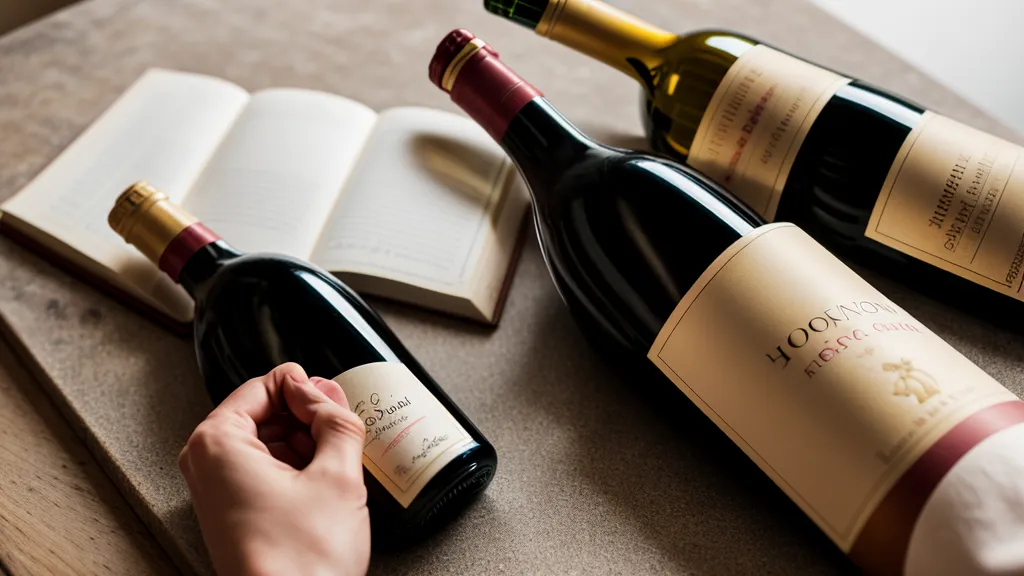
Old World labels flip that logic. A Bordeaux blend won't say Cabernet or Merlot anywhere on the front, because the region already implies the blend to anyone who's supposed to know. Tannin still means almost nothing to me in any technical sense. I couldn't diagram what it's doing to your mouth if you asked, but I've learned that a bottle from a region I recognize tends to grip the back of my tongue the same rough way a high-rye bourbon does the week after you crack it open. That's the whole trick with place-based labels: the geography is standing in for a flavor description nobody bothered to print.
What Do the AVA and Vintage Percentages Actually Lock In?
Once I started paying attention to the fine print, I noticed American Viticultural Area showing up on domestic bottles — a legal marker, not decoration. A wine can only list a specific AVA, Napa Valley or a smaller sub-region, if at least eighty-five percent of the grapes came from that exact spot. Stack a vintage year on top of that and the bar climbs to ninety-five percent of the fruit harvested that same year. The more specific the place printed on the label, the more precisely you're paying for that spot — a bottle that just says California is a blend from anywhere in the state, while one that names a single AVA is closer to a single-barrel pick.
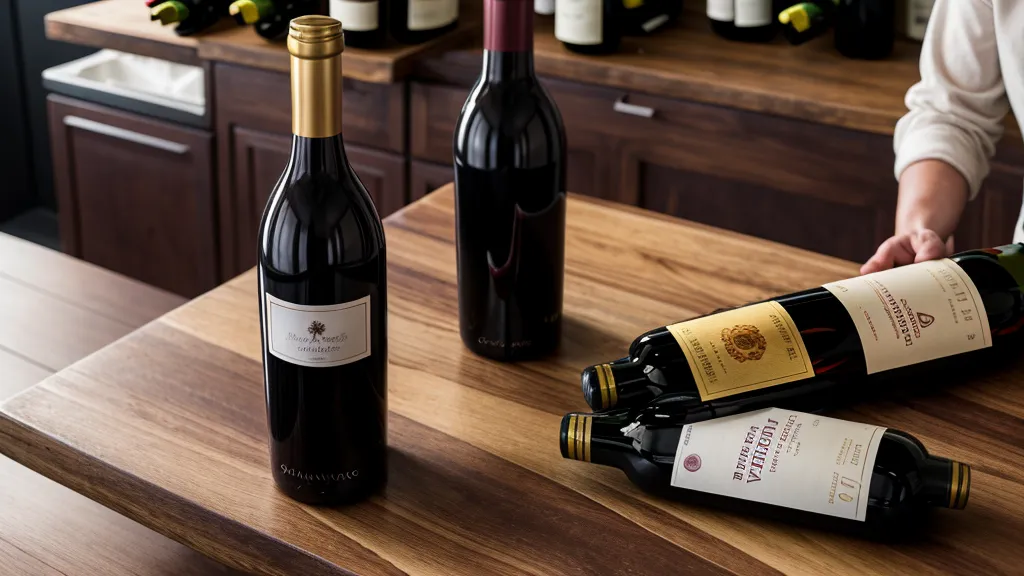
Estate Bottled is the other phrase worth circling, because it means the winery grew the grapes and made the wine on their own property start to finish — the wine equivalent of grain-to-glass. Nobody's refreshing a retailer's website at midnight trying to land an allocated Bordeaux the way I've watched friends chase down a hard-to-find bourbon release online, which tells you something about how differently the two markets ration scarcity. Whether I decant a bottle once the cork's out is its own separate call I make in the kitchen, not something the label settles for me.
The Back Label Trick a Beginner Wine-Label Reader Needs
Here's the actual trick, and it took me embarrassingly long to find it: stop staring at the front. The front is a marketing team's best guess at what will make you pick the bottle up. The back is where the real information sits, especially the importer's name. Spot Kermit Lynch or Terry Theise back there and you know someone who cares about small producers already vetted the bottle for you — a far more reliable signal than a gold-embossed crest or a mountain range printed across the front.
I learned that the hard way after joining one of those quarterly wine clubs that sounded smart in the moment — three bottles showed up that I never finished, and I forgot to cancel before the next shipment landed on the porch. A gift-basket Malbec did something similar: gorgeous label with a mountain range across it, syrupy enough that I couldn't finish the glass, and it went home with a neighbor who mostly cooks with wine anyway. Somewhere between still-drinkable and hand-it-to-the-neighbor there's a line I've gotten better at spotting fast, the same threshold I use for a bourbon that's overstayed its welcome on the shelf.
Gareth Kinlaw, one of the Tuesday regulars, treats any bottle with a hype-driven price tag like it personally insulted him, and he was standing right next to me the Tuesday our group voted to reorder a case without anyone bothering to ask what it actually cost — which is about the moment I started reading labels instead of just trusting whoever poured first.
ABV and the Sulfite Line Aren't Warning Signs
Bourbon runs 45 to 50 percent alcohol in my world, so wine sitting down in the 12 to 15 percent range always looked harmless by comparison — until I noticed that even a single point of difference changes how heavy a wine feels in your mouth. Higher-ABV wines carry that same weight and warmth a bourbon does; lower-ABV ones feel closer to something you'd sip on the porch during a January thaw, gone before you've decided if you like it. The label's percentage carries a built-in cushion too — federal rules allow roughly a percentage point or so of wiggle room, so a bottle printed at 13.5 percent could legally be closer to 14.5.
Sulfites turned out to be a non-issue disguised as one — nearly every bottle carries that warning because it's a natural byproduct of fermentation, not a mark of a cheap wine, though I'd point you toward your own doctor rather than me if sensitivities are a real concern. Fenton Burley, a few years into the Tuesday rotation now, rates every non-alcoholic pour I put out more critically than anyone else at that table, and these days I just keep one on the shelf as a matter of course. None of this — the label math, the importer names, the sulfite fine print — means much if the bottle can't legally ship to your state to begin with, which is its own separate headache I won't unpack here.
If the grape-versus-region distinction still isn't clicking once you've read all the fine print, I ended up spending real time with the best wine tasting kits for beginners, which let me compare a handful of small pours side by side instead of committing to a full bottle I might just end up using to deglaze a pan.
Reading the Shelf Differently Now
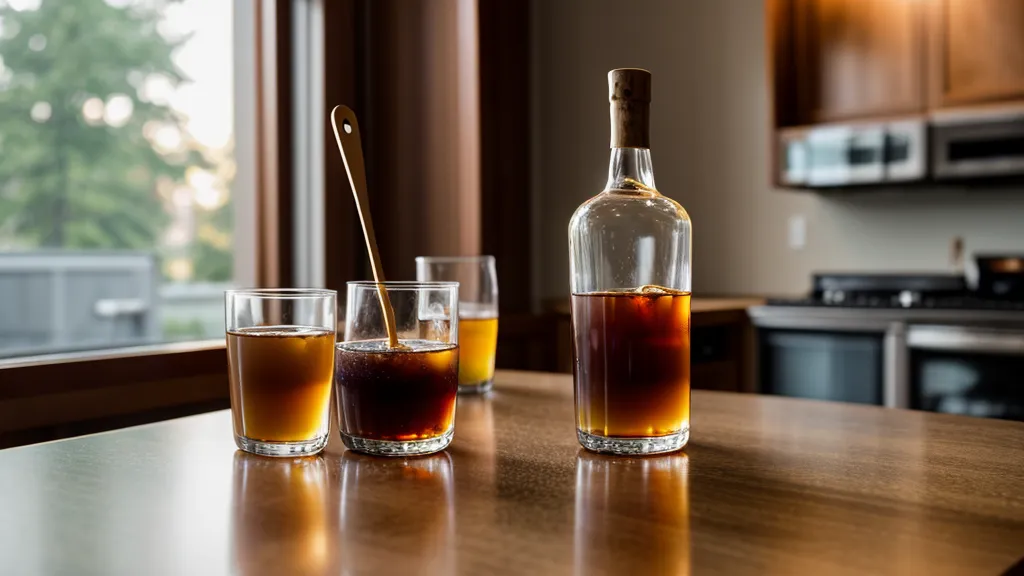
These days when someone brings a bottle over on a Tuesday, I don't start with the picture on the front. I hold it up under the light over the kitchen island until the fine print backlights enough to actually read, checking for Appellation d'origine contrôlée on French bottles or DOCG on Italian ones, both markers of a region with rules strict enough to trust. The same test I use for picking a mid-shelf bourbon worth the shelf space applies here too: does it earn a second pour, or does it sit there while everyone reaches for something else, whether it ran me about a steakhouse appetizer or closer to a full tank of gas. Which bottle gets poured first in that lineup is its own habit I've built up over enough Tuesdays to trust it.
The myth worth retiring is simple: an unfamiliar bottle that skips the grape name on the front isn't automatically overpriced or being difficult with you — it's just following Old World rules instead of New World ones. Check the place printed on the label before you decide the absence of a grape name means something's being hidden, and after that it's your call whether the bottle earns a second pour. My shelf doesn't feel like a wall of code anymore. It feels like a stack of maps I've finally learned to read before I pull the cork.