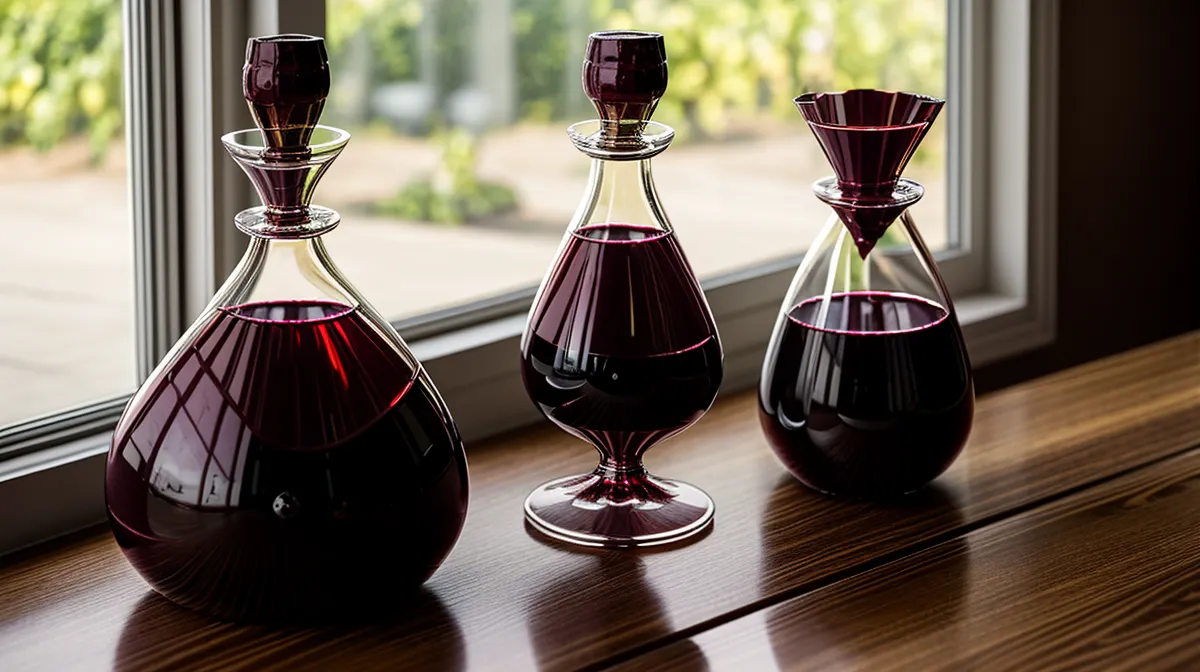
The humidity in Louisville this week has been thick enough to stall a lawnmower, and last night it finally broke with a thunderstorm that rattled the bottles on my kitchen shelf. I had a neighbor coming over to help me look at a weird noise my truck was making, and I’d pulled a young, heavy red from the rack. I remembered the first time I served a bottle like this—years ago, during a Thanksgiving fog—and how the first sip made everyone wince like they’d just sucked on a lemon. I wasn't going to make that mistake again.
Heads up before you keep reading: a few of the bourbon retailers, wine calendars, and gift-basket sites I mention here send me a commission when a reader orders through my links. Your price stays the same as going direct. I’ve built the shelf over my kitchen pass-through over eight years of regular-person spending, and I keep the bottles I keep because they earn it—not because of a commission. If a bottle didn’t survive the Tuesday tasting, I’ll tell you. Drink reasonably, check your state’s shipping laws, and since I have zero medical training, please talk to your own doctor or a real professional before making any health-related changes.
The 'Oxygen Handshake' for Bourbon Drinkers
Coming from the bourbon world, I’m used to spirits that are pretty much ready to go the moment you crack the seal. Sure, a drop of water or five minutes in a Glencairn can open up a high-proof pour, but wine is a different animal. When you pull the cork on a bold red, the liquid has been 'asleep' in a vacuum for years. Poured straight into a glass, it’s often grumpy, tight, and tastes more like dirt than fruit. I’ve learned that it needs what I call an oxygen handshake—a chance for the air to get in there and soften things up.
I have no idea what tannin is officially supposed to taste like in a laboratory, but to me, it’s that fuzzy, drying sensation that makes your tongue feel like it’s wearing a wool sweater. Decanting is just a fancy way of saying we’re giving those tannins some room to breathe. By pouring the wine into a wider container, you’re letting the air break up the bitterness and letting the actual aromas—the stuff that actually smells like cherries or leather—step into the spotlight. It’s like letting a guest take off their heavy coat before you start the conversation.
Lessons from the Tuesday Tasting Group
Lately, the Tuesday night guys have been branching out. One of my buddies got serious about cutting back on the high-proof stuff this past March, so we’ve been keeping Sober Carpenter in the rotation. It’s been interesting to see how much more the guys enjoy a bottle of wine when I’ve let it sit in a pitcher for an hour versus when I just pop and pour. Even the die-hard 'only brown water' guys notice the difference when the wine isn't fighting their palate.
I’ve had my share of misses while learning this. Back in May, a coworker gave me a bottle of Malbec in a Wine Country Gift Baskets set as a thank-you for helping with a project. I was tired, I didn't feel like waiting, and I poured it straight. It tasted like pencil shavings and regret. I ended up pouring most of it out, which was a waste. Looking back, if I’d given it an hour in the air, it probably would have been a perfectly fine weeknight pour. It’s a reminder that even 'crowd-pleaser' labels from a gift set need a minute to wake up.
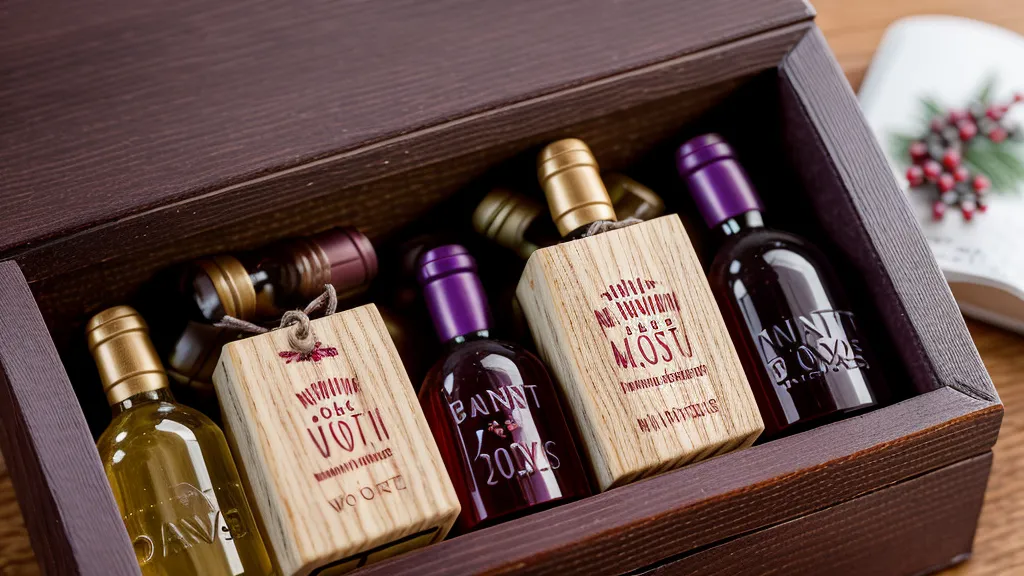
If you're looking to practice this without wasting a full bottle, I’ve found the In Good Taste Wines tasting calendar to be a solid tool. They send these 187ml mini-bottles that are about a glass each. Earlier this spring, I started pouring one into a glass and another into a small jar an hour before I drank them. Tasting them side-by-side is the quickest way to realize you aren't crazy—the air really does change the flavor profile from 'bitter purple' to something you’d actually pay steakhouse prices for.
Practicality Over Theater: The Louisville Kitchen Method
If you look up a decanter online, you’ll see these massive glass contraptions that look like they belong in a modern art museum. They’re beautiful, sure, but they’re a nightmare if you live in a house where the kitchen pass-through is the main hub of activity. In our place, a wide-bottomed glass swan is just a spill waiting to happen when the neighbors start gesturing with their hands.
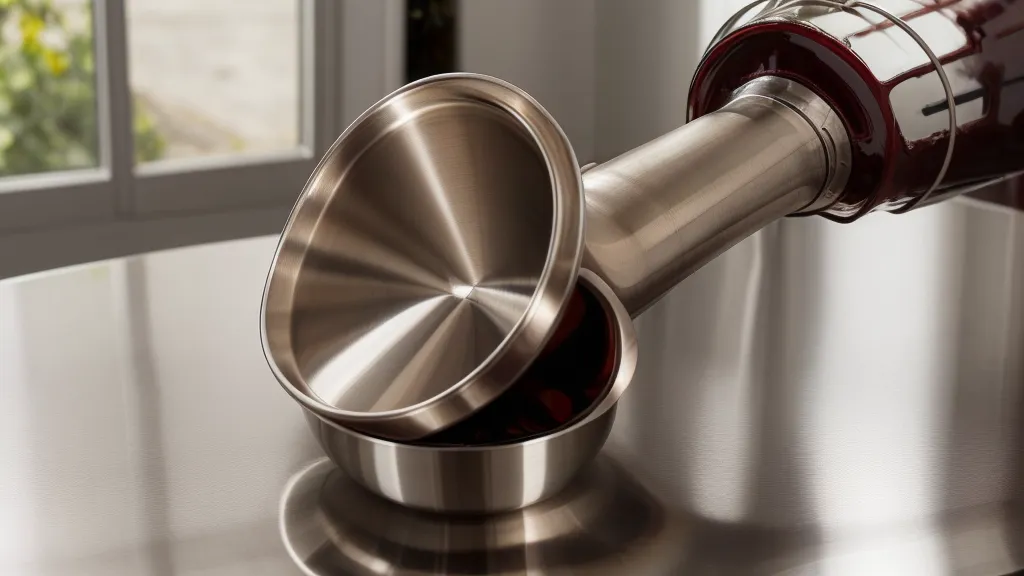
You don't need the theater. A clean glass pitcher or even a wide-mouthed mason jar works just fine. The goal is surface area, not style points. If you’re worried about how it looks, here is the PM’s trick for efficiency: decant the wine in a pitcher an hour before the guests arrive, then use a funnel to pour it back into the original bottle. You get the benefit of the aeration, but you keep the bottle on the table so everyone can see what they’re drinking. I’ve integrated this into my practical ideas for how to organize a home bar for beginners because it saves space and keeps the 'mess' in the kitchen.
The 'Tank of Gas' Bottle Test
Back in early April, I picked up a bottle of something special from Bourbon Concierge. Most people go there for the allocated bourbon, but they’ve got a wine selection that’ll surprise you if you ask. This bottle cost me about a tank of gas—noticeable money, but not 'fight with my wife' money. I decanted it two hours before my neighbor knocked on the door.
By the time we sat down, the wine was open and inviting. It’s a completely different hosting experience. When the wine is 'closed,' guests take one sip and the glass sits full for forty minutes. When it’s decanted, people actually finish their glasses. It makes the whole evening feel more relaxed. We ended up talking about comparing bourbon and red wine pairings for a backyard steak dinner while we watched the sun go down over the neighbor's fence. That bottle was empty by the time the fireflies came out, which is the only review that matters to me.
Final Thoughts from the Shelf
Decanting isn't about being a snob; it's about being a good host. It’s the cheapest upgrade you can give to a bottle of wine because it costs exactly zero dollars. Whether you’re pouring a rare allocation or something from a coworker's gift basket, give it some air. Your guests will feel more welcome, and you won't feel like you wasted your money on a bottle that tastes like a wool sweater.
If you're still more comfortable with the brown water, you can always check my report on the best bourbon gift sets for men who already have everything to see what's worth the shelf space this year. But next time you’ve got a red wine on the menu, give it an hour in a pitcher. It’s worth the wait, I promise.