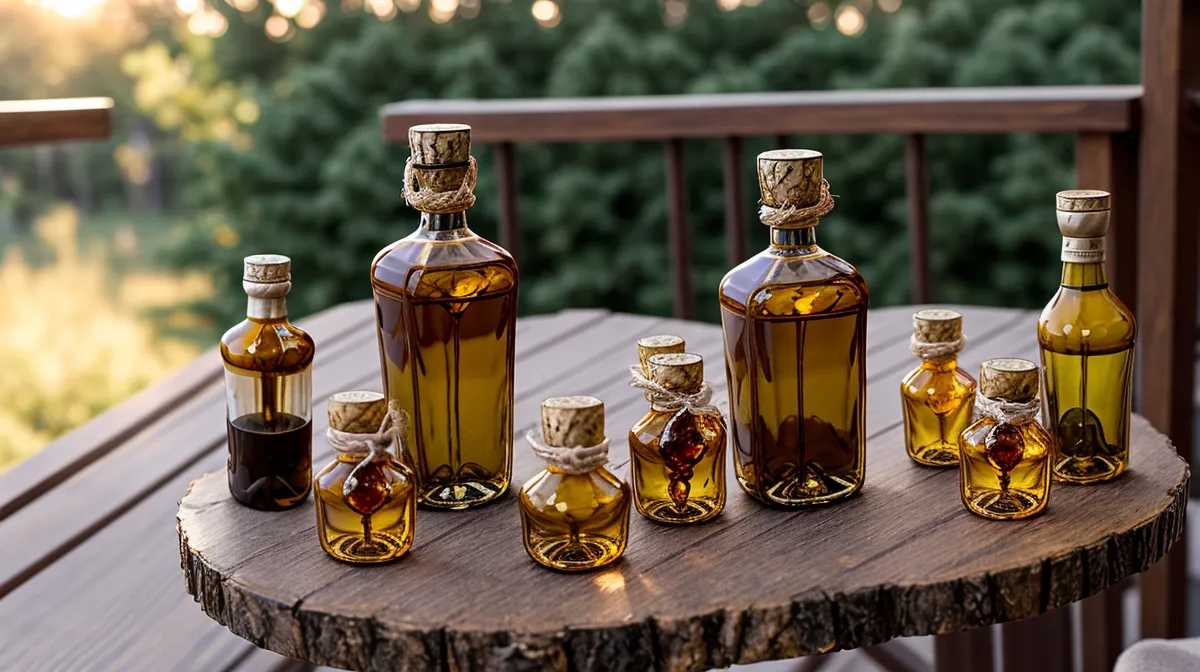
On a sweltering late afternoon in May during Memorial Day weekend, smoke was rolling thick off the charcoal kettle and the eighty-degree Kentucky humidity was already clinging to the deck railings. Our neighbors had drifted over, crowding around the patio cooler looking for something cold and crisp that would not knock them flat before the pork loin even hit the picnic table.
Before we go any further, a quick heads up: I earn a commission if you click through and buy from some of the wine clubs, bottle shops, or beverage brands mentioned here, but it comes at no extra cost to you. Everything mentioned below is stuff I bought with my own household budget, brought out to the back patio, and tested on actual thirsty people during our Tuesday night gatherings and weekend cookouts. If a pour went down the drain, I will tell you straight. I have zero medical training and I am certainly not a doctor or dietitian, so if you are navigating specific health limits or medication conflicts, talk to a qualified doctor or healthcare professional rather than taking beverage advice from a guy who moves freight for a living. Also, wine and spirit shipping laws are notoriously quirky, so verify your own state's delivery rules at checkout.
The Cookout Cooler Dilemma and the Warm Bottle Trap
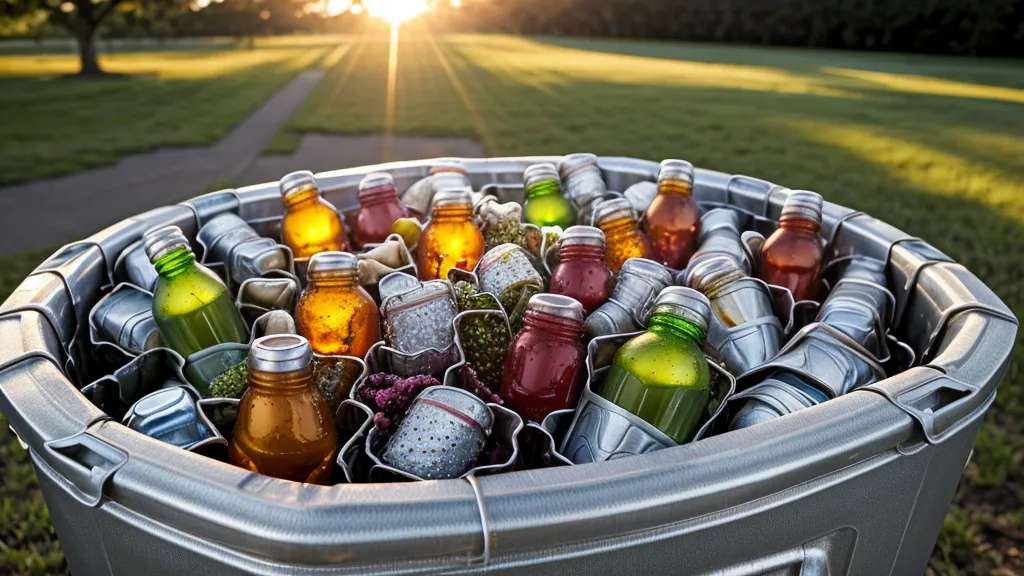
For years, my summer entertaining playbook was simple: a case of light lager in the deep cooler and a mid-shelf wheated bourbon sitting on the counter inside. But over the last year or two, the dynamic around our table noticeably shifted. A couple of my wife's book club regulars started passing on traditional pours, and one of my long-time Tuesday tasting buddies got serious about dialing back his intake. Suddenly, having a tub full of high-gravity drinks felt a little thoughtless.
The problem is that finding a decent non-alcoholic wine for an outdoor dinner is surprisingly tricky. Under federal regulations, dealcoholized or non-alcoholic wine has to sit below 0.5% alcohol by volume. Most of the grocery store bottles I grabbed early on tasted like pasteurized, oxidized white grape juice the moment the glass started sweating. Even worse, if you uncap a standard 750 ml bottle on a warm deck, the clock starts ticking immediately. By the time someone walks back for a second pour twenty minutes later, the ambient heat has turned the wine lukewarm, flat, and unpleasantly cloying.
If you have ever hosted dinner guests who are pacing themselves, you might have read my notes on the Best Non Alcoholic Wine for Dinner Parties When You Are Not Drinking. But a sit-down dining room with central air is a completely different animal than a breezy, humid back porch with paper plates and grilled chicken thighs.
Testing Formats: Why the Mini Split Won the Deck
After about six weeks of patio cookouts stretching through June and into early July, I realized that footer-f146ee size mattered just as much as what was inside it. That was when I started breaking out the smaller single-serve formats from In Good Taste Wines.
I had originally grabbed their discovery tasting box—the kind built around twenty-four mini bottles that people often buy around the holidays—to poke around different wine regions without committing to heavy cases. But dragging those little bottles out to the patio cooler changed my entire perspective on outdoor serving. Each of those mini bottles is a standard wine split holding 187 ml, which is precisely one-fourth the liquid volume of a standard 750 ml bottle.
Plunged into crushed ice next to the sodas, a 187 ml glass bottle stays ice-cold right up until the second you twist the cap. When a guest pours it into their cup, they drink the entire serving while it is still crisp and refreshing. Nobody is left nursing four ounces of warm, oxidized liquid at the bottom of a heavy tumbler. It solved the outdoor temperature problem entirely.
The Mouthfeel Tradeoff: Alcohol-Removed vs. Dealcoholized

Spending a few months tasting through these bottles led me to a practical realization that most glossy wine magazines gloss over entirely. There is a measurable tradeoff between different styles of low-proof production: alcohol-removed wines offer lower caloric density than heavier dealcoholized-process wines, but they sacrifice more complex mouthfeel during the finish.
When winemakers strip out the ethanol completely using aggressive vacuum distillation, they take away the natural viscosity that gives a classic California Chardonnay or an Australian Semillon its weight on your tongue. To compensate, some producers dump in unfermented grape concentrate, which spikes the sugar and leaves you feeling sticky in the summer heat. The cleaner, lighter, alcohol-removed whites skip that sugar bomb. Yes, you lose that lingering, velvety coating on the finish, but when the thermometer is hovering in the mid-eighties and you are eating sweet corn straight off the cob, a razor-thin, bone-dry, highly acidic finish is actually what you want. It cuts clean across char and salt without weighing you down.
I learned this lesson the hard way one muggy Tuesday evening in July. I opened a full-sized bottle of a gift-basket white wine a coworker had sent us through Wine Country Gift Baskets the previous winter. It was a perfectly respectable, crowd-pleasing traditional white with decent fruit, but after two glasses sat out under the ceiling fan, it got heavy and syrupy. Half of it ended up down the sink. That contrast made the brisk, clean profile of the chilled 187 ml splits stand out even more.
Balancing the Cooler for Every Guest
A good cookout host does not force everyone into the same glass. When we set up the deck now, the cooler has distinct zones. For the neighbors who miss the bitter snap of a cold craft beer, I keep cans from Sober Carpenter tucked right into the ice. Their lineup—especially their crisp White Wheat and their non-alcoholic IPA—gives my buddy who stopped drinking ethanol an honest-to-goodness craft pour that holds its head in a glass and does not taste like watered-down wort. If you are trying to help skeptical friends transition between styles, you might find my breakdown of The Bridge Flight: My System for Introducing Bourbon Drinkers to Big Reds and Better NA Options helpful.
Meanwhile, for the folks who still wander over to my kitchen pass-through shelf looking for something rare and allocated from Kentucky, I still keep a couple of top-tier bottles on hand that I sourced through the Bourbon Concierge. It gives the traditional whiskey crowd their milestone pour while letting everyone else graze comfortably at the cooler without feeling sidelined.
And for special neighborhood milestones—like when our street threw a block party for a neighbor's retirement—we even set out a custom-etched commemorative bottle from Mano's Wine as a centerpiece. The etching was gorgeous, though as I always tell people, custom-label bottles are really about the keepsake moment rather than hunting for rare vineyard terroir.
What the Recycling Bin Looked Like by August
Late August arrived right before school started, bringing that distinct late-summer stillness where the cicadas drown out the neighborhood lawnmowers. We hosted one final big patio dinner: dry-rubbed ribs, grilled sweet corn, and a big pan of skillet cornbread.
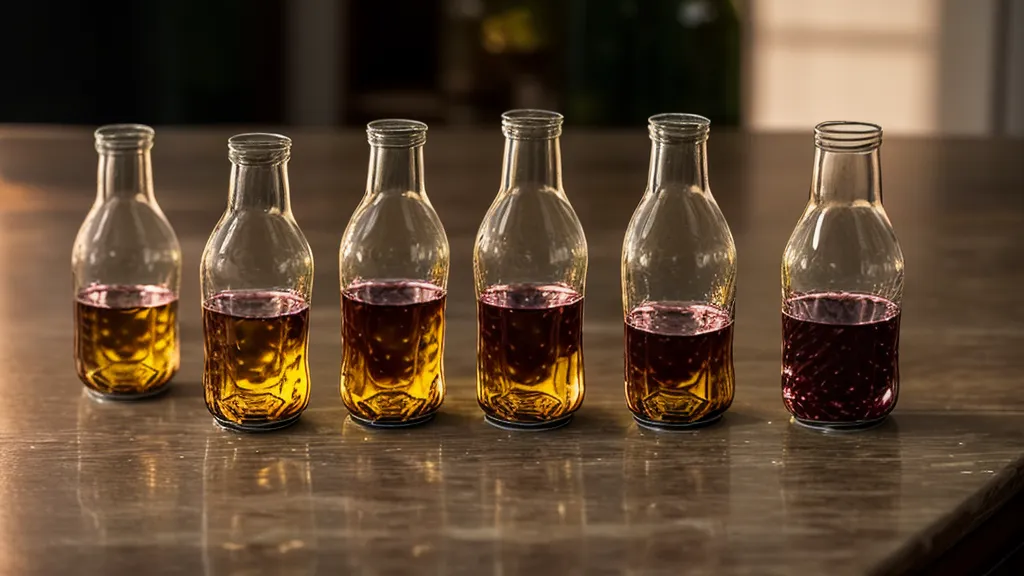
The next morning, when I hauled the blue recycling bin down our long driveway to the curb, the evidence was clear. There was not a single half-empty 750 ml bottle souring on the picnic table. Instead, the bin was full of empty 187 ml splits from In Good Taste Wines and crushed aluminum cans from Sober Carpenter. Our friends had tried three or four different crisp white styles over the course of the evening, pairing a grassy Sauvignon Blanc note against the chicken and a rounder, mineral pour against the corn, without anyone feeling sluggish or overserved.
If you are planning to host outdoors while the weather is still warm, stop wrestling with giant bottles that turn warm in twenty minutes. Check the current availability and pricing on the In Good Taste Wines discovery sets, ice them down deep in the tub, and give your cookout guests a pour that stays crisp from the first sip to the last.
| Product | Rating | |
|---|---|---|
| In Good Taste Wines Top Patio Pick | 9.1 | Read More → |
| Sober Carpenter | 8.6 | Read More → |
| Bourbon Concierge | 8.4 | Read More → |
| Wine Country Gift Baskets | 7.9 | Read More → |
| Mano's Wine | 7.6 | Read More → |
In Good Taste Wines
Pros
- + Single-serve 187 ml splits stay ice-cold in the patio cooler without going warm or flat
- + Box format lets guests sample different global regions without opening full bottles
- + Dry, crisp acidity that cuts right through rich barbecue and grilled sweet corn
Cons
- − Per-ounce cost is higher than buying standard bulk grocery bottles
- − Seasonal box rotations mean favorite varietals can shift between shipments